Colour family · 4 subtypes
Winter Color Season: 4 Subtypes, Palettes & Guide
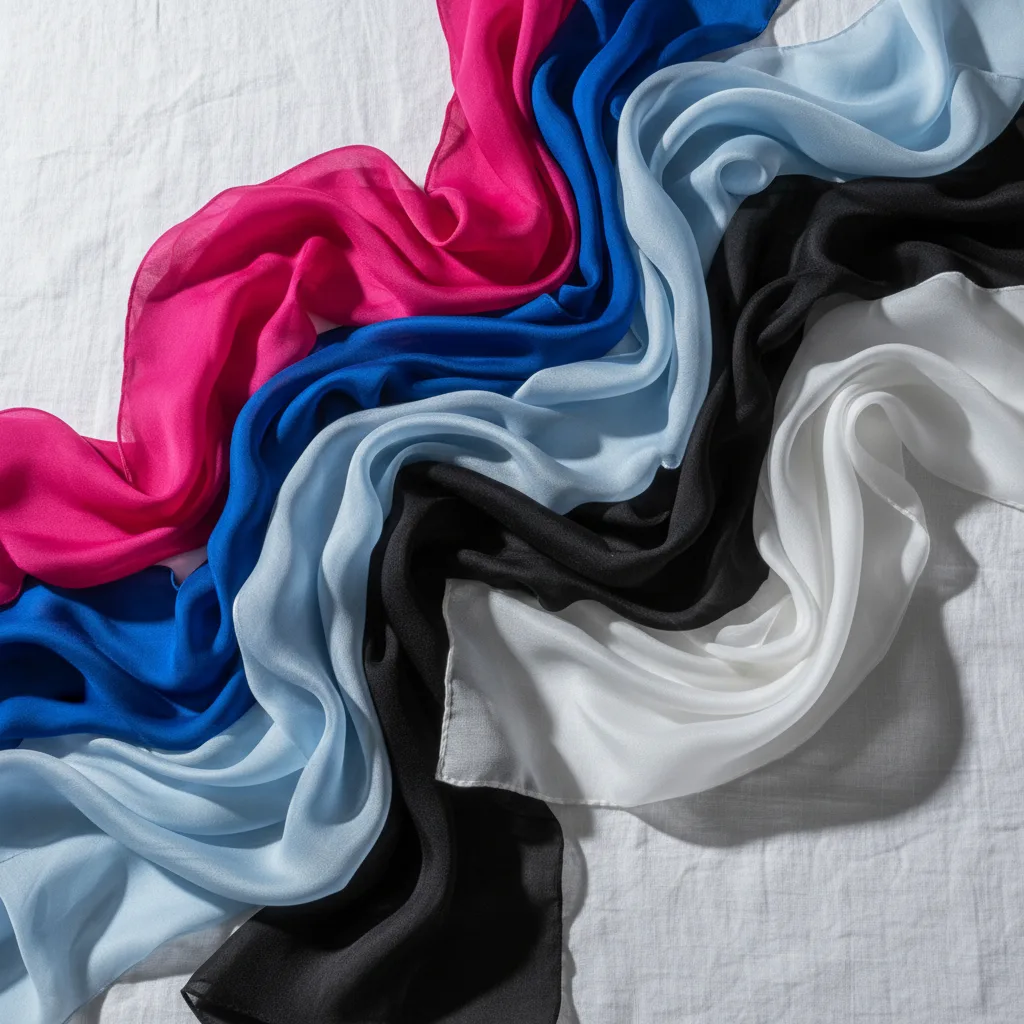
Winter is a cool-toned seasonal family defined by high contrast, striking clarity, and bold, vivid colors. Its palette is crisp and graphic—spanning pure white, deep black, bright fuchsia, royal sapphire, and icy pastels.

What All Winter Color Types Have in Common
Winter is defined by cool undertones paired with vivid intensity. Your overall look is high-contrast and graphic: your hair, skin, and eyes stand out distinctly from one another with crisp definition. This contrast allows Winters to wear colors that overwhelm other seasons—such as jet black, pure stark white, vivid fuchsia, and electric cobalt. It also explains why dusty, muted tones look dull on Winters, often making the complexion appear washed-out and flat.
While the four subtypes vary in their color depth and level of brightness, all Winters share three foundational traits.
Skin
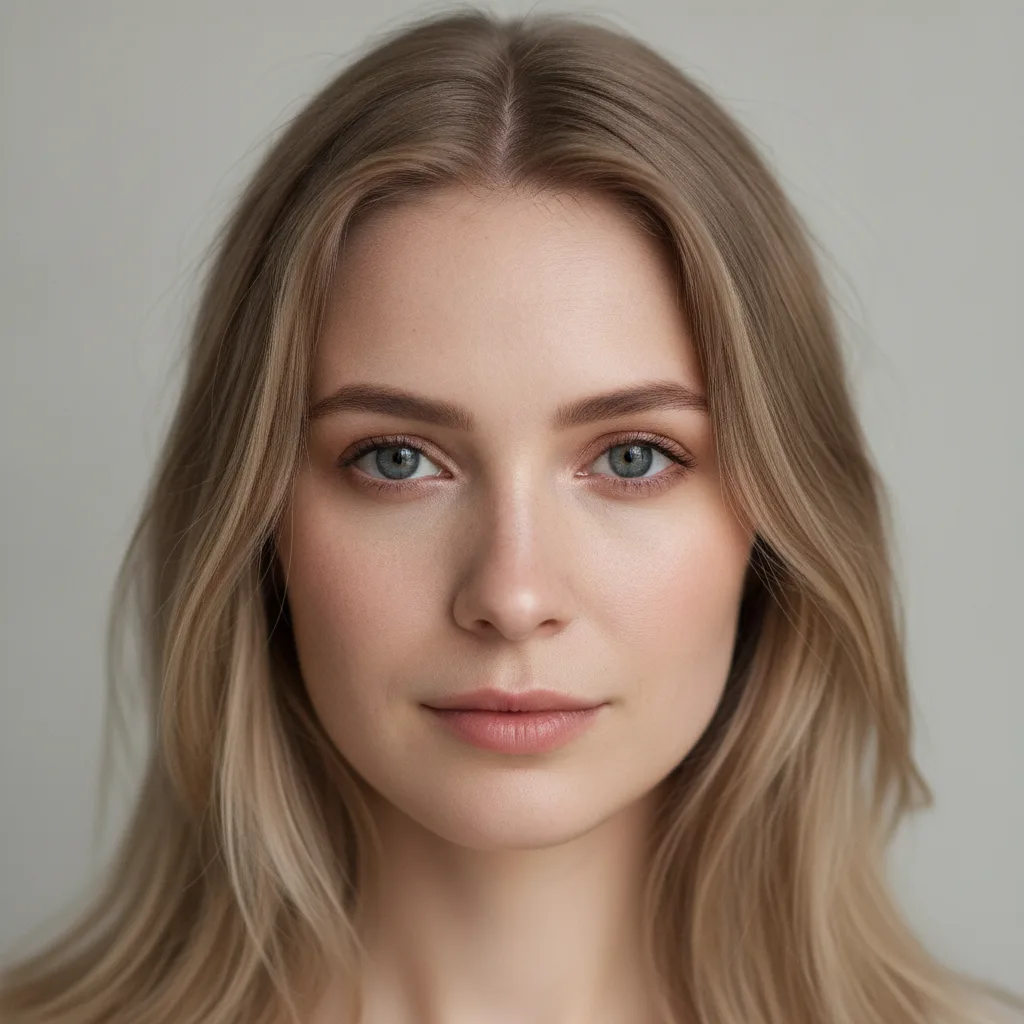
Cool or neutral-cool undertones: porcelain, cool beige, neutral-to-cool olive, or deep espresso with a blue-cool sheen. The skin often looks remarkably clear, translucent, and fresh, without prominent golden or peachy warmth.
Eyes
Bright, clear, and sharply defined: cool dark brown, near-black, piercing icy blue, steel grey, or vivid emerald green. The outer ring of the iris (the limbal ring) is typically crisp and distinct, creating a sharp contrast against the white of the eye.
Hair
Rich and cool-toned: jet black, dark ash brown without red undertones, or deep cool brunette. Less commonly, very pale platinum or cool ash blonde paired with naturally dark brows and lashes, creating that signature high contrast.
The Jewelry and Contrast Test
Silver, platinum, and white gold look naturally radiant on you, while yellow gold can clash with your cool undertones. An even clearer test: snap a photo in natural daylight and turn it black-and-white. If your hair, skin, and eyes separate into distinctly different shades of black, white, and deep grey, you are likely a Winter. If everything blends into a similar medium-grey value, look into Summer or Autumn.
Find your seasonal color type with photo analysis →
The Four Winter Subtypes
What sets the four subtypes apart is their dominant secondary characteristic: brightness, sheer coolness, or depth.
- Bright Winter — Defined primarily by high chroma and clarity, with coolness as a secondary trait. Highly saturated, electric palette on the border of Spring.
- Cool Winter — Defined by absolute coolness first, with clarity second. Pure, icy tones and medium-to-dark cool depth.
- Deep Winter — Defined by rich depth first, with cool undertones second. Saturated, dark jewel tones on the border of Autumn.
- True Winter — The classic benchmark: uncompromising cool undertones paired with deep, graphic contrast. Home to pure primary red, cobalt, and stark white.
| Feature | Bright Winter | Cool Winter | Deep Winter | True Winter |
|---|---|---|---|---|
| Dominant trait | Clarity / Chroma | Cool undertone | Depth | Cool undertone |
| Depth | Medium | Deep | Very Deep | Deep |
| Saturation | Maximum | High | Medium-High | High |
| Contrast level | High | High | High | High |
| Test color | Electric blue | Icy pink | Midnight navy / Ink | True crimson |
| Sister season | Bright Spring | Cool Summer | Deep Autumn | True Summer |
How to Identify Your Winter Subtype
Bright Winter vs. True Winter
The drape test: Electric blue versus classic crimson. If neon accents, hot fuchsia, and electric cobalt make your face pop with energy, you are a Bright Winter. If those feel slightly loud or distracting, but classic primary red looks tailored and regal, you are a True Winter.
Cool Winter vs. True Winter
The distinction is subtle. The drape test: Icy pastel pink versus royal sapphire. Cool Winter excels in frosted, frosty-cool pastels with a luminous quality; True Winter looks best in those same hues at full, saturated strength without being diluted by white.
True Winter vs. Deep Winter
The drape test: True primary red versus deep burgundy and blackish-plum. If rich, shadowy, ink-like shades make your features striking, you are a Deep Winter. If they feel a bit heavy and you need brighter, clearer primary tones to look awake, you are a True Winter.
Winter vs. Neighboring Color Families
Winter vs. Summer: Intensity and Contrast
Both families are cool-toned. The drape test: Saturated magenta versus soft dusty rose. If magenta sharpens your features while dusty rose makes you look washed out, you are a Winter. If magenta overpowers you and soft rose gives you a healthy, gentle glow, you belong to Summer.
Winter vs. Autumn: Coolness vs. Warmth
The most common overlap is between Deep Winter and Deep Autumn, as both possess striking depth. The drape test: Pure black versus rich dark chocolate brown. If crisp black looks effortless, you are a Winter; if black washes you out and warm dark chocolate brings your complexion to life, you are an Autumn.
Winter vs. Spring: Temperature Differences
This comparison comes up between Bright Winter and Bright Spring, which share ultra-high saturation. The drape test: Vibrant magenta versus warm poppy coral. If coral brings out a sallow or yellow cast and magenta looks harmonious, you lean cool (Winter).
Core Winter Color Palette
Universal Colors That Flatter Every Winter
- Pure Stark White — Winter is the only season that can effortlessly wear true, crisp optical white.
- True Black — A foundational neutral that enhances contrast rather than overpowering you.
- Sapphire and Royal Cobalt — Foolproof, universally flattering accent shades.
- Fuchsia and Magenta — High-impact, cool-toned pinks that make your features instantly stand out.
- Emerald Green — A deep, cool green grounded in blue undertones.
- True Red with Blue Undertones — The quintessential statement red that flatters cool skin.
Colors to Avoid
- Muted, dusty, and pastel shades — Earthy and heathered tones make Winter skin look tired and grey.
- Orange, rust, and mustard — Warm, muddy tones that directly clash with cool complexions.
- Beige and camel — These shades blend into the skin and erase your natural contrast.
- Ivory and cream — Tend to look yellowed or dingy against cool Winter skin; stick to pure white.
- Yellow gold jewelry near the face — Conflicts with the cool undertones in your skin and eyes.
Makeup, Hair Color, and Jewelry
Winter features thrive with defined, graphic makeup. Soft, barely-there washes of color can look incomplete against high-contrast natural coloring.
- Complexion: Cool or neutral-cool foundation with a satin or natural-matte finish, free from bronzy or warm shimmer.
- Lips: True blue-red, vivid fuchsia, deep berry, blackberry, or cool plum. Skip warm peachy nudes and terracotta.
- Cheeks: Cool raspberry, clear soft pink, or deep plum applied lightly for a fresh flush.
- Eyes: Charcoal, deep navy, icy silver, and plum. Crisp black eyeliner and mascara look stunning on Winters.
- Hair: Rich espresso, blue-black, cool dark brunette, or icy ash. Avoid copper, caramel, and honey balayage, which create visual conflict with cool undertones.
- Jewelry: Silver, white gold, platinum, and polished finishes. Gemstones like diamonds, sapphires, emeralds, and black onyx look exceptional.
Building a Winter Wardrobe: Where to Start
- Anchor your wardrobe with core neutrals: true black, stark white, charcoal grey, and deep midnight navy.
- Invest in statement tops in high-impact shades like royal blue, fuchsia, and true red.
- Embrace high-contrast styling: crisp black-and-white colorblocking, deep navy paired with icy blue, or bold jewel tones with dark neutrals.
- Choose clean, lustrous textures: silk satin, crisp poplin cotton, smooth leather, and fine-gauge cashmere.
- Opt for graphic prints: sharp stripes, houndstooth, bold geometric patterns, and classic monochrome motifs.
Frequently Asked Questions
Can all Winters really wear pure black?
Yes. Winter is the one color season that can wear solid black near the face without looking washed out. Its depth matches your natural contrast. If you are a Deep Winter, pairing black with a rich jewel-tone accent will add extra dimension.
Can you be a Winter with blonde hair?
Yes, though it is less common. A Winter can have platinum, cool ash blonde, or silver hair as long as their eyes, brows, and lashes maintain a sharp, graphic contrast against the skin.
How do I tell if I'm a Winter or a Summer?
Test your tolerance for saturation. Drape a bright, saturated fuchsia against a soft dusty rose. If fuchsia sharpens your features and dusty rose looks dull, you are a Winter. If fuchsia overwhelms you while soft rose creates harmony, you are a Summer.
What if bold lipstick feels unnatural on me?
Check the undertone rather than just the brightness. A warm, brick-red lipstick will look muddy and unnatural on a Winter, while a cool berry or cherry red of equal intensity will harmonize with your natural coloring.
What should I do if I am torn between two subtypes?
Look closely at your worst colors. Discovering which shades fail completely will narrow down your subtype faster than choosing between colors you like. For an exact match within the 16-season system, try our photo color analysis.
Try the colours on yourself
Every tool runs on a single photo and follows your palette.