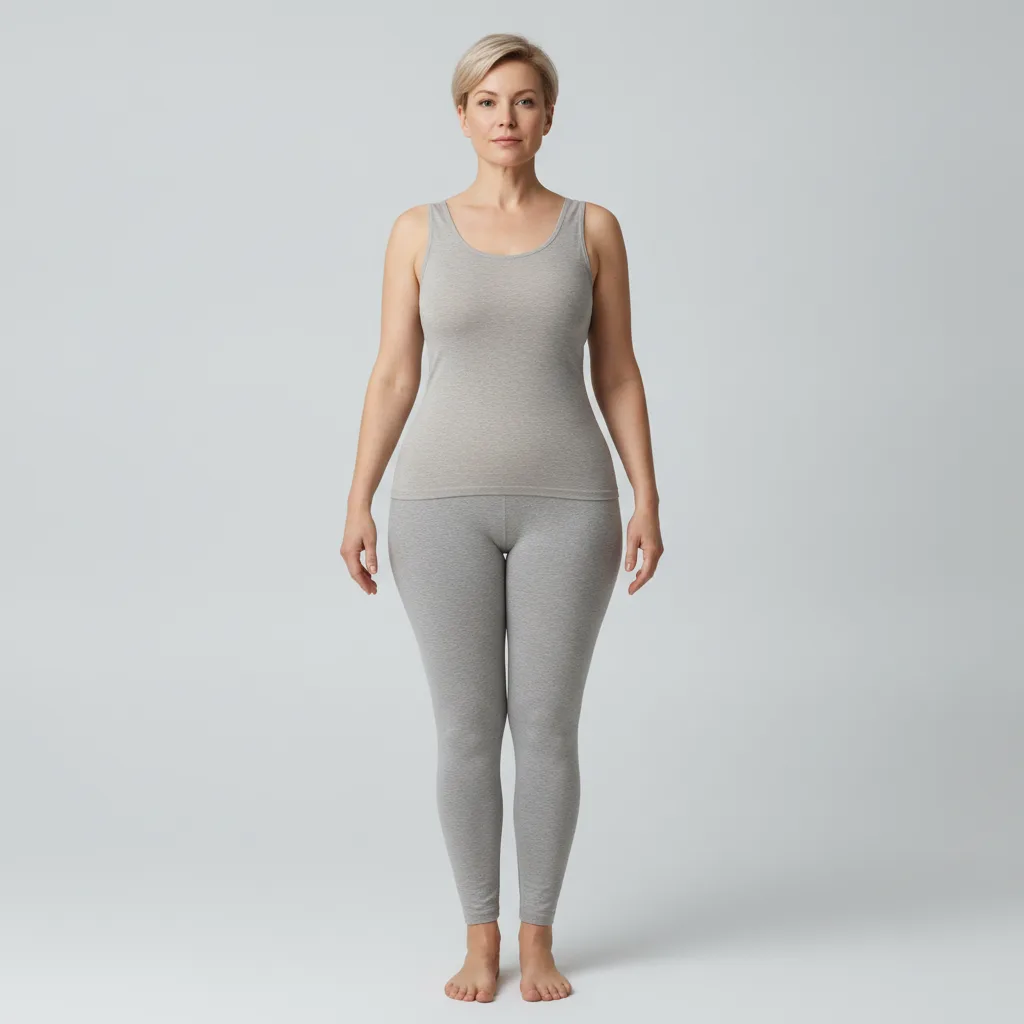
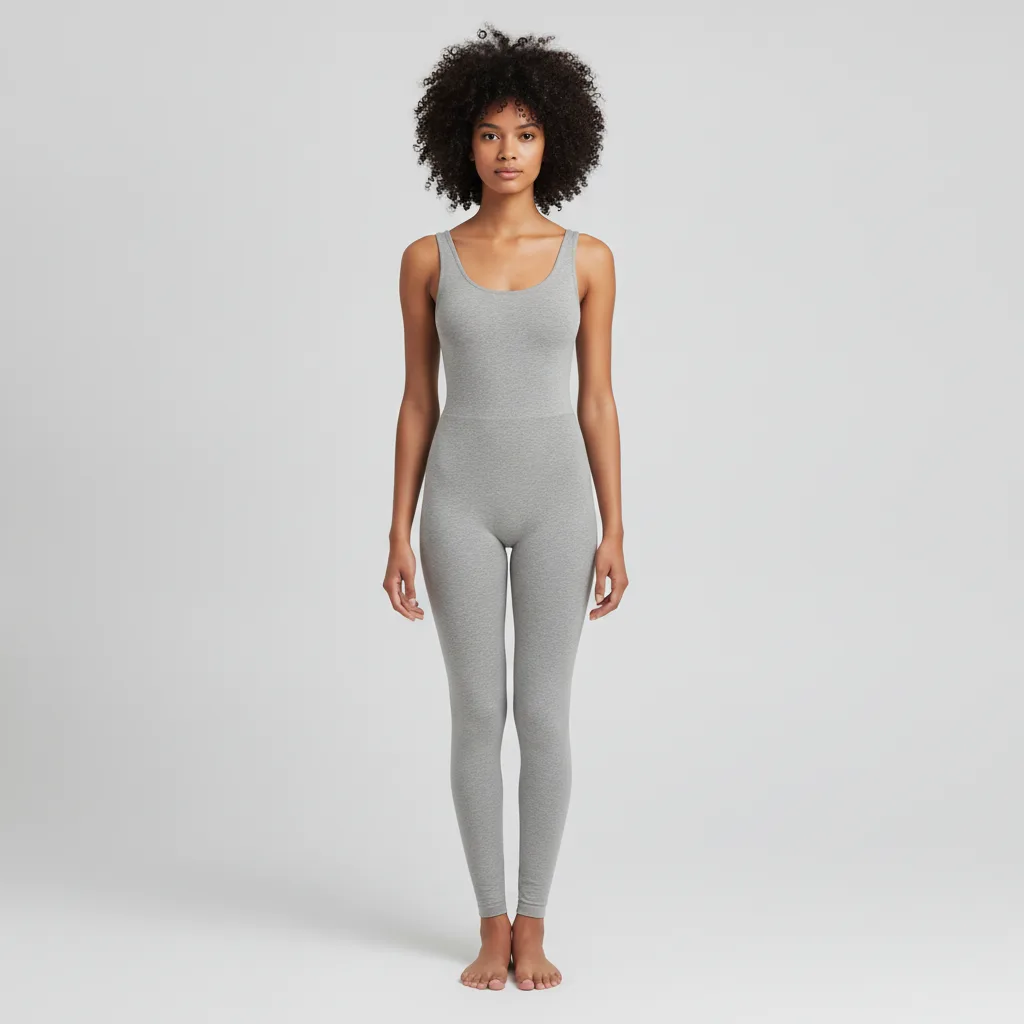
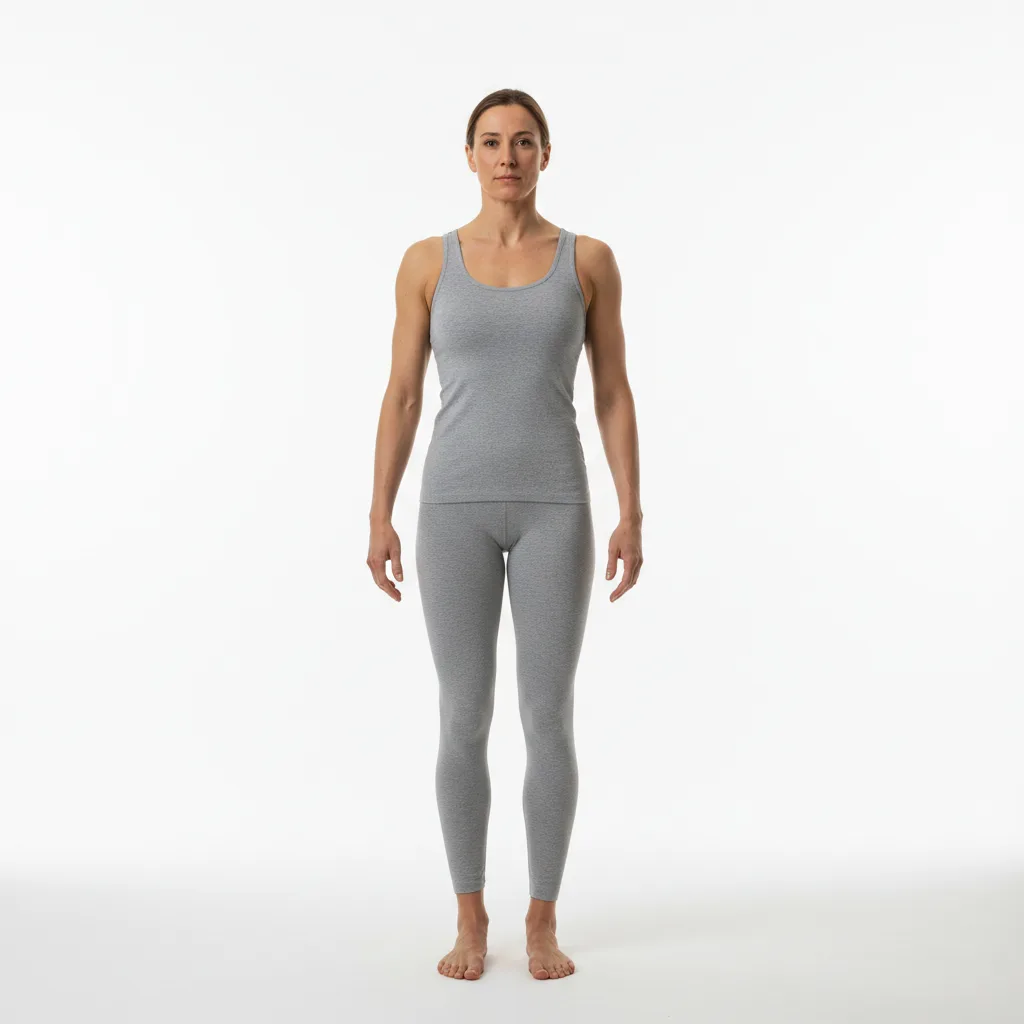
Body shape · shoulders and hips match, waist defined
Hourglass Body Shape: The Complete Style Guide
With balanced shoulders and hips and a dramatically defined waist, the hourglass is frequently called the textbook silhouette—which often leads to unhelpful advice like "you can wear anything." In reality, not everything flatters your frame. Here is what truly works: how to identify your proportions, which cuts highlight your shape, and why shapeless oversized pieces work against you.
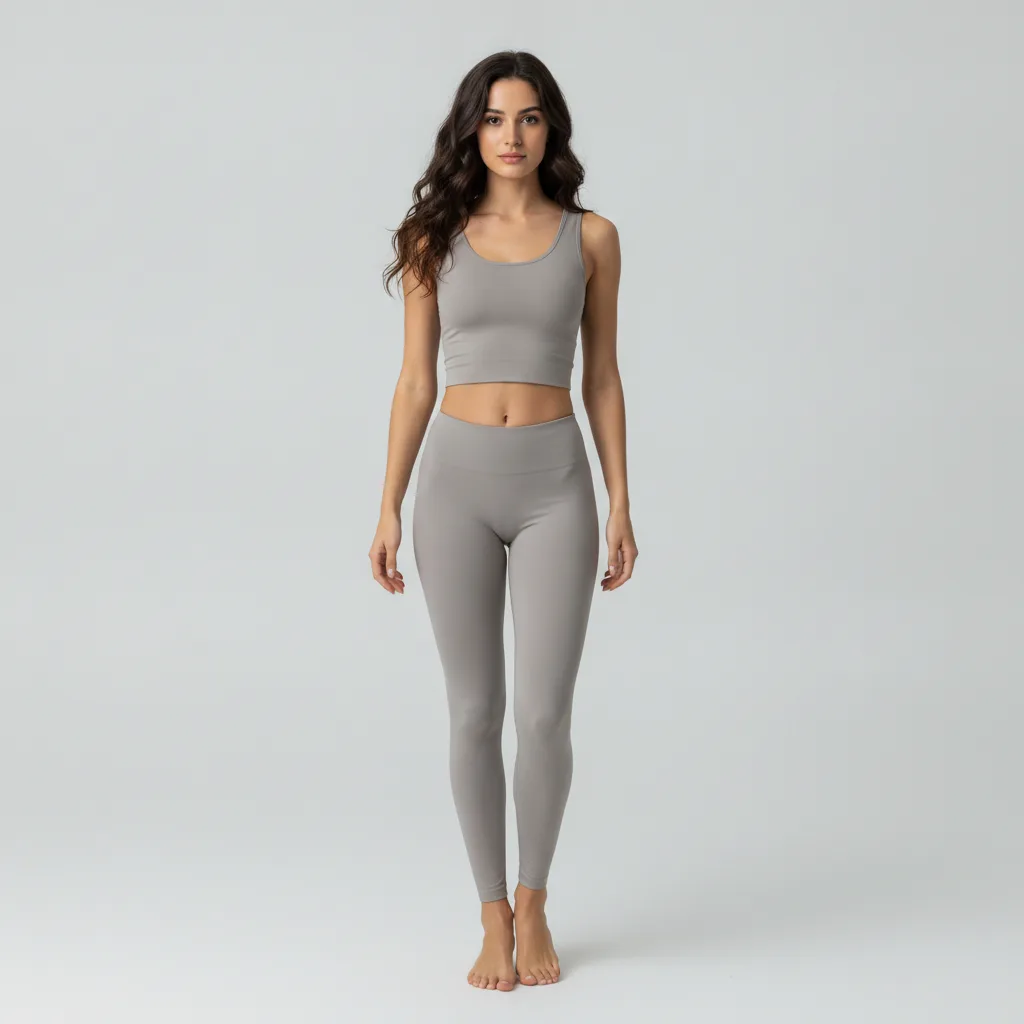
How to Know if You Have an Hourglass Shape
Body shape isn't determined by weight or dress size; it is defined by the proportional relationship between three key measurements: shoulders, waist, and hips. An hourglass silhouette relies on two non-negotiable criteria: shoulders and hips are roughly equal in width, and the waist is significantly narrower than both. If only the first condition is met, you have a rectangle shape. If only the second is met, you are likely a pear or an inverted triangle.
To check your proportions, stand straight in front of a mirror wearing fitted clothing or undergarments.
Shoulders and Hips
Measure your shoulders across their widest point—typically across the deltoid muscles rather than the bone tips—and measure your hips around the fullest point of your seat. For an hourglass, these two measurements differ by no more than 5%: for 100 cm (40 in) hips, shoulders will measure between 95 and 105 cm (38–42 in). A 3 cm difference easily qualifies as an hourglass; a 10 cm difference points to a different shape.
The Waist
Measure your waist at its narrowest point, not across your belly button or where your jeans rest. For an hourglass, the waist is at least 20% smaller than the hips: with 100 cm hips, the waist measures 80 cm or less (e.g., a 30 in waist with 38 in hips). This 20% drop creates the distinct inward curve that causes straight-cut garments to gap at the waist while pulling tightly across the hips.
The Decisive Fitting-Room Check
Turn sideways in front of the mirror: your silhouette should curve gently inward at the waist and flare back outward over the hips in smooth, continuous arcs rather than a straight drop. The second real-world indicator: clothes that fit your hips are consistently too loose at the waist. Pencil skirts gap at the waistband, and sheath dresses need alterations through the torso. This is the clearest sign of an hourglass shape—one you will notice in fitting rooms long before pulling out a tape measure.
Proportions
Each bar is measured against the widest point of the silhouette: these are typical proportions for the shape, not your measurements.
| Measurement | What to Check | Hourglass |
|---|---|---|
| Shoulders vs. Hips | Width difference | Within 5% |
| Waist vs. Hips | Narrowness | At least 20% smaller |
| Profile Contour | Line shape | Curves in, then flares out |
| Fitting Room Test | Fit of straight cuts | Fits hips, gaps at waist |
Find your body shape with our photo calculator →
What Works for Your Silhouette
The core styling principle for an hourglass is refreshingly simple: you don't need to create balance—it's already there. Your proportions are naturally harmonious, so any attempt to "add volume up top" or "balance wide hips" tends to disrupt what already works. Your primary styling objective is simply to keep your waistline visible.
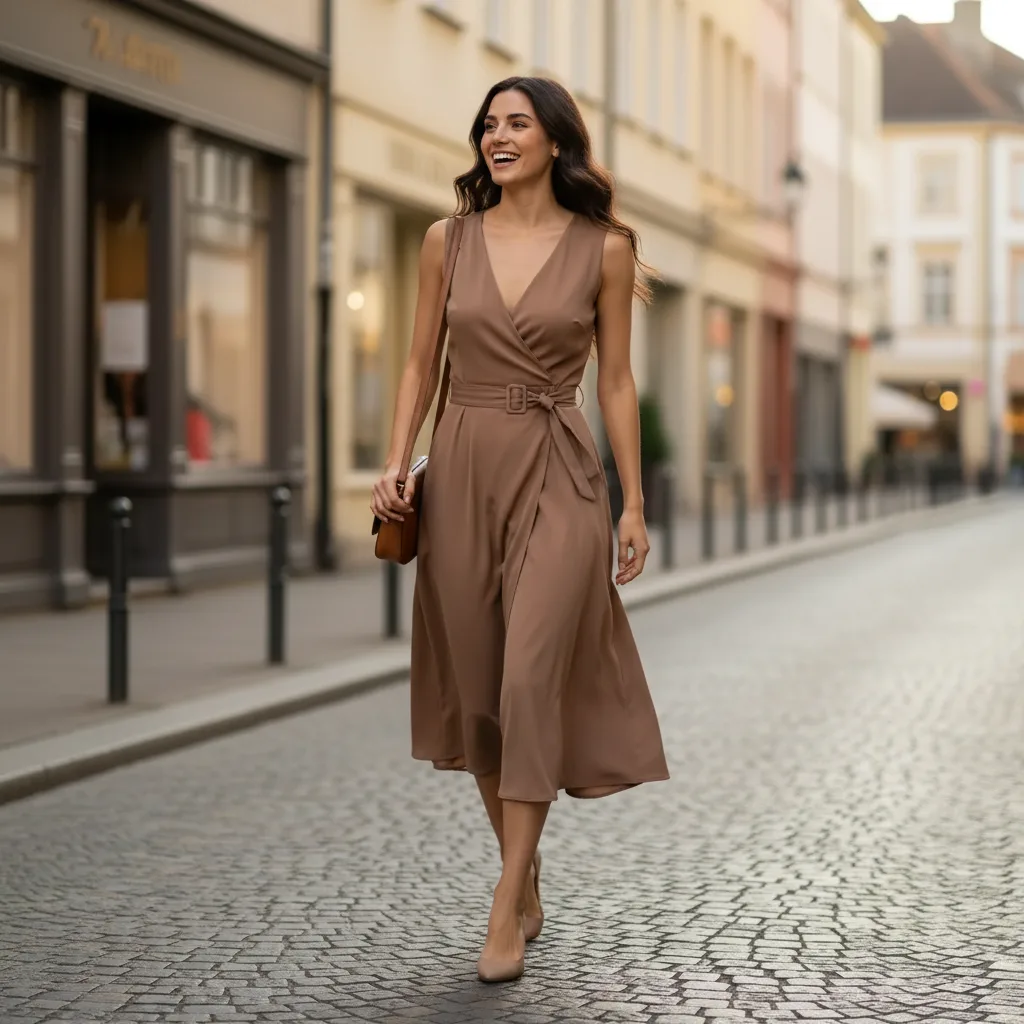
This leads to an easy rule when shopping: garments should follow the waist. They don't have to be skin-tight—they just need to indicate where your waist sits. Belts, darts, tailored seams, wrap styles, and elasticated waistbands all instantly accentuate your natural frame.
What to Avoid
Only two styling choices consistently work against an hourglass figure: a complete absence of waist definition, and excess volume in areas where your frame is already wide.
A quick note on oversized clothing: it isn't forbidden, but it requires intentional pairing. Combine a loose top with a fitted bottom, or vice versa. Wearing oversized pieces top and bottom at the same time turns an hourglass into a boxy rectangle, obscuring both curves at once.
Hourglass vs. Adjacent Body Shapes
Most mistyped silhouettes occur when an hourglass is mistaken for a pear, or a rectangle is mistaken for an hourglass. Here is how to tell them apart.
Hourglass vs. Pear: It’s About the Shoulders
Look at your upper body rather than your waist. If your hips are more than 5% wider than your shoulders, you have a pear shape, even with a remarkably defined waist. To test this: put on a simple sleeveless top and check a straight-on photo. An hourglass features shoulders and hips that vertically align, whereas a pear silhouette widens downward in a noticeable trapezoid.
Hourglass vs. Rectangle: The Waist Ratio
This confusion goes both ways. If your waist is less than 20% narrower than your hips, you have a rectangle shape, even if you look slender in skinny jeans. Slenderness and curvature are distinct: a rectangle can be very lean while maintaining a straight, vertical line from shoulder to hip.
Hourglass vs. Inverted Triangle: Bust vs. Shoulders
A fuller bust combined with narrower hips is often misread as an hourglass because the waist appears small in contrast. Always measure across the shoulders rather than the fullest point of the bust: if your shoulder line is wider than your hips, you have an inverted triangle shape, which benefits from lower-body volume that an hourglass does not need.
| Feature | Hourglass | Pear | Rectangle |
|---|---|---|---|
| Shoulders & Hips | Roughly equal | Hips are wider | Roughly equal |
| Waistline | 20%+ narrower | 20%+ narrower | Less than 20% narrower |
| Styling Goal | Highlight the waist | Broaden shoulders | Create waist definition |
| Belts | Always flattering | Flattering | Best paired with volume |
Wardrobe Essentials
Dresses
Your three most reliable cuts are the sheath, the wrap dress, and the fit-and-flare. All three break at the natural waistline and trace your natural contours. Shirt dresses work just as well, provided they have a belt; unbelted, they can look boxy and shapeless.

Bottoms
High and mid-rise cuts are your best choices. A waistband that rests at your narrowest point makes legs look longer. Reach for pencil skirts, straight-leg trousers, subtle bootcut trousers, and structured denim with a defined waist. Low-rise cuts are the least flattering option: they sit across the widest part of your hips and erase waist definition entirely.
Tops
Tucked-in blouses, cropped tops that end at the waist, darted shirts, and fitted bodysuits are ideal. If you wear oversized button-downs, tuck them in at least partially or knot them at the waist. Tops that end at mid-hip are the hardest to pull off: they cut across the widest point of the body and visually split your proportions in the wrong place.
Outerwear
Belted coats are the most foolproof outerwear for preserving your silhouette in colder months. Classic trench coats, wrap coats, robe-style wool coats, and tailored shearling jackets all work effortlessly. Cocoon coats and oversized puffer jackets conceal your shape entirely; if you prefer a puffer, choose one with an interior waist drawstring.

Undergarments and Base Layers
A well-fitted bra matters more for an hourglass than for any other body shape. The bustline establishes the top anchor of your proportions; without proper lift and support, the torso appears shorter and heavier than it actually is.
Fabrics and Fit
Fabric drape is far more important for this shape than patterns. Look for materials that drape along your curves rather than creating their own rigid structure: medium-weight knits, viscose, fine wool, jersey, stretch denim, and fluid silk. They follow the line of the waist without puckering or bunching.
Stiff fabrics that hold a boxy shape—such as taffeta, crisp poplin, heavy neoprene, and stiff starched cotton—fight your natural curves by overlaying their own geometry. If you wear garments in these materials, ensure they are sharply tailored with darts rather than loose-fitting.
- Flattering: Medium-weight knits, viscose, jersey, fine wool, stretch denim, crepe de chine.
- Use with caution: Taffeta, organza, crisp poplin, bulky quilting, heavy bouclé wool.
Common Styling Mistakes
The most common mistake is buying clothing to fit the hips and assuming you'll "make it work" at the waist. Gapping at the waist is practically inevitable with off-the-rack sizing because standard size charts don't accommodate a 20% waist-to-hip drop. Build alterations into your clothing budget, especially for tailored trousers and blazers.
The second mistake is trying to hide your hips. On an hourglass, hips are essential to the balanced structure: without them, the silhouette loses its symmetry. Hiding them under loose, shapeless skirts adds bulk without structure, giving volume where you want shape.
The third is head-to-toe volume during transitional weather—think an oversized knit sweater, wide-leg trousers, and a cocoon coat. Layering three boxy pieces completely hides your waist. Simply French-tucking the sweater or cinching the coat with a belt brings your proportions right back.
Frequently Asked Questions
Does an hourglass figure mean being thin?
No. Body shapes are defined by proportional ratios, not weight or size. You can have an hourglass figure at any size; what matters is the ratio between your shoulders, waist, and hips. Gaining or losing weight typically maintains these proportions, even as absolute numbers change.
Can I wear oversized clothing?
Yes, as long as you balance it: combine a relaxed top with a fitted bottom, or vice versa. Wearing oversized silhouettes head-to-toe hides both natural curves and makes the frame read as a rectangle.
Do I always need to wear a belt?
No. A belt is simply the fastest way to define your waist, but tailored darts, wrap designs, fitted seams, and tucked-in tops achieve the exact same effect. If a garment is already cut to fit your shape, a belt isn't necessary.
What should I do if my top and bottom are different sizes?
This is completely normal for hourglass and pear shapes. Buy clothing items as separates rather than pre-matched suits: purchase the size that fits your largest measurement and tailor the rest down.
Can I wear horizontal stripes?
Yes, especially in all-over patterns. Horizontal stripes follow the curves they rest upon, and your frame is already balanced. Just be mindful of single horizontal stripes or color blocks that cut off directly across the widest point of the hips.
How do I find pants that fit without a waistband gap?
Look for "curvy fit" collections, which are specifically cut with a narrower waist-to-hip ratio, or have a tailor add darts along the back waistband. Pants with hidden elastic inserts at the back waistband offer a great off-the-rack solution.
Try it on yourself
Every tool works from a single photo.