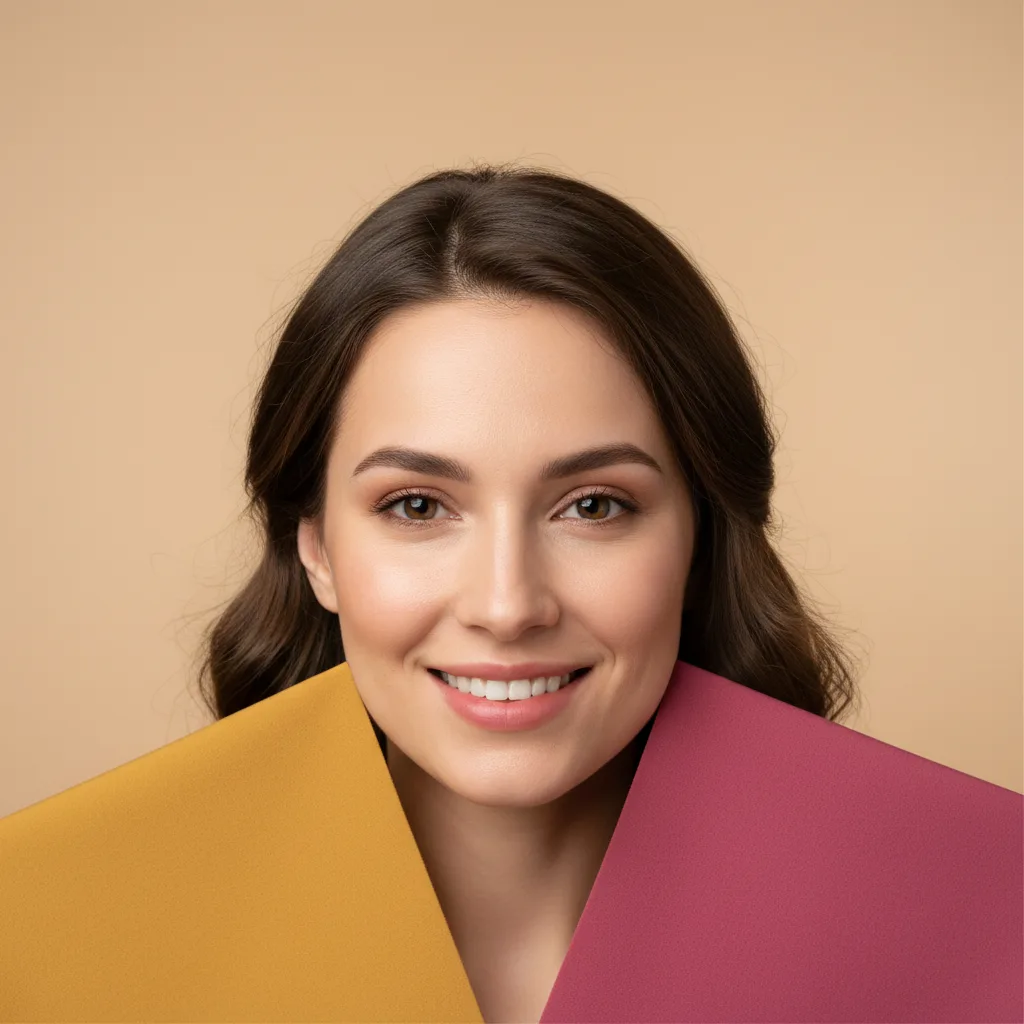
Autumn · Neutral undertone
Soft Autumn: The Complete Seasonal Color Guide
If dusty, warm tones make your features come alive while vivid colors easily overpower you, you are likely a Soft Autumn. Often mistaken for Soft Summer due to their shared muted quality, this palette blends low contrast with gentle, earthy warmth. Here is your practical guide to building a flattering wardrobe, finding the right makeup and hair colors, and distinguishing Soft Autumn from its sister seasons.

How to Tell If You Are a Soft Autumn
Soft Autumn is defined by two characteristics in exact order: first muted, then warm. Softness is your dominant trait, which is why pure, saturated warm colors like bright rust or mustard yellow look jarring compared to their dusted counterparts. Your challenge is rarely warmth itself, but rather colors with excessive clarity or brightness.
Evaluate your natural features in daylight without makeup using these three criteria.
Skin
Neutral-warm with a soft, velvety matte appearance rather than a radiant glow. Skin depth varies widely from fair to deep olive or rich tan—depth is not what defines this season. The constant is softness: neither porcelain-cool nor strikingly golden. Think warm beige, muted olive, and soft peach tones that never look overly vibrant.
Eyes
Typically soft and blended with a smoky, hazy quality: hazel-green, gray-green, warm brown with amber specks, or soft hazel. The iris rarely displays a single solid color; instead, multiple tones swirl together. Like Soft Summer eyes, they can appear to shift with the light, leaning into earthy greens and antique golds rather than cool grays.
Hair
Warm without fiery brightness: dark blonde with golden undertones, light golden brown, warm mousey brown, or ash-chestnut with subtle warmth. The key factor is a diffused appearance. If your hair was honey-blonde in childhood and deepened into a soft, complex warm shade as an adult, that is a classic Soft Autumn trait.
The Defining Factor: Overall Contrast
Look at a grayscale photo of yourself and assess the value contrast among your hair, skin, and eyes. In Soft Autumn, all three sit close in tone, creating a harmonious, low-contrast portrait where no single feature demands full attention. This is why high-contrast pairings, like a stark black dress with a crisp white collar, feel separate from you.
Find your seasonal color type from a photo →
The Soft Autumn Color Palette
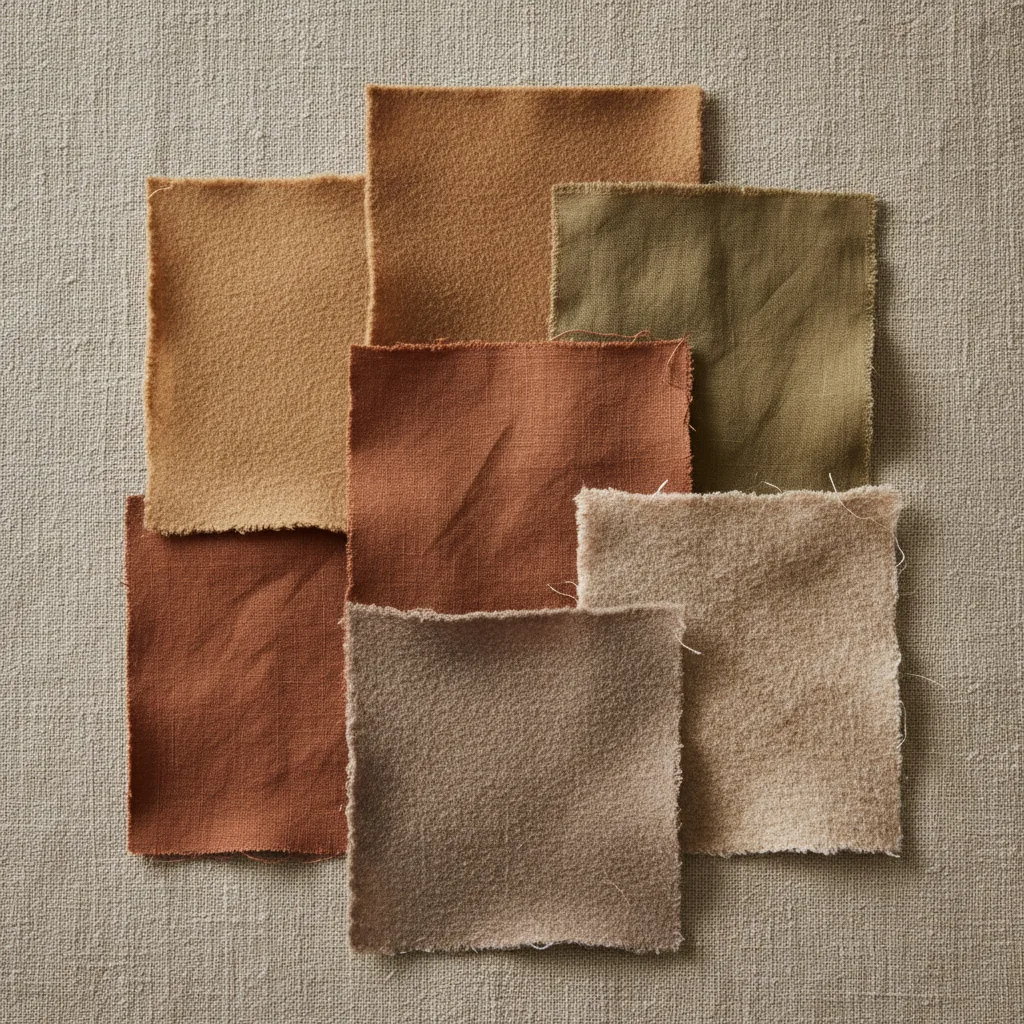
Picture sun-washed linen or an autumn woodland on an overcast morning. Every shade in your palette contains a touch of gray, beige, or earthiness: nothing jarring or electric, yet nothing icy.
Accent Colors
Wear these near your face to illuminate your complexion:
- Sage olive: The quintessential Soft Autumn hero shade that flatters effortlessly.
- Terracotta: A softened, earthy red that respects your delicate coloring.
- Ochre: A warm yellow muted down to the color of dried grass.
- Warm caramel: Functions seamlessly as both a statement shade and a rich neutral.
- Soft turquoise: A balanced, dusty teal that brings just enough cool-leaning contrast.
- Dusty salmon: A warm, gentle version of rose pink.
Core Neutrals (and Can Soft Autumn Wear Gray?)
Your core wardrobe should rely on warm, softened neutrals: camel, oatmeal, khaki, warm taupe, cocoa, and warm cream in place of stark optical white.
Gray is a common dilemma for Soft Autumns. The verdict: you can wear it, but undertone matters. Steel and cool blue-grays will make your skin look washed out and sallow. Instead, opt for warm grays—pewter, mushroom, and greige—which contain subtle yellow or brown undertones that sit naturally against your skin. A simple test in the store: hold a gray piece next to a camel coat. If the gray looks distinctly blue in comparison, leave it on the rack.
Colors to Avoid
- Neon and electric shades: Hot fuchsia, acid lime, and electric blue overwhelm your subtle coloring.
- Jewel tones: Royal sapphire, emerald, and cobalt are too clear and vivid.
- Pure black: Casts harsh shadows under the chin and draws attention to fatigue.
- Stark optic white: Can make your teeth look yellowed and your skin look dull.
- Icy pastels: Frosted pinks and baby blues that appear dusted in snow.
These are not absolute prohibitions, but guidelines for what harmonizes best near your face.
What to Wear Instead of Black
You still need deep anchoring shades—just swap out harsh black. Rich cocoa, deep olive, espresso brown, and warm charcoal deliver the same grounding effect without competing with your skin. If you already own black pieces, style them smartly: keep them below the collarbone, choose matte textures over patent leather or satin, wear an open neckline, or add a buffer scarf in sage, ochre, or caramel.
Soft Autumn vs. Sister Seasons
Most Soft Autumns have been misidentified as one of their neighboring color types at some point.
| Feature | Soft Autumn | Soft Summer | Warm Autumn |
|---|---|---|---|
| Primary Trait | Muted | Muted | Warm |
| Undertone | Neutral-warm | Neutral-cool | Warm |
| Contrast | Low | Low | Medium |
| Drape Test | Warm camel | Cool taupe | Rich rust |
| Best Metal | Brushed gold | Brushed silver | Polished gold |
Soft Autumn vs. Soft Summer: A Matter of Undertone
Both palettes share a muted, low-contrast profile, making them the most commonly confused pair. The sole difference lies in color temperature.
Quick test: Drape warm camel and cool taupe near your bare face. If camel brings warmth and clarity to your skin while taupe makes it look flat and grayish, you are a Soft Autumn. If the reverse is true, explore Soft Summer.
Soft Autumn vs. Warm Autumn: A Matter of Chroma
Both seasons share warm undertones. However, Warm Autumn thrives in rich, saturated shades like true rust, golden mustard, and deep forest green. Soft Autumn requires those same colors mixed with a touch of gray or dust.
Quick test: Compare intense rust against soft terracotta. If intense rust wears you, while terracotta complements your features naturally, you belong in Soft Autumn.
Soft Autumn vs. Deep Autumn: A Matter of Depth
Deep Autumn commands heavy, saturated darks: espresso, blackened pine, and deep burgundy. On a Soft Autumn, those colors look overpowering and heavy, whereas medium-depth shades create an effortlessly polished appearance.
Makeup Guide
Your makeup should softly enhance your natural features rather than create sharp drama. Heavy lines and overly pigmented finishes look costumey on Soft Autumns.
- Foundation: Neutral-warm with a satin or natural finish. Pink-toned foundations create a mask-like disconnect.
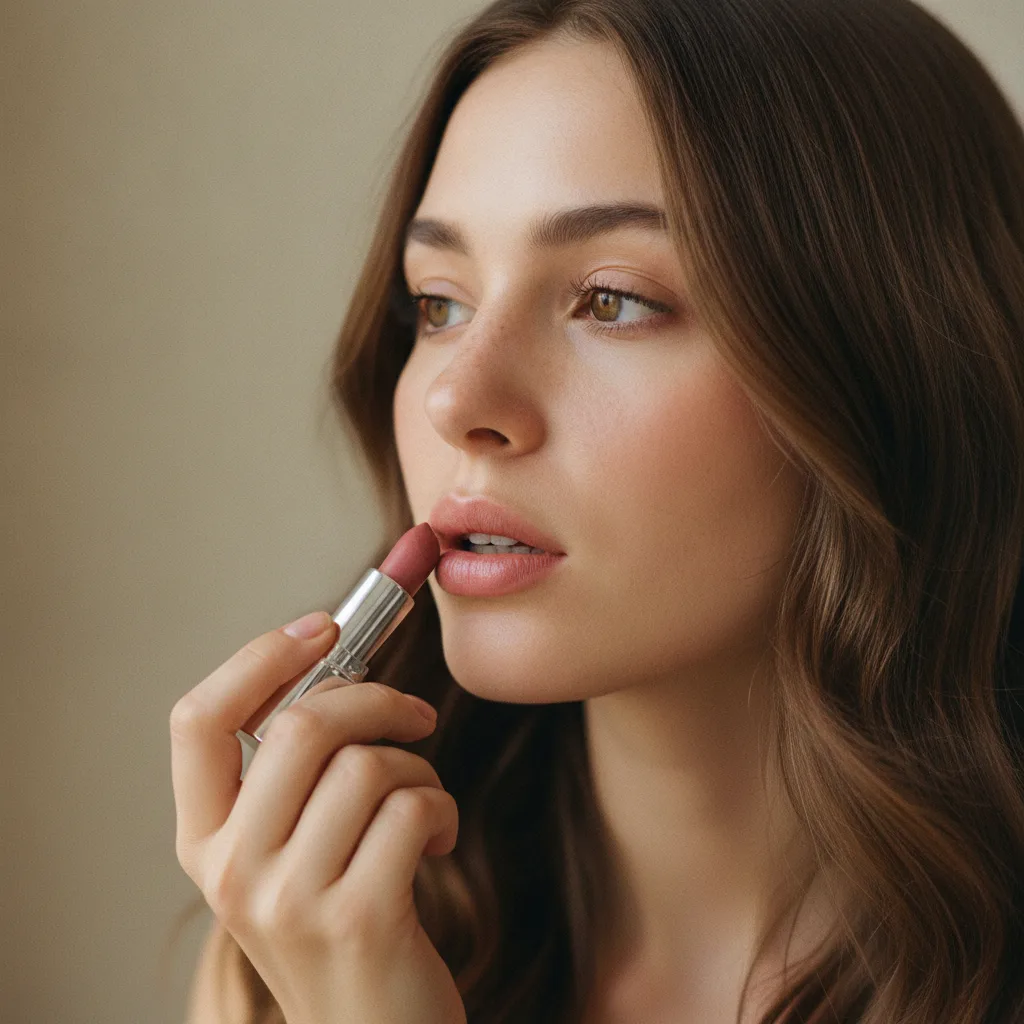
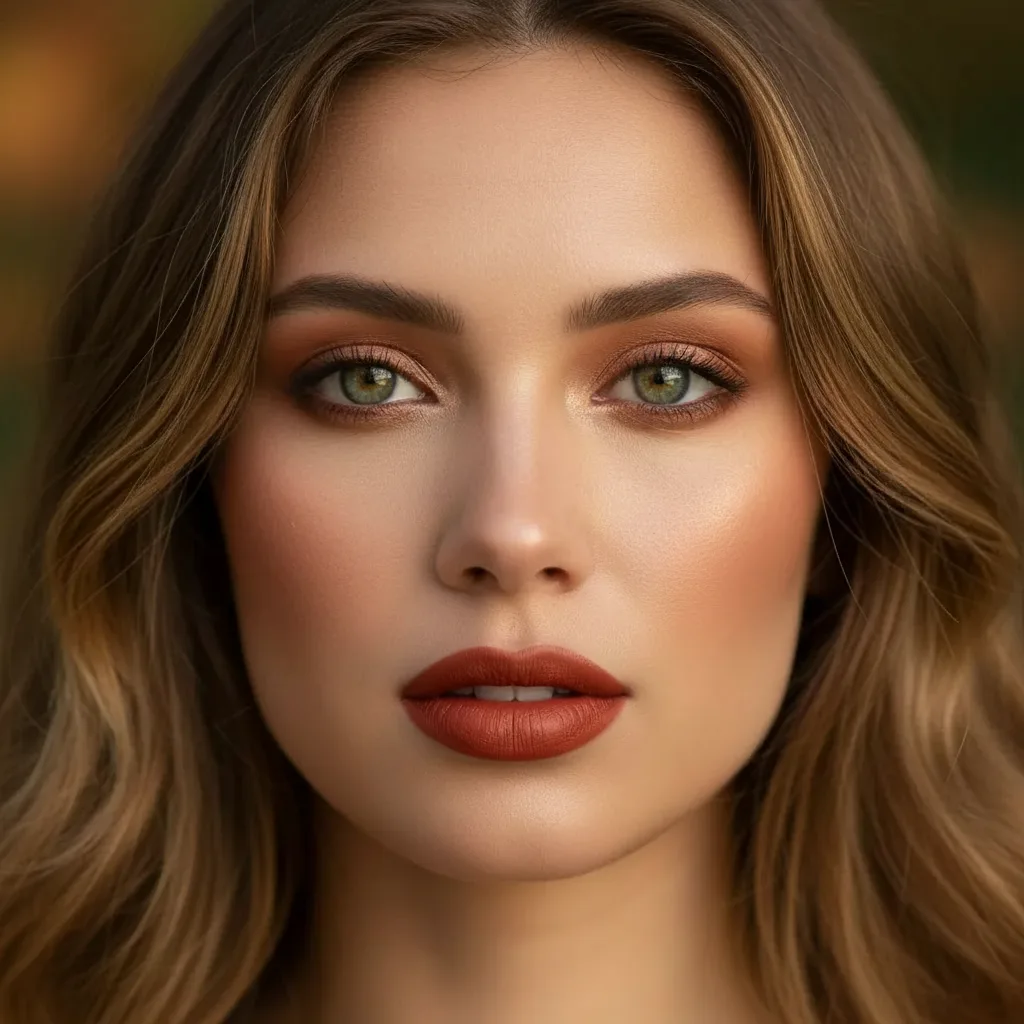
- Lips: Warm nude, dusty brick, soft terracotta, and warm dusty rose. Avoid cool fuchsia and stark true red.
- Eyes: Swap black eyeliner for blended espresso, moss green, or warm taupe pencils. For shadows, reach for soft gold, copper, olive, and warm brown.
- Blush: Soft peach, apricot, and warm nude swept on with a light hand.
- Contour & Bronzer: Choose a warm, diffused bronzer over cool gray contour powders, which tend to look muddy on your skin.
Hair Color
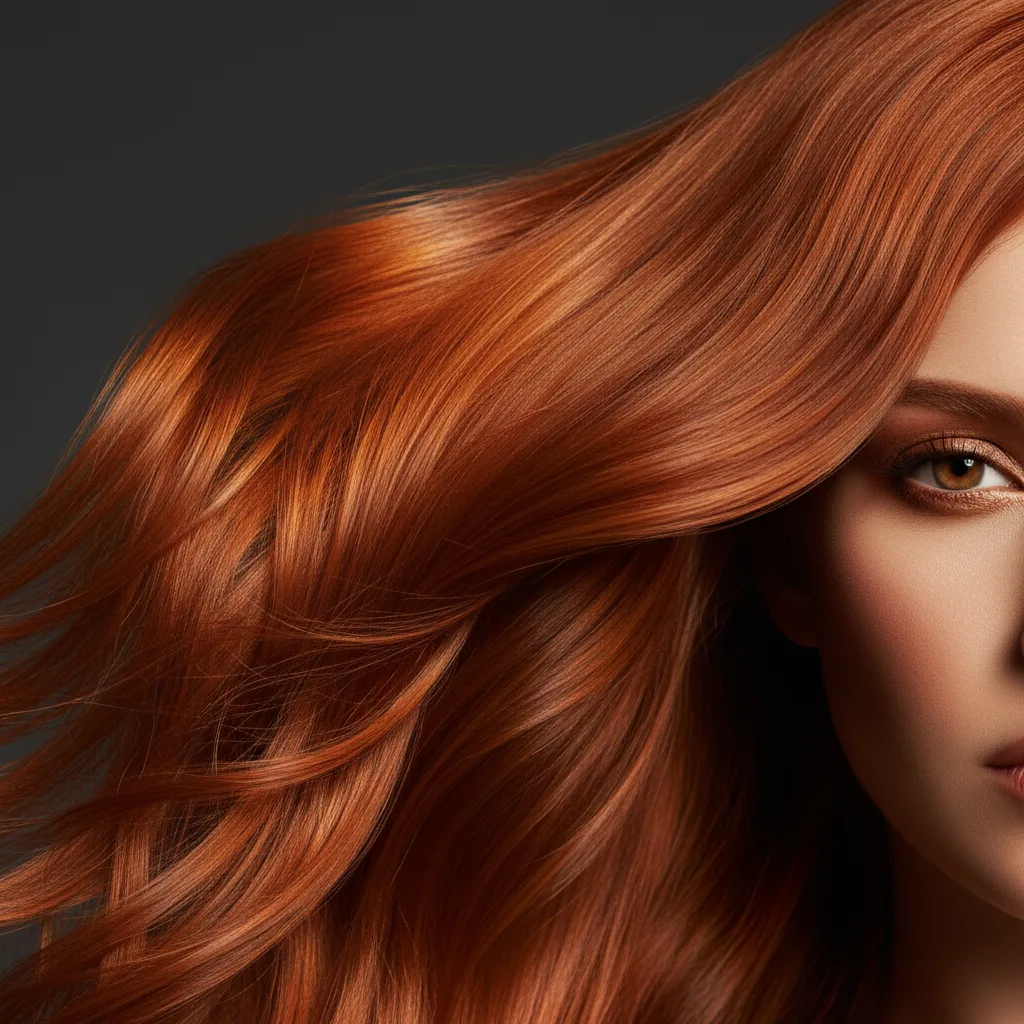
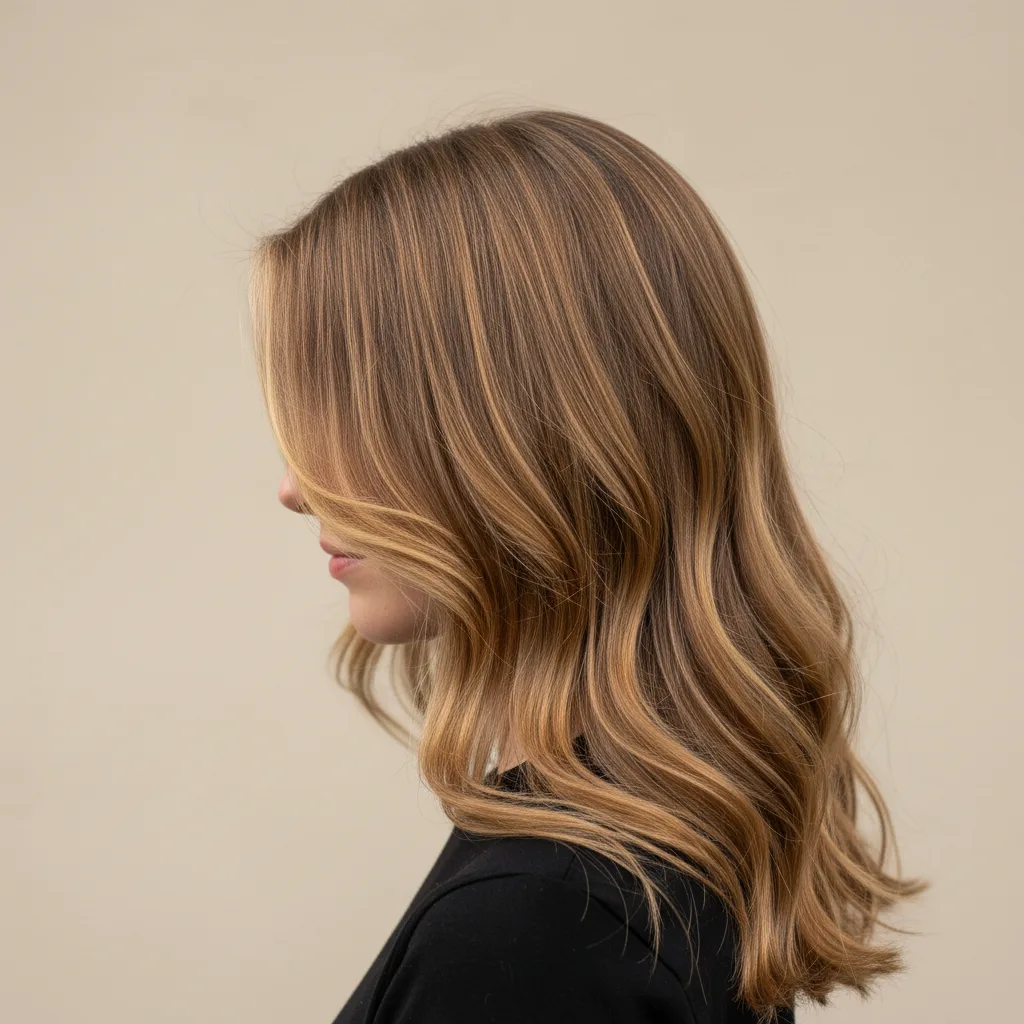
Hair is integral to your overall contrast, so the wrong dye job can pull you out of your natural harmony. Flattering options include golden dark blonde, caramel brown, warm chestnut, honey balayage, and soft auburn. Steer clear of platinum blonde, icy ash, and blue-black: the first two drain warmth from your skin, while black introduces harsh contrast your features cannot balance.
Jewelry and Metals
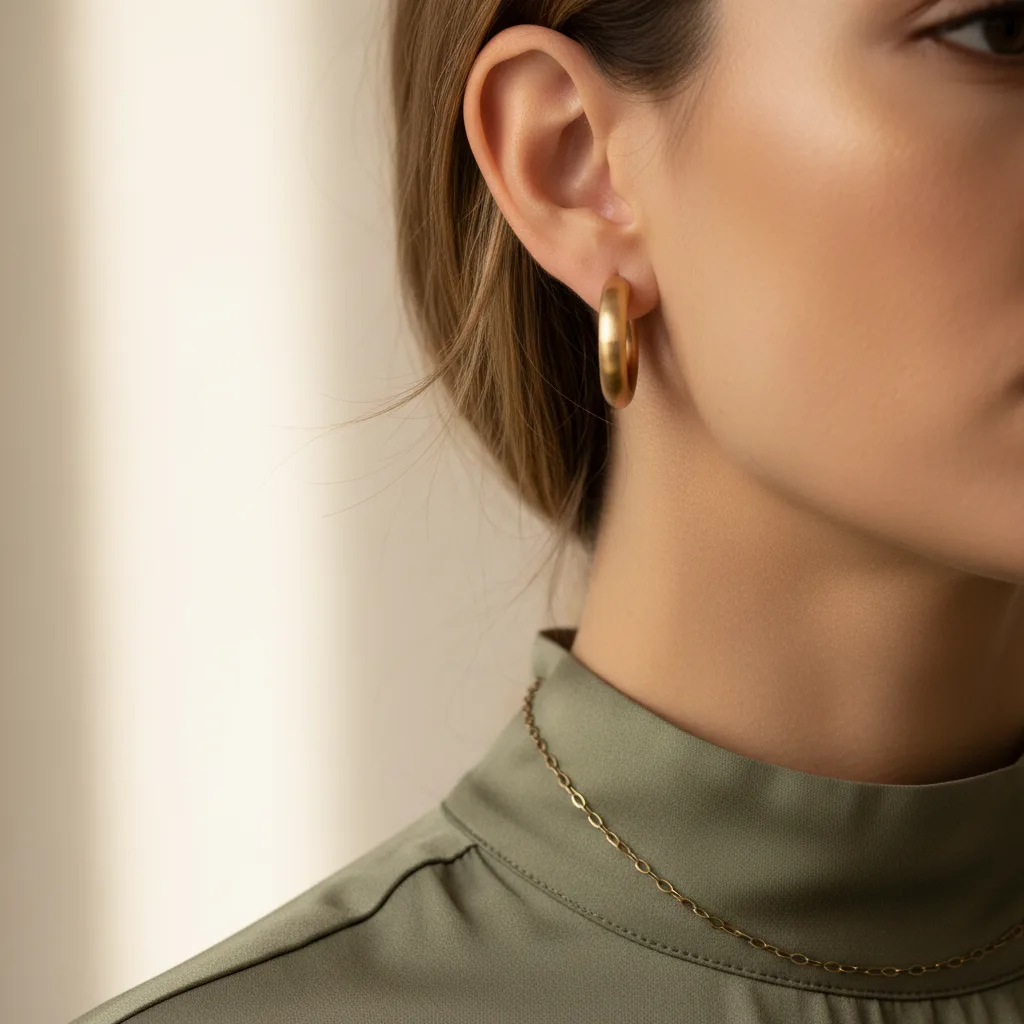
Jewelry rests directly on your skin, making metal choice just as important as your shirt color. Your best metals are yellow golds with soft finishes: brushed, hammered, matte, or antique gold. High-shine polished gold can look overly harsh against muted coloring. Brass, bronze, and copper are also exceptional matches.
While bright, reflective sterling silver can appear frosty, oxidized or antique silver works well. For gemstones, look to amber, carnelian, tiger's eye, smoky quartz, and matte turquoise.
Confirm your seasonal color palette →
Soft Autumn Capsule Wardrobe
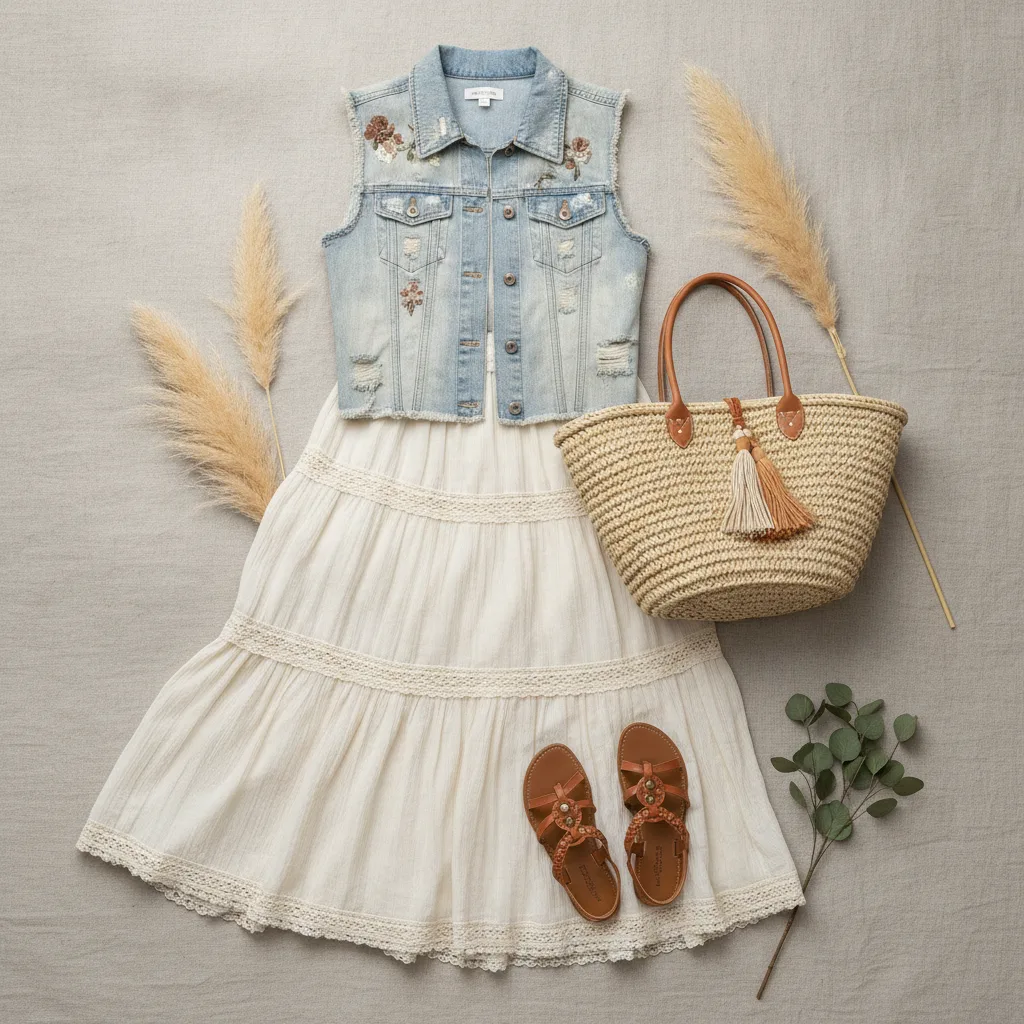
Because every shade in your palette shares an underlying warmth and softness, pieces mix and match almost effortlessly. Building a functional capsule wardrobe is simpler for Soft Autumn than for high-contrast seasons.
Fabrics and Textures
Matte, tactile fabrics capture your colors best: suede, tweed, corduroy, brushed wool, linen, garment-washed cotton, and cashmere. High-shine materials—like vinyl, high-luster satin, and mirror metallics—introduce harsh reflections that clash with your soft look. Prints should feature blended transitions: watercolor botanicals, subtle warm plaids, and gentle paisleys work better than crisp geometric or stark black-and-white patterns.
Wardrobe Essentials
- A classic camel trench coat or tailored wool coat.
- Wide-leg trousers in olive khaki or warm taupe.
- Everyday tops in sage, terracotta, and warm caramel.
- Cozy knitwear in oatmeal and rich cream.
- Suede ankle boots or loafers in warm cognac brown.
- A midi dress in muted ochre or dusty salmon for special occasions.
Monochrome and Tonal Styling
The standard "bright white top, black trousers" formula creates a sharp dividing line across the body that works against your low-contrast coloring. Tonal, column-of-color dressing looks significantly more refined: cream with camel, sage with olive, or caramel with cocoa. In this palette, a tonal outfit looks far more luxurious than sharp contrast.
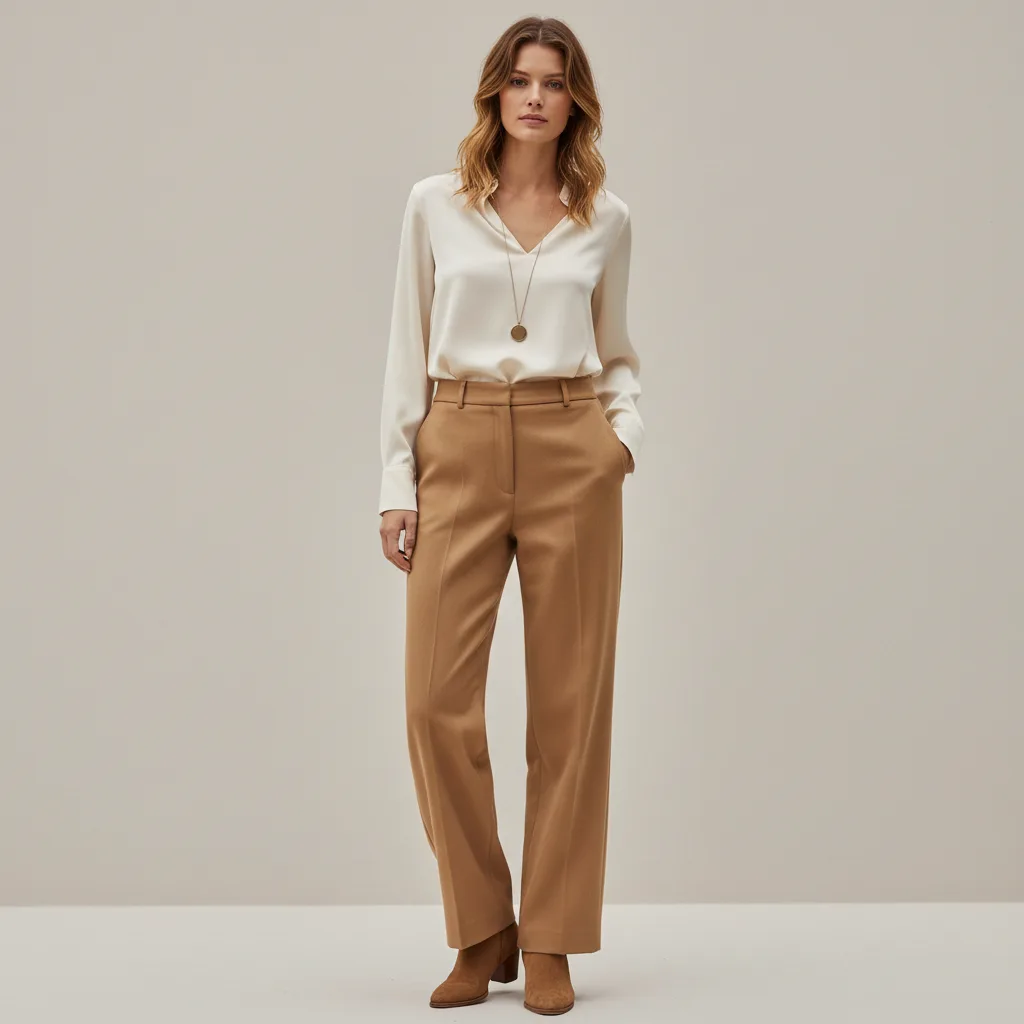
Three Go-To Outfit Formulas
- Work: Cream silk blouse, camel tailored trousers, and warm brown leather loafers.
- Weekend: Chunky oatmeal crewneck sweater, khaki chinos, suede ankle boots, and brushed gold jewelry.
- Evening: Matte terracotta slip dress, warm brick lipstick, and hammered bronze statement earrings.
Soft Autumn for Men
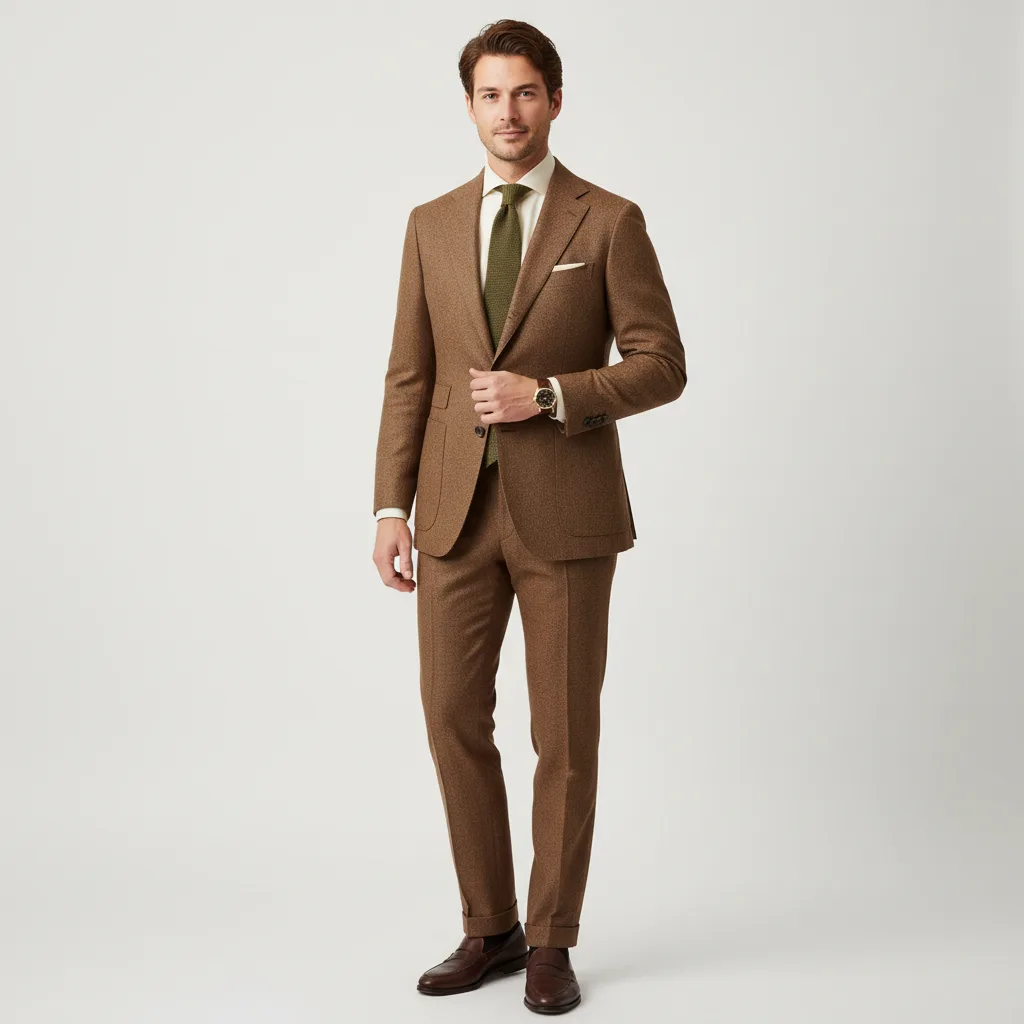
The same principles apply directly to menswear. Choose suits in rich warm brown, olive, or warm charcoal rather than pure black. Swap crisp optic white dress shirts for warm ivory or soft ecru. Knit ties in olive, burnt ochre, and warm brick add texture and color harmony. For timepieces, opt for brushed stainless steel, matte bronze, or warm gold hardware. A tobacco brown suit paired with a cream shirt will look infinitely sharper on you than standard black and white.
Soft Autumn Celebrities
Seeing your palette on familiar faces makes color typing easier to visualize. Look up these celebrities to observe how seamlessly their features blend, and how muted, warm shades bring out their natural radiance:
Drew Barrymore
Classic warm, low-contrast features with golden-blonde hair and soft eyes; shines brightest in caramel and olive.
Jessica Alba
Neutral-warm skin and soft hazel-brown eyes; looks effortless in earthy, dusty neutrals while bright neons wash her out.
Kate Moss
Naturally muted coloring with soft golden undertones; her signature style revolves around beige, khaki, and camel.
Zooey Deschanel
Soft features and subtle warmth that look far more natural in muted earth tones than in stark, icy brights.
Get your personalized color palette →
Frequently Asked Questions
Can Soft Autumn wear black?
Directly next to the face, black can look stark and draining. Kept below the neckline, in a matte fabric, or softened with an open collar, it is manageable. However, espresso, dark olive, and warm charcoal fulfill the same anchoring role without casting shadows on your face.
Is Soft Autumn warm or neutral?
It is neutral-warm. Softness is the primary characteristic, while warmth is secondary. Because of this balance, a dusty, cool-leaning shade like muted teal often looks better than a clear, hot orange.
Am I a Soft Autumn or a Soft Summer?
Compare warm camel against cool taupe near your face in natural daylight. If camel enlivens your skin, you are a Soft Autumn; if cool taupe looks more natural, you are a Soft Summer. Both share muted depth, differing only in undertone.
What hair colors suit Soft Autumn best?
Golden dark blonde, caramel, warm light chestnut, and honey balayage. Avoid platinum, stark ash tones, and blue-black.
Can Soft Autumn wear gray?
Yes, as long as it has warm undertones. Look for pewter, mushroom, and greige. Avoid cold steel and icy blue-grays.
What about silver jewelry?
Oxidized or antique silver with a softened patina works nicely. Highly polished mirror silver can look too stark, making brushed gold, brass, and bronze your best everyday metals.
Take the palette with you
The colour screen opens on your phone and works offline: hold it against a garment in the shop and compare.
Try the colours on yourself
Every tool runs on a single photo and follows your palette.