Winter · Cool undertone
Bright Winter: Complete Seasonal Color Guide
If electric blue, hot fuchsia, and true red instantly light up your features while muted or earthy tones make you look tired, you are likely a Bright Winter. As the most striking of the seasonal types, this palette lets you wear pure black and stark white without compromise.
How to Tell If You Are a Bright Winter
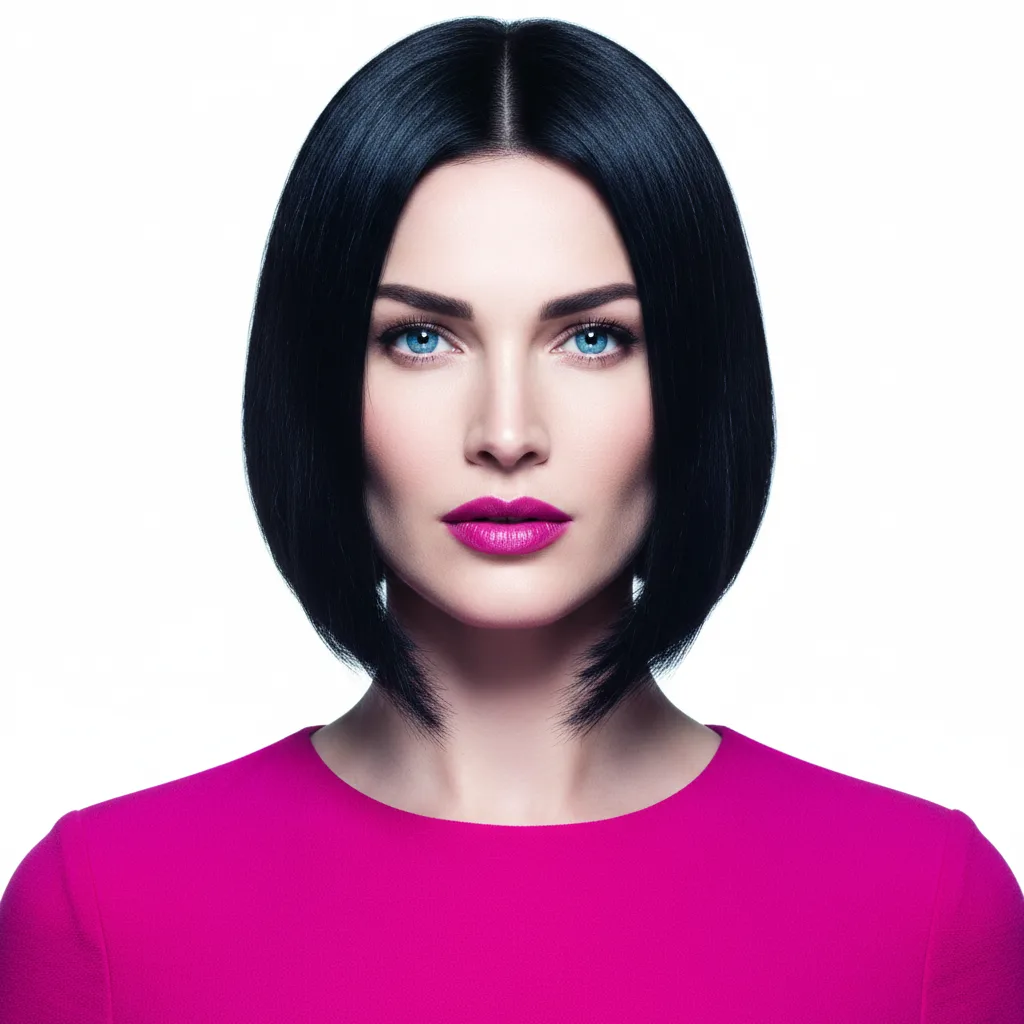
Bright Winter is defined by two traits in strict order: clarity first, coolness second. It is the most striking and vibrant of all seasonal types. You thrive in high-saturation shades at full intensity, and dusty, muted colors will wash you out far more quickly than an off-temperature tone. Electric blue, vivid fuchsia, and true red—hues that overwhelm most people—look effortlessly natural on you.
Check your features in natural daylight without makeup against these three traits.
Skin
Cool and clear: from porcelain and icy olive to deep cool-toned skin. It looks smooth, radiant, and luminous, without the matte, dusty haze characteristic of soft seasons.
Eyes
The hallmark of this season: bright, sparkling eyes with sharp definition. Think saturated blue, clear emerald green, crisp icy grey, or deep dark brown with a distinct border around the iris. Your eyes are often the first thing people notice.
Hair
Deep and cool: blue-black, cool dark espresso, or rich chestnut with an ashy sheen. Against your skin, your hair creates crisp, vivid contrast.
The Contrast Test
Your overall contrast is exceptionally high: there is a sharp difference between your hair, skin, and eyes. This is why you need high-voltage colors—they match your natural intensity, whereas low-contrast or muddy tones make your features fade.
Find your seasonal color type with photo analysis →
The Bright Winter Palette
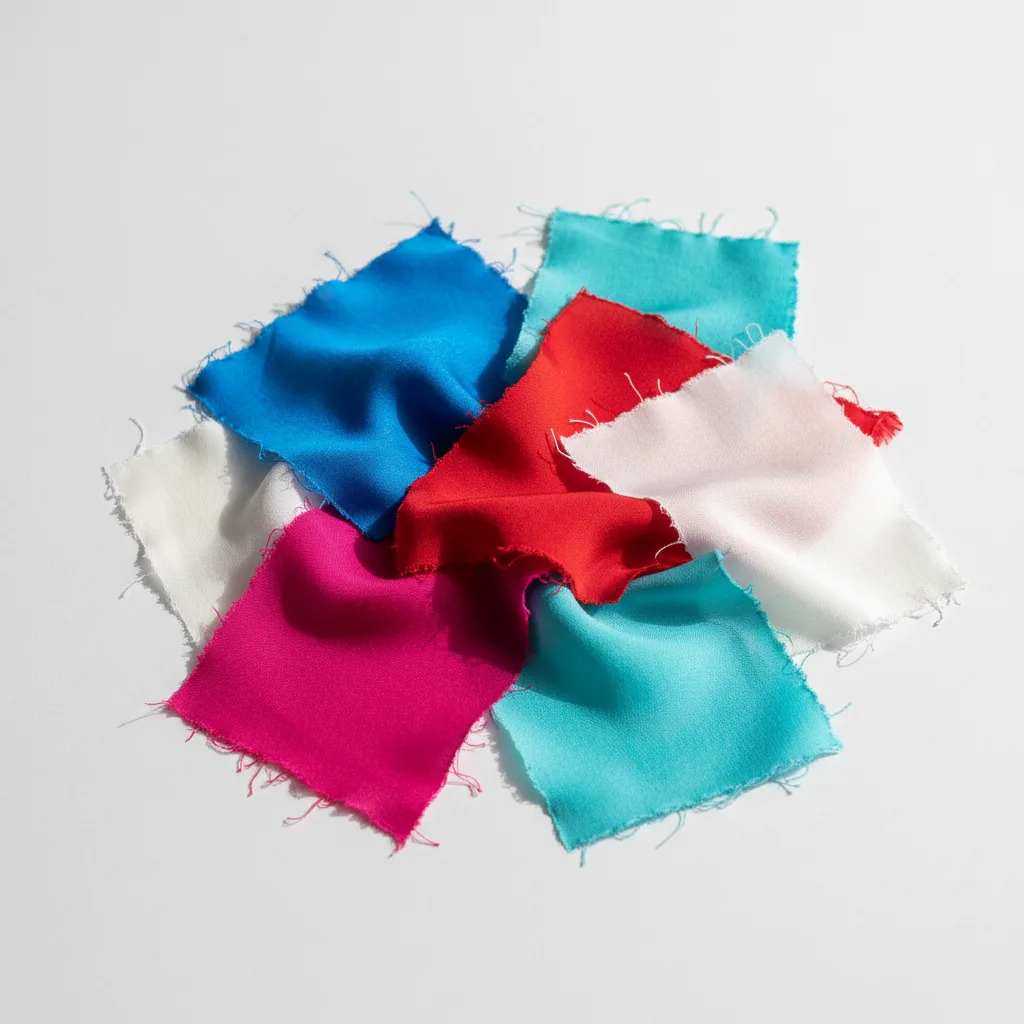
Picture bright neon signs glowing on a freezing, clear night: colors dialed up to maximum intensity, icy and pure. Your palette contains neither dirt nor dust.
Accent Colors
Wear these close to your face to bring out the natural clarity of your complexion:
- Electric blue — your signature, high-impact shade.
- Hot fuchsia — cool, punchy, and your ultimate statement pink.
- True red — free from orange warmth and not dark like burgundy.
- Icy turquoise — fresh, vibrant, and razor-sharp.
- Emerald green — rich, saturated, and jewel-toned.
- Royal purple — a pure, vivid violet that makes stunning evening wear.
Neutral Base: Why Black and White Work for You
Your neutrals thrive on maximum contrast: jet black, brilliant optic white, deep charcoal, and vibrant navy. The classic stark combination of a crisp white top and black bottoms works flawlessly on you—a privilege reserved for high-contrast winter types.
Beige, warm cream, and camel do not work well; they cast a dull, yellowish cast over your skin. Use stark white and icy light grey as your light neutrals instead.
Colors to Avoid
- Dusty, muted tones — your biggest enemy; they blur your natural sharpness.
- Warm earthy shades — mustard, rust, olive, and terracotta.
- Beige and camel — make your complexion look tired and sallow.
- Cream and ivory — your white must always be crisp, bright, and cool.
- Smoky pastels — lack the punch needed to flatter your high contrast.
These are not strict prohibitions, but practical priorities—especially for what you wear directly against your face.
Bright Winter vs. Neighboring Seasons
Deciding between Bright Winter and its neighbors comes down to either depth or temperature.
| Feature | Bright Winter | Deep Winter | Bright Spring |
|---|---|---|---|
| Primary trait | Clarity / Brightness | Depth | Clarity / Brightness |
| Temperature | Cool | Cool | Warm |
| Contrast | Very high | Very high | High |
| Test color | Electric blue | Deep burgundy | Coral red |
| Metals | Polished silver | Silver | Bright yellow gold |
Bright Winter vs. Deep Winter: A Question of Depth
Both types are cool and contrast-heavy. Deep Winter needs blackened, mysterious shades, while you need luminous clarity and punchy saturation.
Quick test: Hold electric blue and midnight navy up to your face. If electric blue makes your eyes sparkle while midnight navy feels a bit heavy, you are a Bright Winter.
Bright Winter vs. Bright Spring: A Question of Temperature
Both seasons handle intensely bright shades with ease. The deciding factor is undertone: Bright Spring requires warm versions of those same high-voltage hues.
Quick test: Compare cool fuchsia against a warm poppy pink. If the cool tone refreshes your face while the warm tone makes you look yellowish, you belong in Winter.
Bright Winter vs. Cool Winter: A Question of Saturation
Cool Winter prefers icy, balanced tones with moderate vibrancy. If you consistently look best in the boldest, most electric colors on the rack, you are a Bright Winter.
Makeup
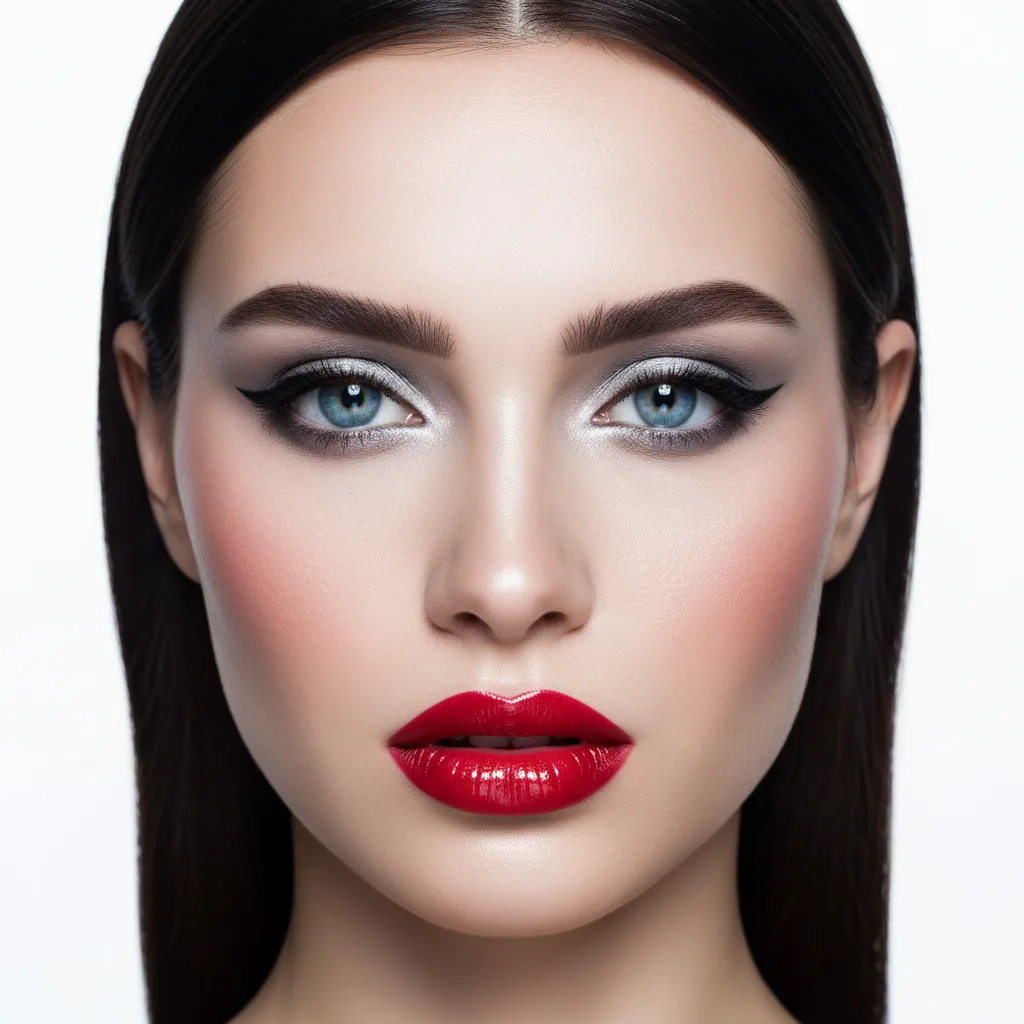
Bright Winter is built for crisp, defined makeup. Sheer, washed-out, and muted textures simply disappear against your vivid features.
- Foundation: Cool or neutral-cool undertones with precise shade matching; warm golden tones will look mask-like.
- Lips: True bold red, hot fuchsia, magenta, and deep cool berries. Avoid warm brick and coral.
- Eyes: Sharp black winged eyeliner; eyeshadows in icy silver, gunmetal, emerald, and rich plum.
- Blush: Cool rose and vibrant raspberry applied with a light hand.
- Contour: Cool taupe; warm bronzers will look muddy and dirty on your skin.
Hair Color
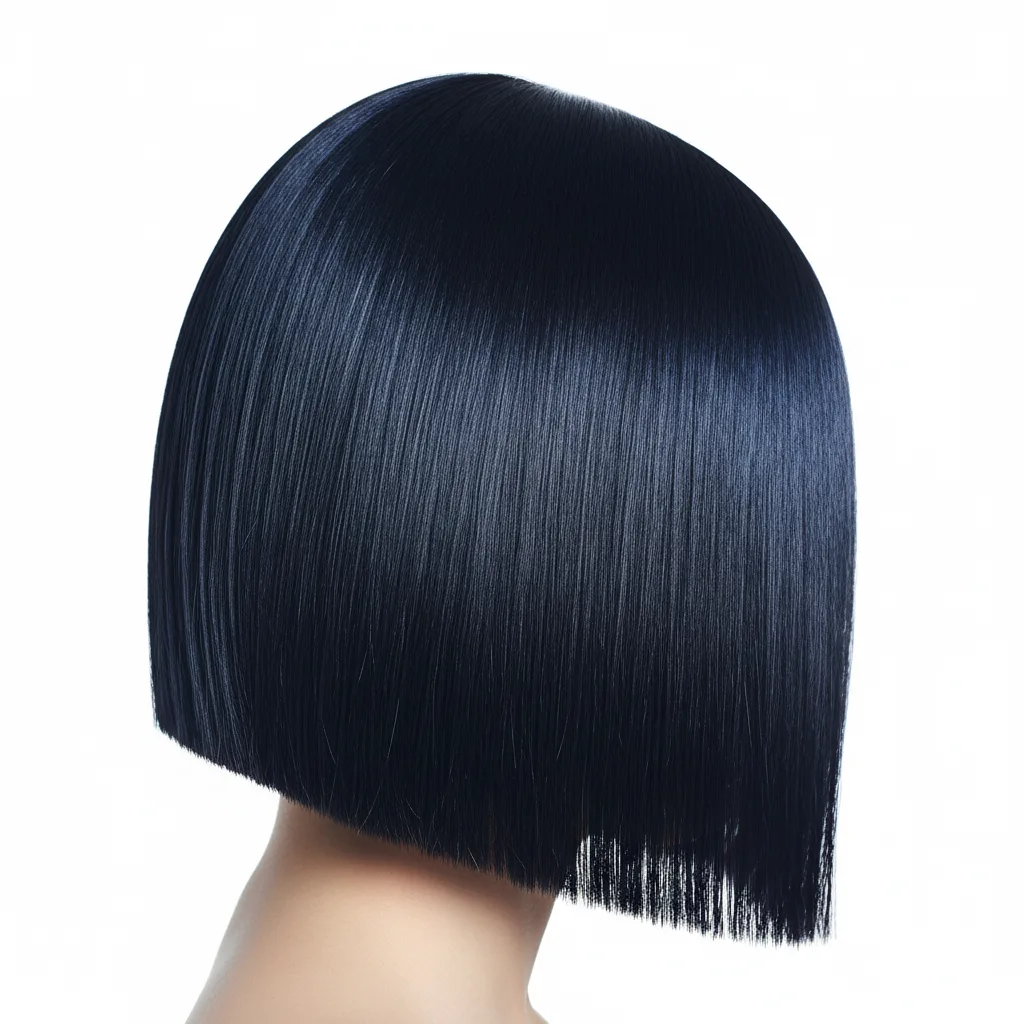
Your ideal zone is dark, glossy, and distinctly cool: blue-black, cool dark espresso, and rich chestnut without copper undertones. Steer clear of golden blonde, warm copper, caramel balayage, and soft ash highlights. Warm tones create an unflattering sallow effect, while overly blended highlights wash out your defining contrast.
Jewelry and Metals
Your best metals are high-shine polished silver, platinum, white gold, and gunmetal steel. High-gloss finishes accentuate your sharp radiance, whereas matte, brushed, or antiqued textures dull your appearance.
Yellow gold clashes with your cool undertones. For gemstones, choose brilliant-cut diamonds, sapphires, emeralds, blue-based rubies, onyx, and clear quartz.

Confirm your seasonal color type →
Capsule Wardrobe
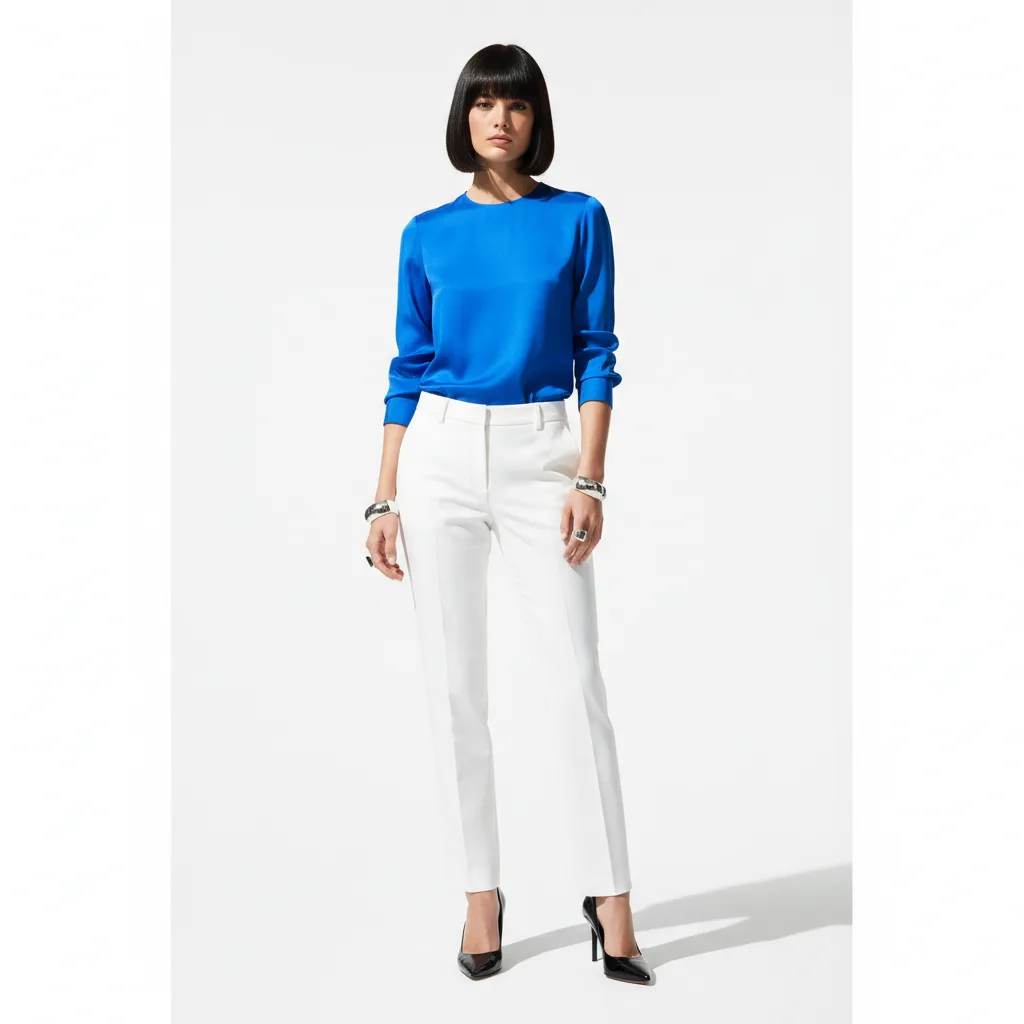
Bright Winter excels in bold color combinations: black with optic white, white with electric blue, or black with hot fuchsia. Safe, low-contrast monochrome outfits can make your natural glow look understated.
Fabrics and Textures
Choose crisp, smooth materials with structure or sheen: structured cotton, glossy silk, patent leather, smooth wool, and fine cashmere. Sheen works to your advantage. Avoid washed-out fabrics, slubby tweeds, and warm suede. For prints, lean into high-contrast graphics, crisp stripes, bold polka dots, and sharp geometric patterns.
Key Wardrobe Staples
- A tailored, structured black coat.
- A crisp, optic white button-down shirt.
- Sharp black and charcoal trousers.
- Statement knitwear in electric blue, fuchsia, or true red.
- Polished silver or white gold jewelry with high shine.
- A cocktail dress in vivid true red or emerald green.
Three Go-To Outfit Formulas
- Work: Crisp white shirt, tailored black trousers, silver hoop earrings, and a true red lip.
- Casual: Electric blue crewneck tee, dark wash jeans with no whiskering, and clean white sneakers.
- Evening: Hot fuchsia midi dress, sharp black winged liner, and platinum accents.
Bright Winter for Men
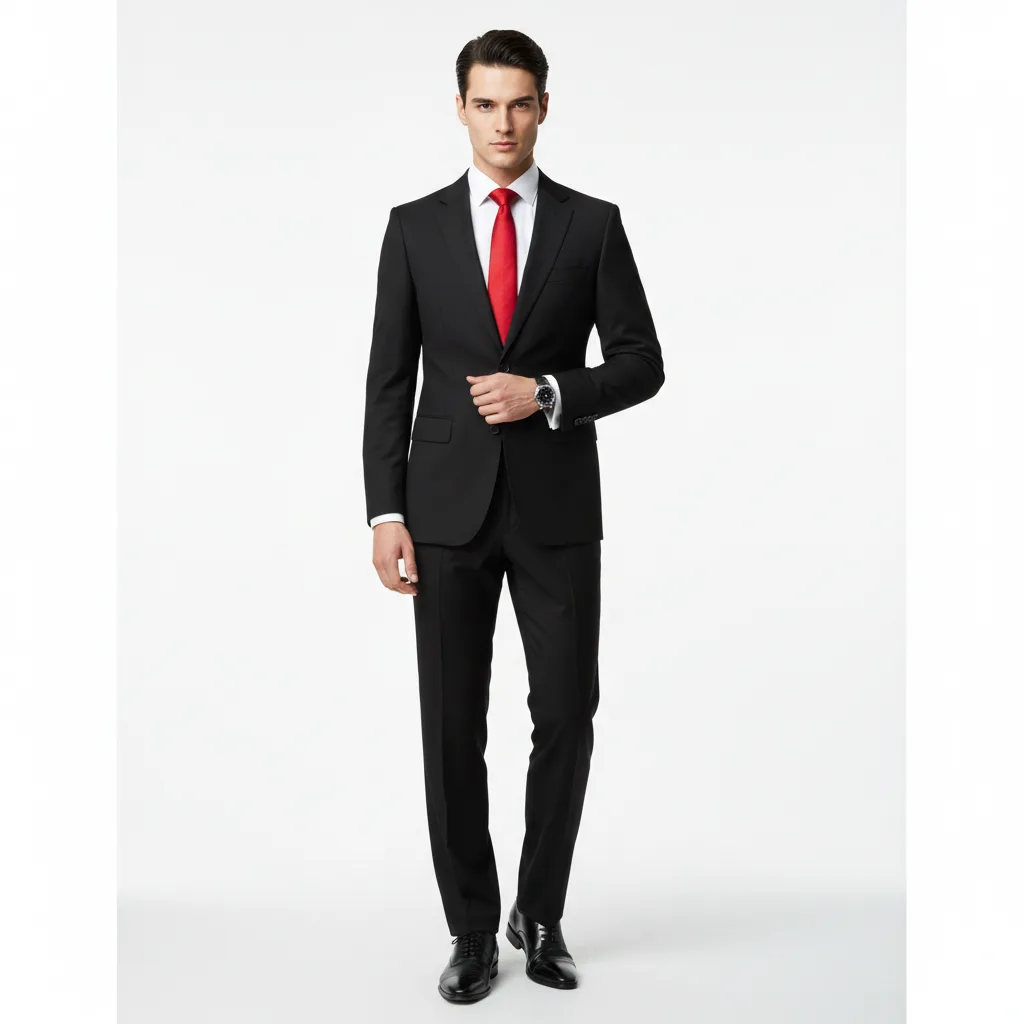
The rules remain identical. Suits look sharpest in jet black, charcoal, or deep electric navy. Opt for crisp white and ice-blue dress shirts. Choose ties in bold red, cobalt, or emerald. Watches should be silver or polished stainless steel. Avoid beige trench coats and warm cognac shoes—swap them for black and charcoal to keep your features crisp.
Celebrity Examples
Looking at real people who share your palette is the quickest way to understand your contrast. Look up photos of these celebrities to see how vivid colors illuminate their faces while muted tones fall flat.
Anne Hathaway
Rich dark hair, porcelain skin, and luminous eyes—a textbook example of high-contrast Winter vibrancy.
Katie Holmes
Cool skin and deep hair; saturated, clear colors instantly elevate her look over soft pastels.
Christina Ricci
Extreme contrast between fair skin and dark hair that naturally demands clear, high-impact tones.
Shannen Doherty
Dark hair, clear blue eyes, and bright skin: black and white combinations look effortlessly chic rather than harsh.
Get your personal palette from your photo →
Frequently Asked Questions
Can Bright Winter really wear pure black?
Yes. Paired with bright white or an electric accent, black is one of your best colors because your natural contrast matches its intensity.
How do I tell Bright Winter from Bright Spring?
Compare cool fuchsia to a warm coral-pink. If fuchsia flatters you and coral looks yellow, you are a Winter. Both share brightness, but temperature separates them.
What is the best hair color for Bright Winter?
Blue-black, cool dark espresso, and glossed chestnut without brassy undertones. Avoid honey blonde, copper, and warm caramel highlights.
Can Bright Winter wear beige?
No, standard beige washes you out. Replace it with crisp white, icy silver-grey, or pale cool stone.
Can I wear gold jewelry?
Stick to white gold, platinum, and silver. Yellow gold clashes with your cool skin tone and dampens your contrast.
How can I wear bright colors every day without overdoing it?
Keep your outfit anchored in black, white, and charcoal neutrals, then add one punchy accent near your face—such as a vibrant top, a bright scarf, or a statement lipstick.
Take the palette with you
The colour screen opens on your phone and works offline: hold it against a garment in the shop and compare.
Try the colours on yourself
Every tool runs on a single photo and follows your palette.