Autumn · Warm undertone
Deep Autumn: The Complete Seasonal Color Guide
If rich, warm shades like burgundy, rust, and forest green bring your face to life while pale pastels wash you out, you are likely a Deep Autumn. This is the only autumn season that thrives in genuinely dark base tones. Here is your practical guide to palettes, makeup, hair colors, styling, and key differences from sister seasons.
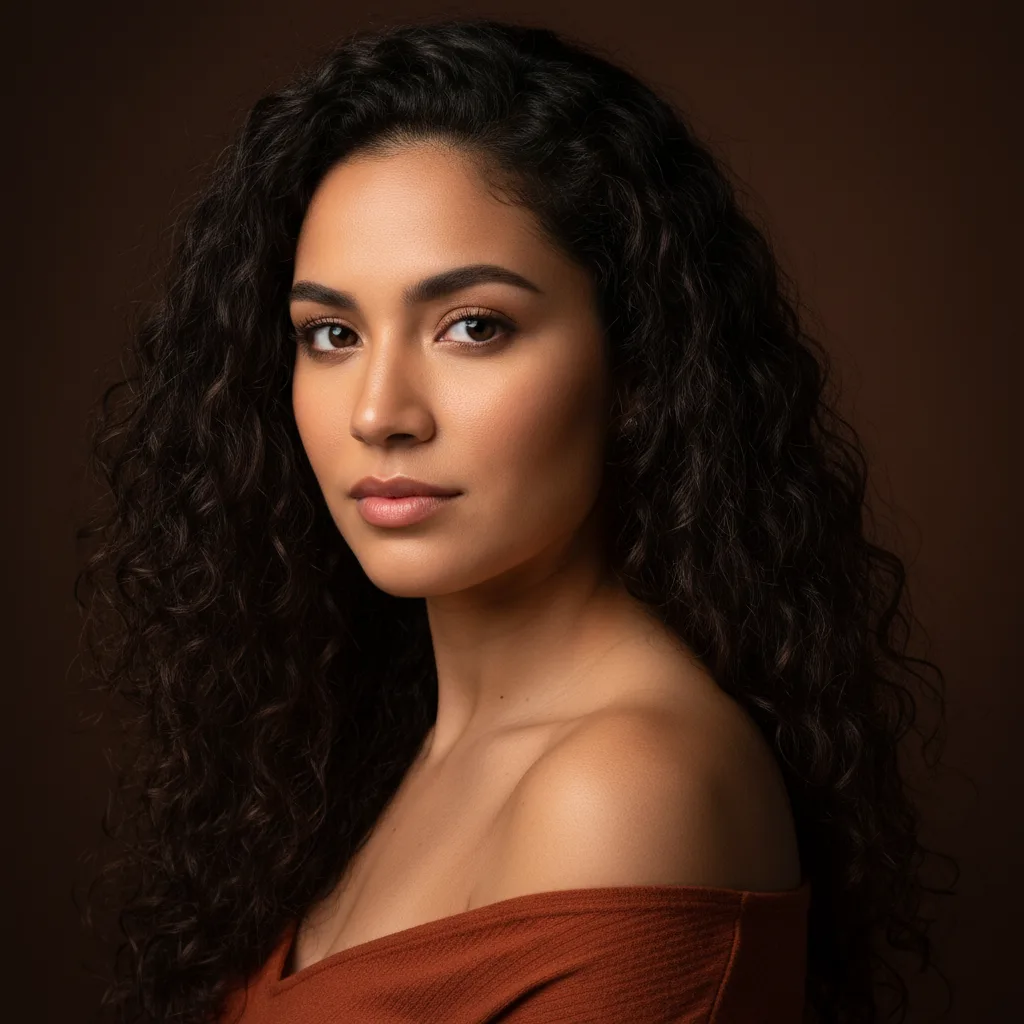
How to Know if You Are a Deep Autumn
Deep Autumn is defined by two traits in strict order: depth first, warmth second. Depth is your dominant characteristic, which is why rich, saturated tones flatter you while light pastels drain your complexion. Unlike other autumn seasons, you easily pull off very dark shades—as long as they lean warm rather than pitch black.
Check your features in natural daylight without makeup across three indicators.
Skin
Warm or neutral-warm, often with an olive or golden bronze cast. It ranges from fair to very deep—what matters is not skin lightness, but that gold jewelry looks more harmonious against it than silver, and deep, warm tones never clash with your complexion.
Eyes
Typically dark and saturated: deep brown, hazel-green, dark amber, or nearly black. The iris retains strong saturation and does not shift in tone depending on what you wear—a key difference between Deep Autumn and softer seasons.
Hair
Dark and warm: dark chocolate, deep chestnut, rich auburn-brown, or warm brownish-black. Pure ash tones are absent. Hair is noticeably darker than the skin, creating naturally high contrast.
The Contrast Check
Look at a photo of yourself: if your dark hair and eyes clearly stand out against your skin tone, you have high contrast. This means muted, washed-out hues look misplaced on you, while saturated depth near your face looks striking and intentional.
Find your color season from a photo →
The Deep Autumn Palette
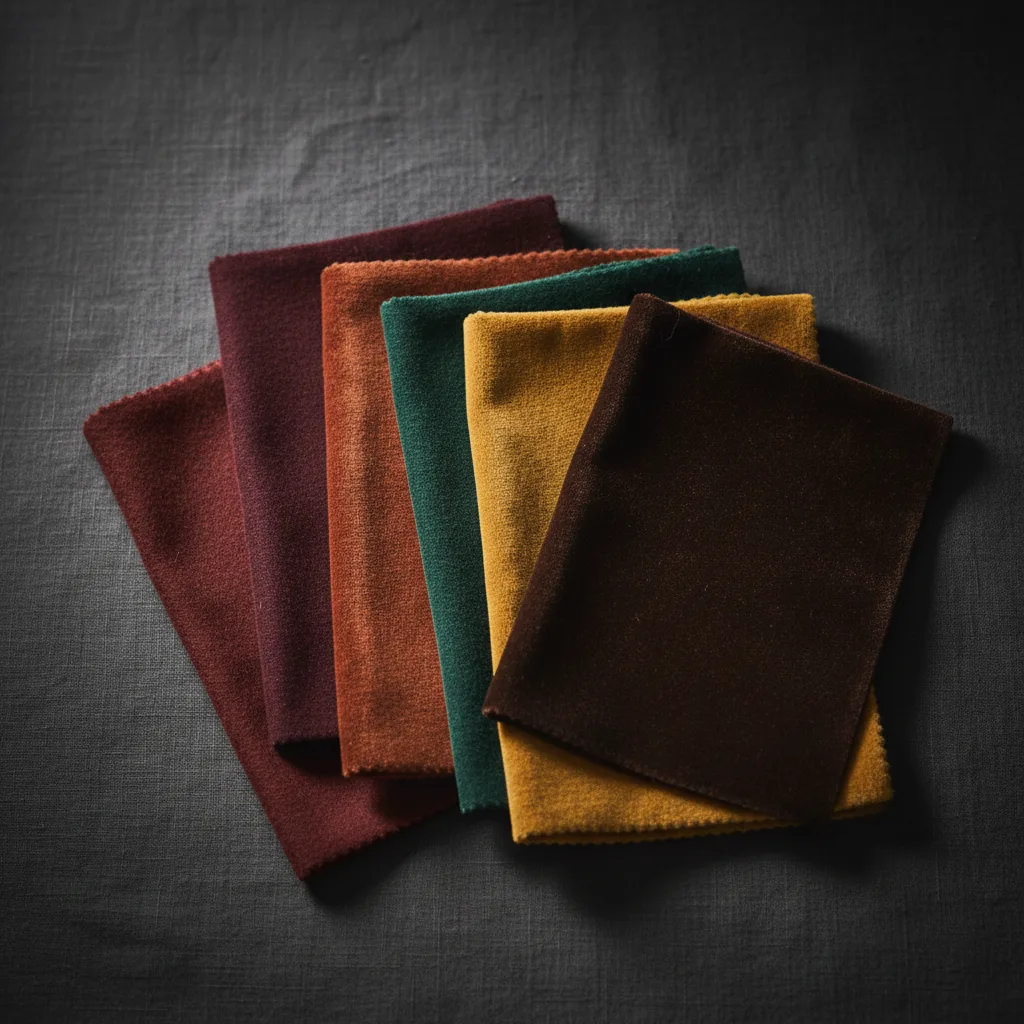
Picture a spice market or a dense forest at dusk: deep, warm, and luxurious. Almost all of your colors are shaded with black and brown, yet they retain an underlying heat—none of them ever feel icy.
Accent Colors
Wear these close to your face—they reflect directly onto your skin:
- Burgundy — your signature shade for eveningwear and outerwear.
- Rust — a warm red that brings a healthy, vibrant glow to your skin.
- Forest green — a rich green that pulls out golden flecks in your eyes.
- Dark ochre and mustard — the only depth of yellow that truly flatters you.
- Dark teal — a cooler hue made wearable by its rich depth.
- Terracotta — a softer, daytime alternative to rust.
Neutral Base Colors — and How to Handle Black
Your neutral palette is grounded and warm: dark chocolate, espresso, deep olive, warm coffee, dark khaki, and rich cream instead of pure white. These shades replace true black in your capsule wardrobe—and perform far better by keeping your skin glowing and radiant.
Pure black is not strictly off-limits as it is for softer seasons: your high contrast can handle the depth. However, it is cooler than your natural coloring and can slightly dull your skin. A good rule of thumb: wear black bottoms freely, but choose chocolate, burgundy, or forest green near your face. If you wear black on top, bring in a warm accent near the neckline, such as gold earrings, a rust scarf, or brick-red lipstick.
Colors to Avoid
- Pastels — baby pink, mint, powder blue: against your rich depth, they appear faded.
- Icy tones — anything frosted or starkly cool.
- Milky beige — washes out your complexion; swap it for cream or warm sand.
- Neon shades — compete with your natural richness and look harsh against your coloring.
- Stark white — creates too harsh a boundary; opt for cream or ivory instead.
These are not absolute prohibitions, but rather a guide to best choices—especially within the top twenty centimeters around your face.
Deep Autumn or a Neighboring Season?
Deep Autumn is most frequently confused with two neighboring seasons—and in both cases, the distinction comes down to undertone temperature or saturation level.
| Feature | Deep Autumn | Deep Winter | Soft Autumn |
|---|---|---|---|
| Dominant trait | Depth | Depth | Mutedness |
| Undertone | Warm | Cool | Neutral-warm |
| Contrast | High | Very high | Low |
| Test color | Rust | Raspberry | Warm camel |
| Best metal | Antique gold | Silver | Brushed gold |
Deep Autumn vs. Deep Winter: A Question of Temperature
Both seasons share dark values and high contrast, making them easy to mix up. Undertone temperature is the deciding factor.
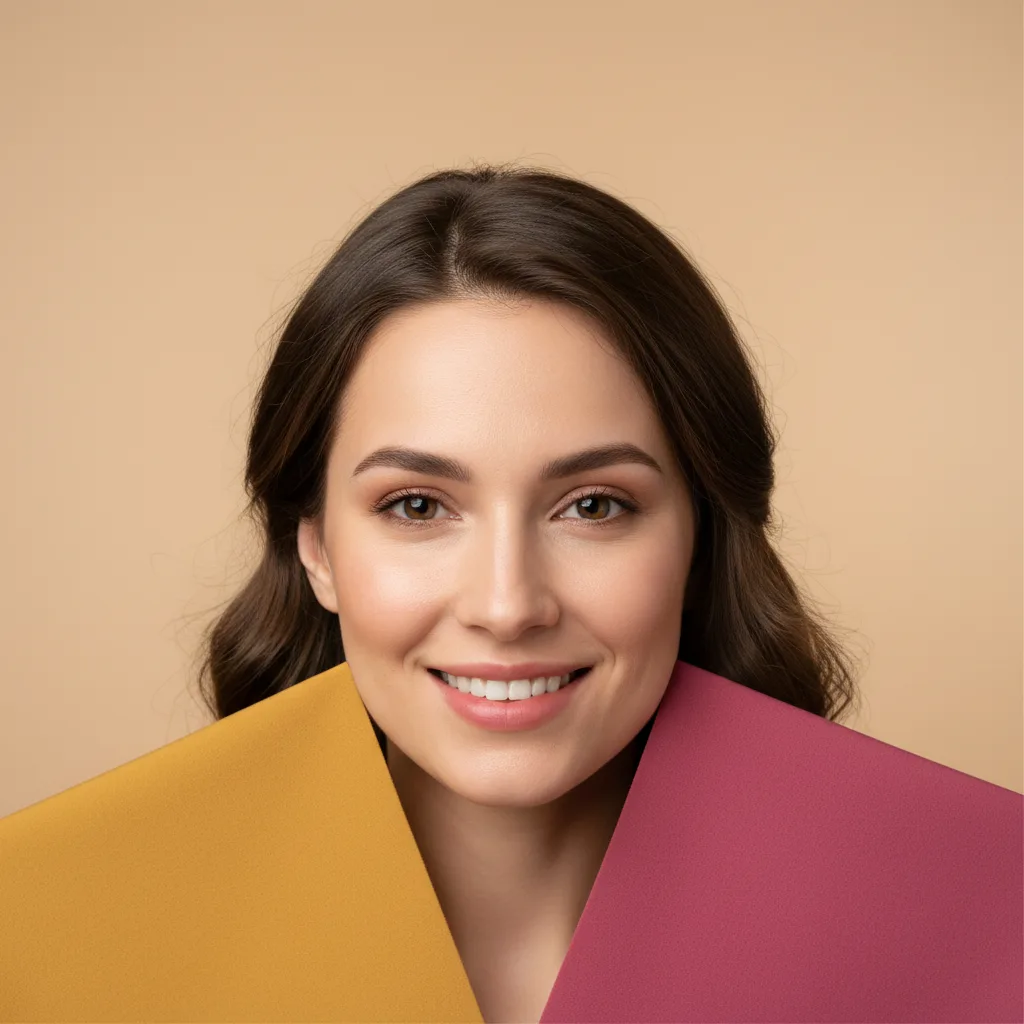
Quick test: drape rust near your face, then try a cool raspberry red. If rust warms your skin and raspberry turns it ashy, you are a Deep Autumn. If raspberry flatters you more, explore Deep Winter.
Deep Autumn vs. Soft Autumn: A Question of Depth
Both palettes are warm. The difference lies in how much depth and saturation you can carry. Soft Autumn requires diluted, hazy tones, whereas you need rich saturation. If muted terracotta looks washed out while burgundy and forest green feel effortless, you belong in the deep palette.
Deep Autumn vs. Warm Autumn: A Question of Value
Warm Autumn centers on medium-value warmth: bright copper, pumpkin, and golden green. Deep Autumn takes those same warm tones in their darkest variations—where Warm Autumn wears copper, you wear deep chestnut and burgundy.
Makeup
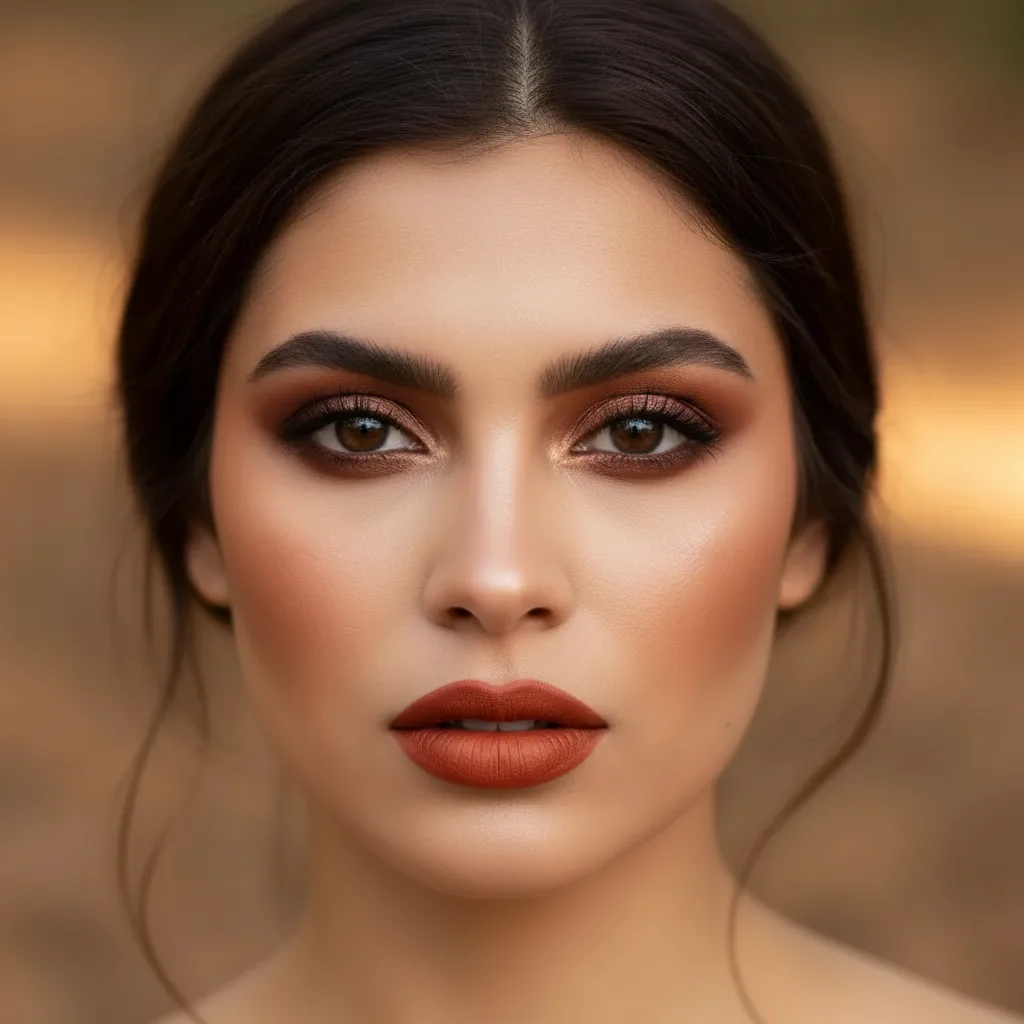
Your features carry saturated, pigmented makeup exceptionally well—a rare advantage worth embracing. Sheer, watery textures tend to disappear on Deep Autumns.
- Foundation: warm or neutral-warm, matched precisely to depth—shades that are too light make you look drained.
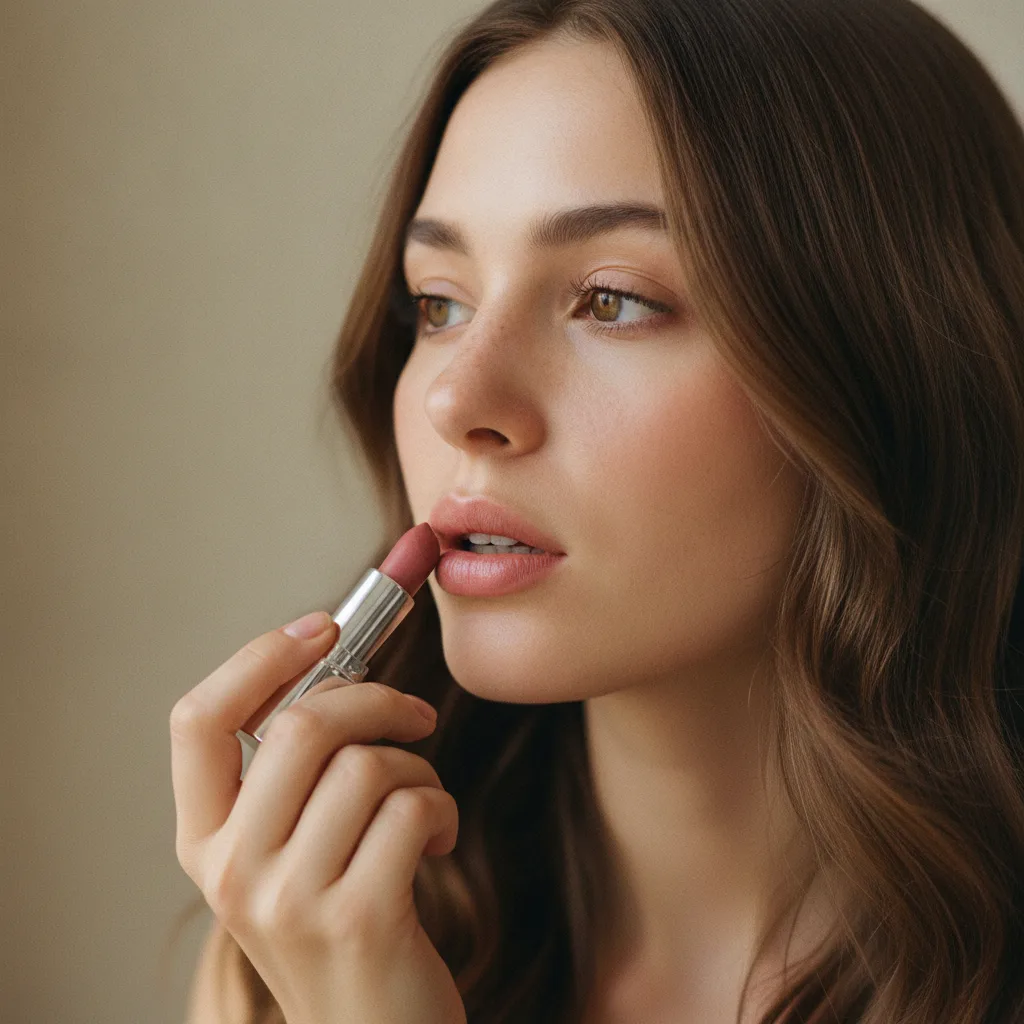
- Lips: brick red, burgundy, dark terracotta, and berry with a brown base. Steer clear of cool fuchsia and pale nude.
- Eyes: espresso, bronze, copper, and dark olive. Soft smoky eyes suit you beautifully, and dark brown or black eyeliner works well—unlike on soft types.
- Blush: warm brick, terracotta, and deep bronze rather than pink.
- Contour: warm golden-brown bronzer; never cool grey-toned contour powder.
Hair Color
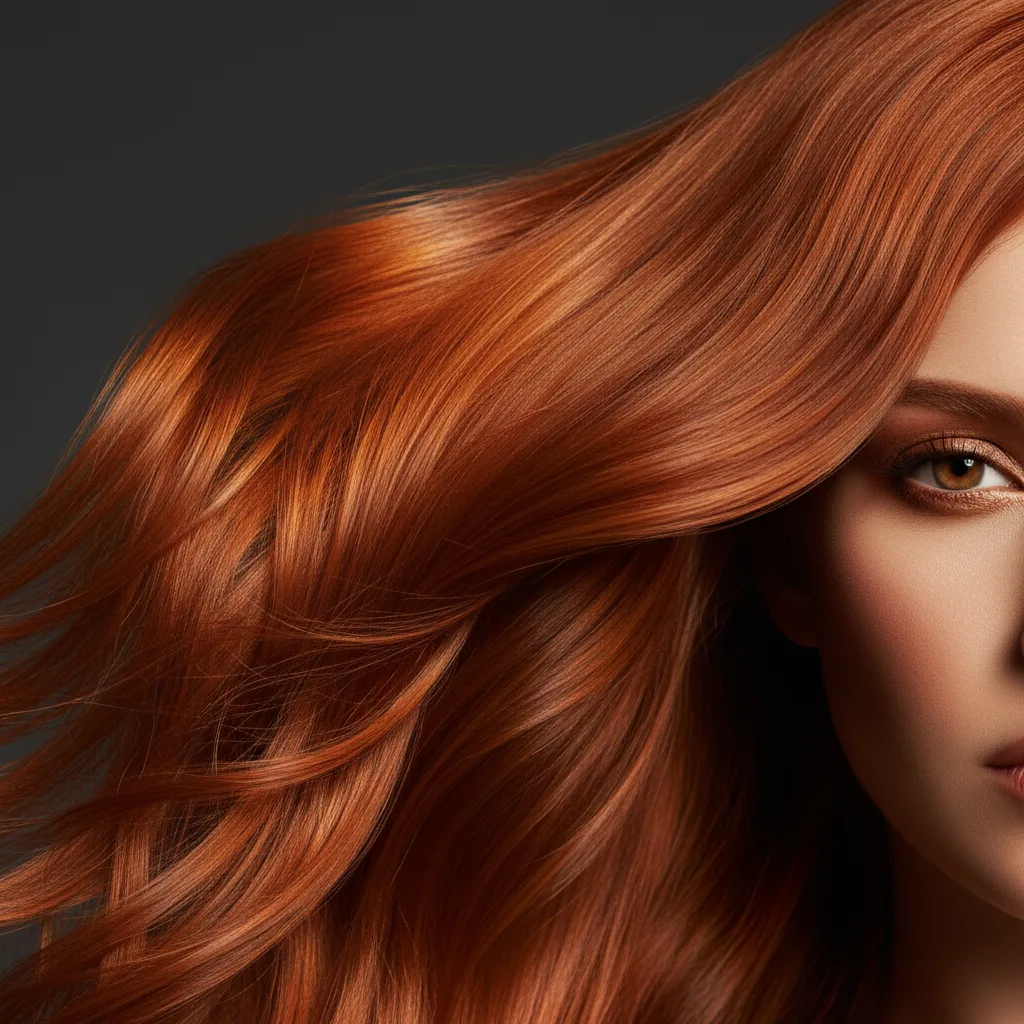
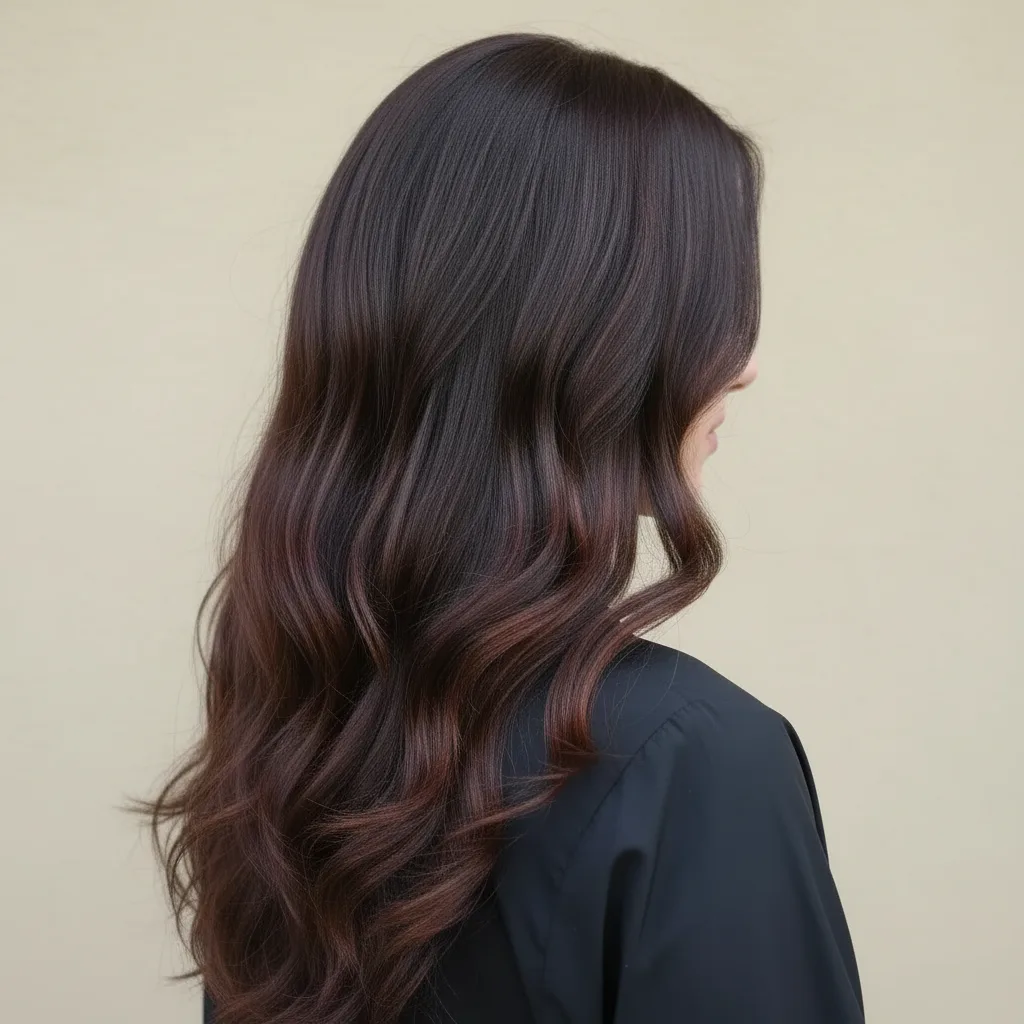
Stay within the rich, warm end of the spectrum: dark chocolate, deep chestnut, rich mahogany, dark auburn, or deep caramel highlights. Platinum blonde, cool ash tones, and stark blue-black work against you—the first two wash out your skin, while blue-black creates harsh disharmony.
Jewelry and Metals
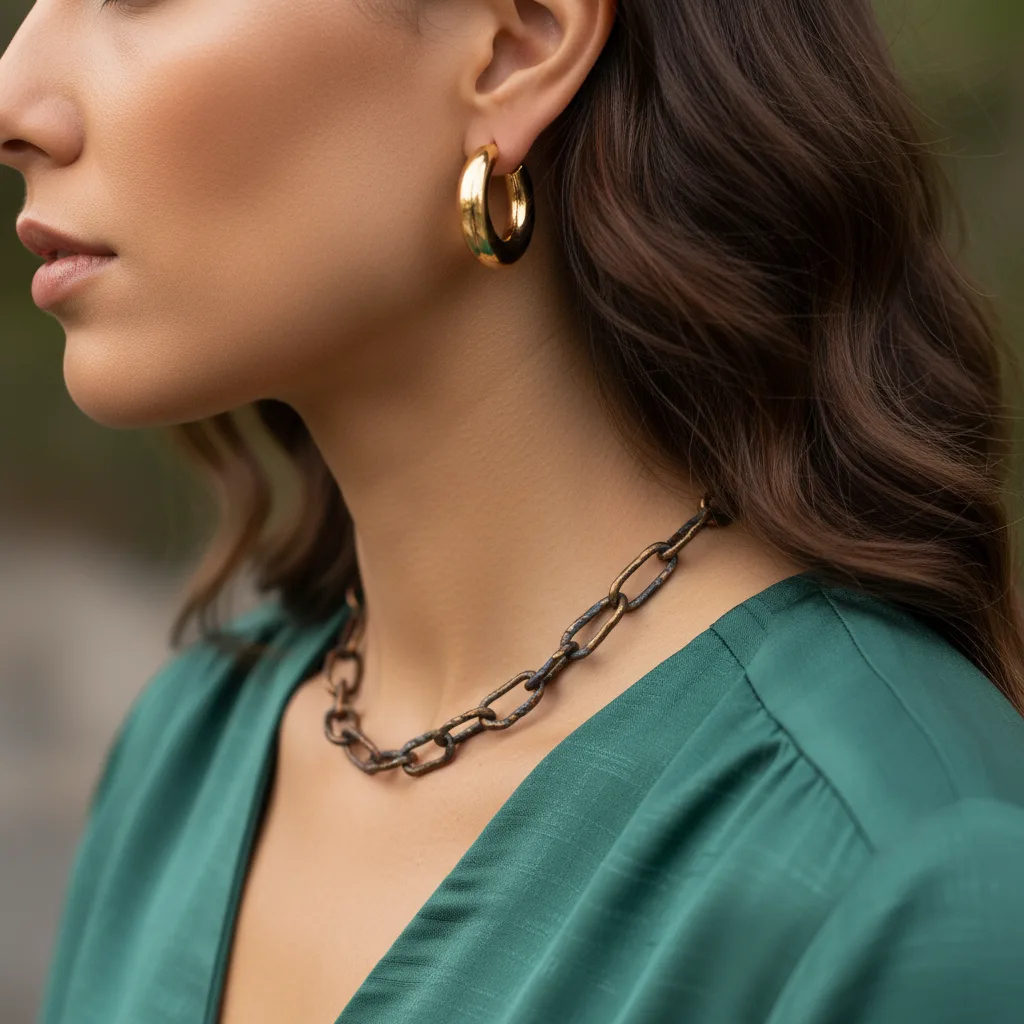
Your ideal metal is gold—and unlike Soft Autumn, you look best in rich, deep, antique gold finishes. Bronze, copper, and patinated brass are also excellent choices. High-shine silver feels cool and discordant against your skin, though oxidized or blackened silver can work.
For gemstones, choose garnet, amber, tiger's eye, malachite, and smoky topaz—anything with saturated, earthy warmth.
Capsule Wardrobe
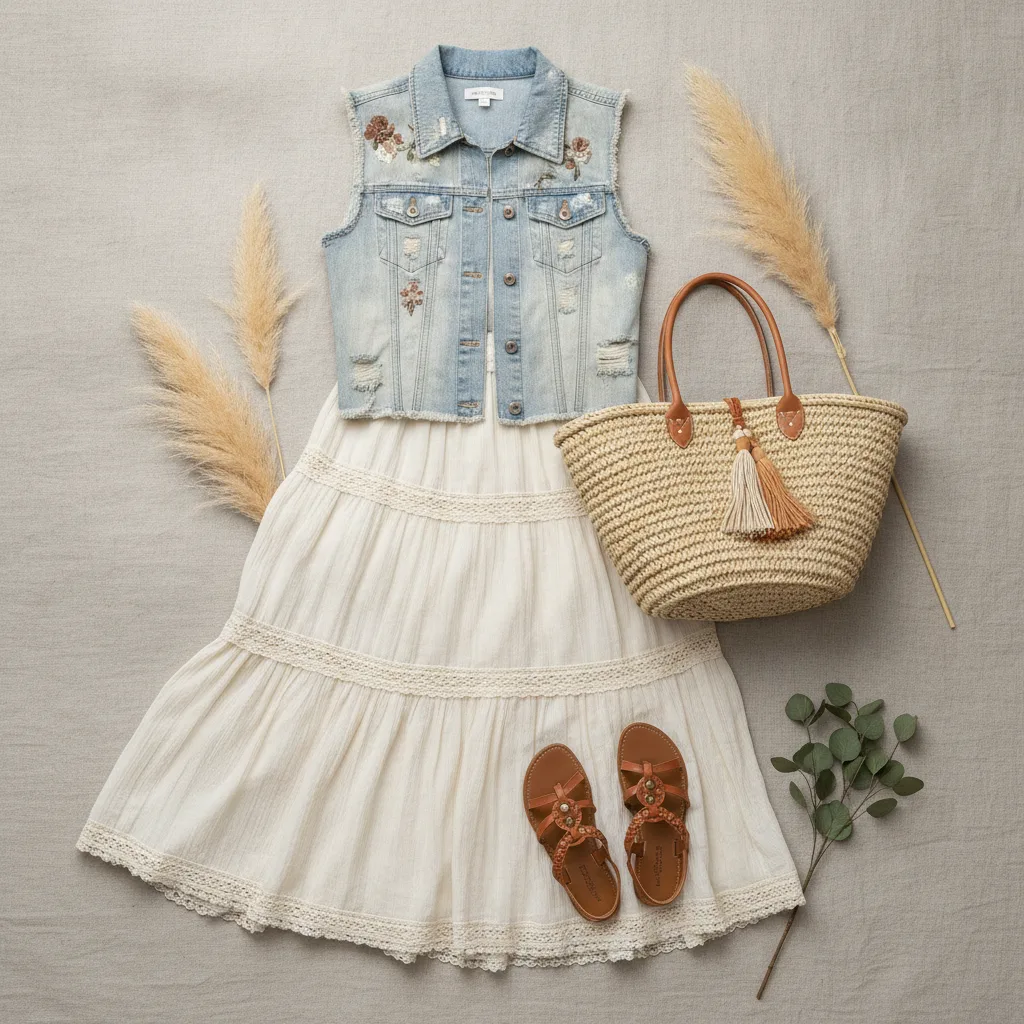
Deep Autumn is one of the few seasons that looks effortless in dark monochrome: a head-to-toe ensemble in rich chocolate or deep olive looks sophisticated without feeling heavy. High-contrast pairings also work well when both colors come from your palette.
Fabrics and Textures
Heavier, textured materials enhance your natural depth: tweed, corduroy, suede, leather, wool, cashmere, and heavyweight linen. Saturated colors look richer on textured surfaces than on flat weaves. In contrast, thin glossy silks and cheap synthetic satin can diminish your coloring's depth. For prints, look for plaid, tortoise patterns, leopard print, warm botanical motifs, and bold geometric shapes.
Key Wardrobe Essentials
- A tailored coat in dark chocolate or deep olive.
- Trousers in espresso and dark-wash jeans without icy blue undertones.
- Two or three layering tops in burgundy, rust, and forest green.
- Warm cream knitwear instead of stark white.
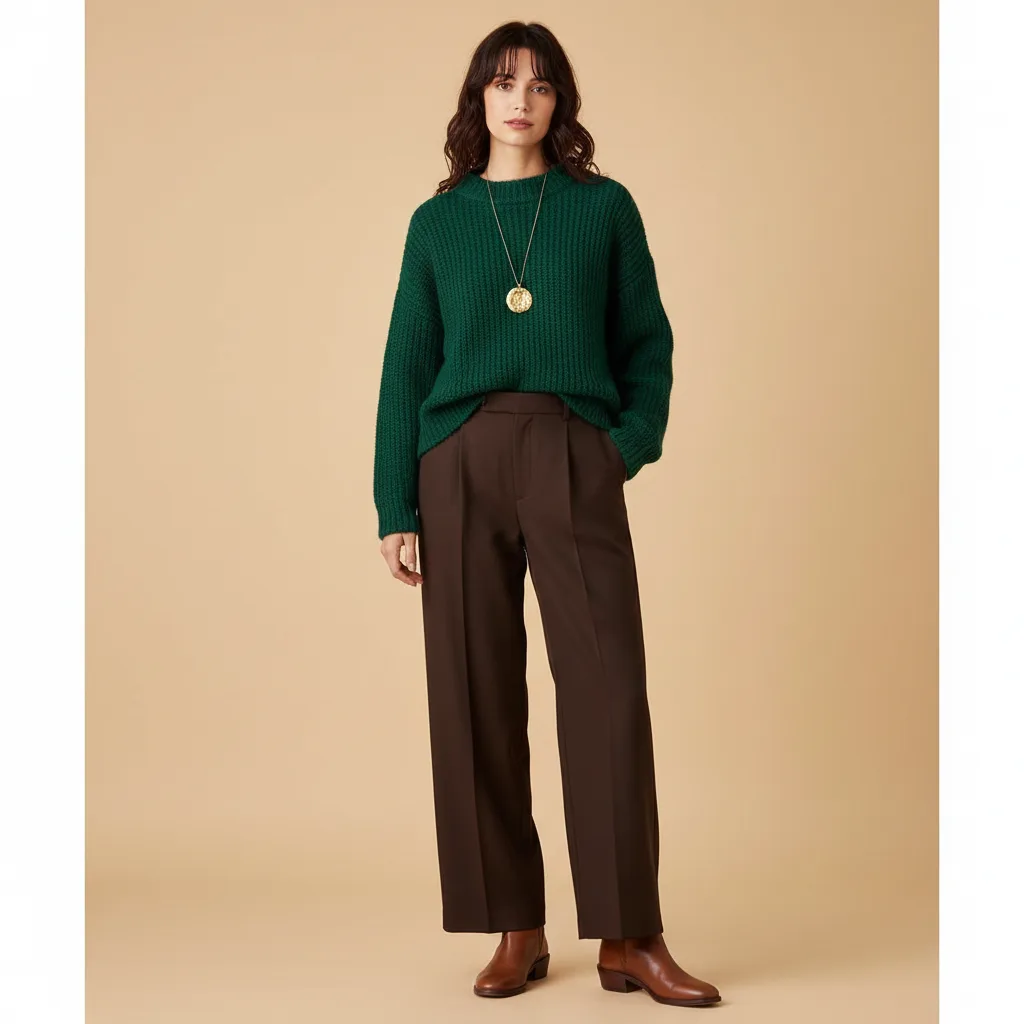
- Cognac leather boots and a matching handbag—warm leather complements your coloring naturally.
- A burgundy or forest green evening dress.
Three Go-To Outfit Formulas
- Work: cream button-up shirt, espresso trousers, cognac loafers, and antique gold earrings.
- Casual: forest green chunky knit, dark-wash denim, suede ankle boots, and a bronze pendant necklace.
- Evening: burgundy velvet or heavyweight silk dress, brick-red lipstick, and dark gold jewelry.
Deep Autumn for Men
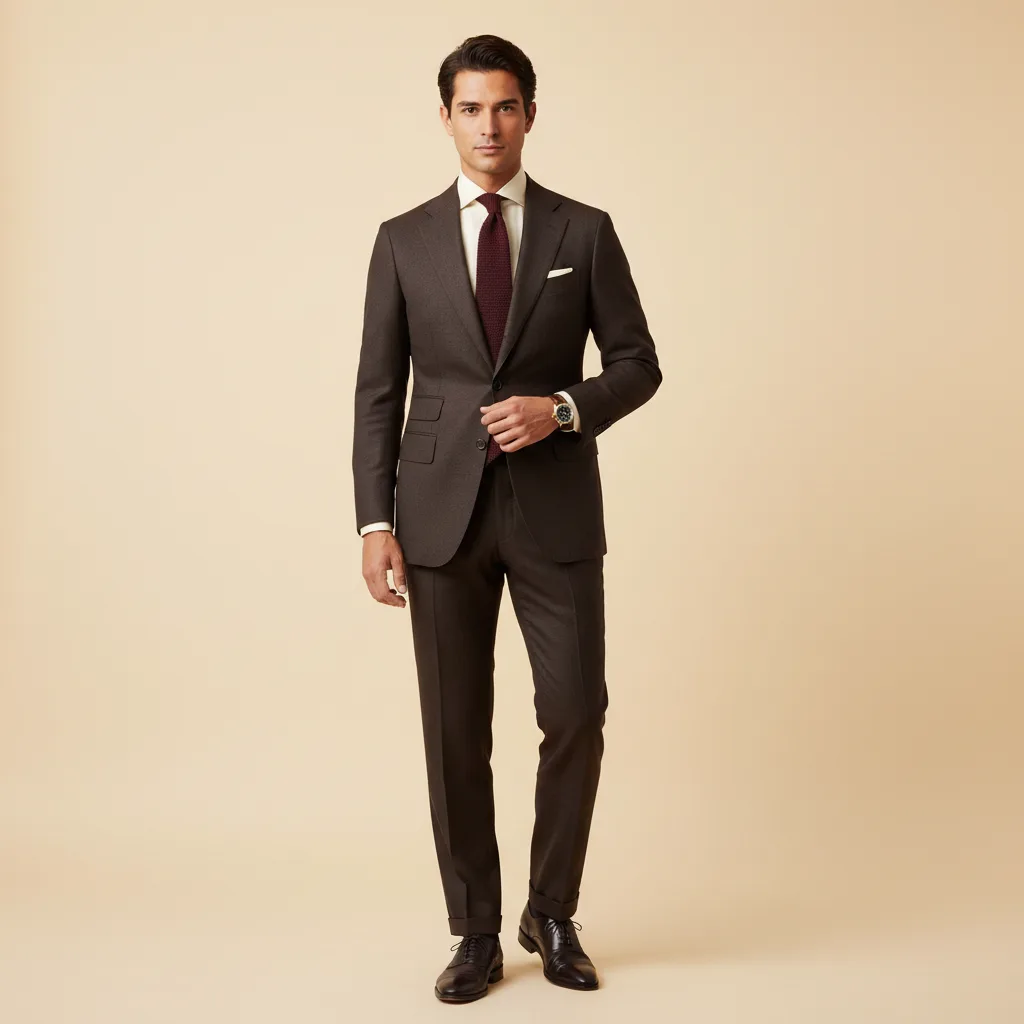
The same principles apply. Tailored suits in dark chocolate, deep olive, or warm charcoal replace harsh black. Opt for cream, warm sand, and dark olive dress shirts instead of stark optic white. Add ties in burgundy, rust, and forest green. Choose watches in warm gold or with rich brown leather straps. Dark rinse denim and rich brown leather boots form your ideal casual foundation.
Celebrity Examples
Seeing your color palette on familiar faces makes it easier to understand. Look up these celebrities to see how rich, warm tones near the face enhance their features while pastels and cool icy shades wash them out.
Gal Gadot
Warm skin, dark hair, and brown eyes; looks striking in burgundy and gold, but loses definition in pale pastels.
Halle Berry
A deep, warm palette with golden bronze skin—her best colors include mahogany, copper, and dark warm greens.
Priyanka Chopra
Often mistyped as a Winter due to high contrast, yet her skin is distinctly warm and golden, making rich autumn hues far more flattering than cool ones.
Natalie Portman
Dark hair and eyes paired with fair skin: high contrast with a warm undertone means chocolate and forest green flatter her far more than black.
Build your palette from your photo →
Frequently Asked Questions
Can Deep Autumn wear black?
Yes, but intentionally. Your contrast is high enough to carry the depth, but black is cooler than your natural undertone. Keep it on your lower half or add a warm accent near the face—such as gold jewelry, burgundy, or brick-red lipstick.
How can I tell Deep Autumn from Deep Winter?
Compare rust and cool raspberry red against your skin. If rust warms and enlivens your face, you are an Autumn; if raspberry looks clearer, you are a Winter. Both share depth, but differ in temperature.
What hair colors work best?
Dark chocolate, rich chestnut, mahogany, and deep auburn. Avoid platinum, ash tones, and flat blue-black.
Can Deep Autumn wear white?
Avoid optic, bright white. Your most flattering alternatives are cream, ivory, and warm buttermilk.
Can I wear silver jewelry?
Dark, oxidized silver works well. High-polish bright silver creates an icy disconnect against warm skin; antique gold, bronze, and copper are your ideal metals.
What should I wear in summer if my palette is dark?
Turn to the lighter, warmer neutrals within your spectrum: sand, warm khaki, terracotta, and rich cream. They maintain your undertone warmth without feeling too heavy in warmer weather.
Take the palette with you
The colour screen opens on your phone and works offline: hold it against a garment in the shop and compare.
Try the colours on yourself
Every tool runs on a single photo and follows your palette.