Eyebrow shapes
Ascending Brows: The Shape That Visually Lifts Your Face
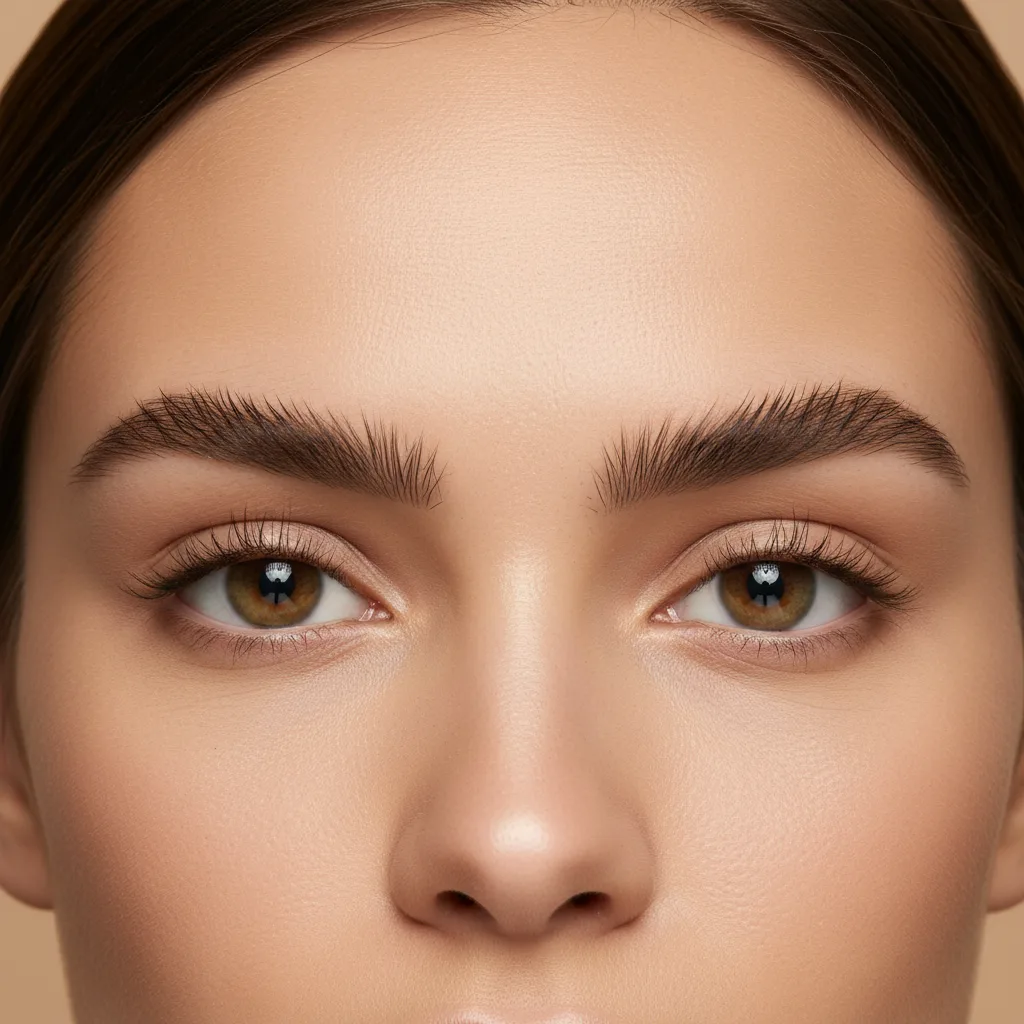
When the tail of the brow ends higher than its head, it creates an instant visual lift that opens downturned eyes and erases signs of fatigue. Yet balance is crucial, as too much elevation can make your expression look overly harsh. Here is how an ascending brow differs from a high arch, who benefits from it most, and how to shape it properly.
What Is an Ascending Brow?
An ascending shape is one where the tail ends higher than the head of the brow begins. The overall line travels upward, even if there is a defined peak along the way. This sets it apart from most standard brow shapes, where the tail naturally drops below the starting point.
This shape functions like an instant visual face-lift: it elevates the outer corner of the eye, counteracting sagging and signs of fatigue. That is why it is especially popular on mature faces—and also why it is remarkably easy to overdo.
How Much Lift Is Ideal?
It is enough for the tip of the tail to sit above the head by about one-third of the brow's thickness. That subtle rise is plenty to give the face an uplifted look. Anything steeper risks looking predatory or creating an unintentionally haughty expression.
A quick way to check: hold a pencil horizontally across the base of your brow head. The tail should peek above the pencil line, but by no more than the width of the pencil itself.
Who It Flutters
- Downturned outer eye corners — an ascending brow provides direct visual compensation, balancing the downward slope.
- Mature faces — it visibly lifts the upper third of the face without cosmetic procedures.
- Tired-looking expressions — if people often ask if you are tired, downward-sloping brow tails are frequently the culprit.
Which shape does your face ask for?
Upload a photo: your facial proportions are measured, and the shape follows them rather than a trend.
Analyze my browsWho Should Avoid It
Naturally upturned outer eye corners. An ascending brow doubles down on that upward angle, making the facial features look overly sharp.
Narrow or elongated face shapes. Upward diagonal lines add vertical pull, lengthening the face even further.
| Feature to Consider | Is Ascending Suitable? |
|---|---|
| Downturned eye corners | Yes, provides balance |
| Upturned eye corners | No, too sharp |
| Mature features | Yes, provides a lift |
| Elongated face shape | No, lengthens further |
How to Shape It
An ascending line is created by adjusting only the tail, not the entire brow: remove stray hairs along the lower border of the outer third so the tip angles upward. Leave the upper edge of the tail intact, or the brow will simply end up looking cut short.
Be careful not to trim away the entire tail in an attempt to force a lift; a shortened brow with an abruptly raised tip looks drawn-on and unnatural. Maintain standard brow length, ending along the diagonal from the nostril through the outer corner of the eye.
The Most Common Mistake
The most frequent error is completely plucking away the natural tail and drawing a new one higher up. While this can look passable in front-facing photos, it fails in everyday life: from side angles, the bare skin beneath the drawn line is clearly visible. An ascending shape must be grounded in your natural hair growth, which is why the lift is capped at a modest fraction of your brow height.
Frequently Asked Questions
Is an ascending brow the same as an arched brow?
No. A classic arched brow has an angle after which the tail slopes downward. An ascending brow maintains a continuous upward direction, with its tail ending above the head. You can combine both: an arch with a slightly elevated tail is a great option for a round, mature face.
Does this shape help with hooded eyelids?
Partially. Hooding is primarily opened up by the height of the arch itself rather than the tail angle alone. An ascending tail complements that lift, but you should focus first on refining the peak of the brow.
How long does the effect last?
Until the trimmed hairs beneath the tail start growing back, which usually takes three to four weeks. After that, the line naturally reverts to its original slope, so the shape requires a monthly touch-up or daily styling with a strong-hold brow gel.