Winter · Cool undertone
Deep Winter: The Definitive Color Season Guide
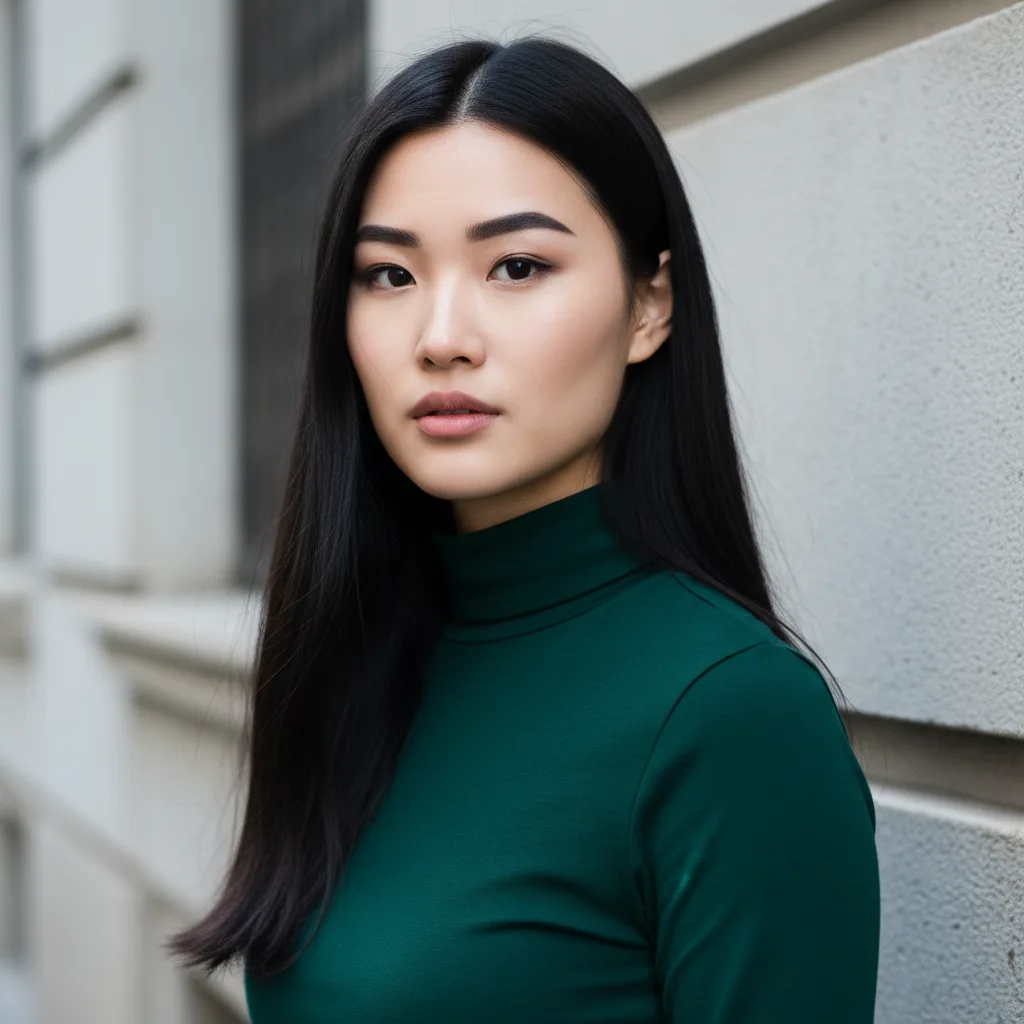
If rich, saturated jewel tones like emerald, wine, and midnight blue bring your features to life while muted earthy shades wash you out, you are likely a Deep Winter. Sitting at the highest contrast point of the seasonal system, this is the one color type that wears true black effortlessly.
How to Tell If You Are a Deep Winter
Deep Winter is defined by two key characteristics in strict order of priority: depth first, coolness second. It is the most intensely contrasted palette across all seasonal systems—and the only one where solid black is not merely tolerated, but looks exceptionally striking. Your main stylistic pitfall is softness rather than darkness: dusty, heathered, and faded colors tend to look dull and lifeless on you.
Evaluate your features in natural daylight without makeup against these three core indicators.
Skin
Cool or neutral-cool: ranging from porcelain and cool olive to deep, rich tones with a distinct blue or cool undertone. Overall skin depth matters far less than the fact that polished silver flatters your complexion much better than warm gold, and bold, cool pigments harmonize seamlessly with your skin tone.
Eyes
Dark, defined, and intense: near-black, deep brown, cool pine green, or icy steel-blue. The iris has crisp definition and often creates a sharp contrast against the clear whites of the eyes—a hallmark feature of the Winter family.
Hair
Deep and cool-toned: rich espresso, blue-black, or dark ash brown with zero red or golden undertones. This distinct lack of warmth is the primary distinction between you and Deep Autumn, the season with which you are most frequently confused.
The Contrast Check
You have a significant value gap between your hair, eyes, and skin—the classic high-contrast look, regardless of whether your skin is fair or deep. This level of natural contrast requires crisp, definite color combinations: crisp white with black, bright emerald with pure white, or deep wine with silver. Soft, blended, low-contrast outfits will leave you looking washed out.
Find your seasonal color palette with a photo test →
The Deep Winter Color Palette
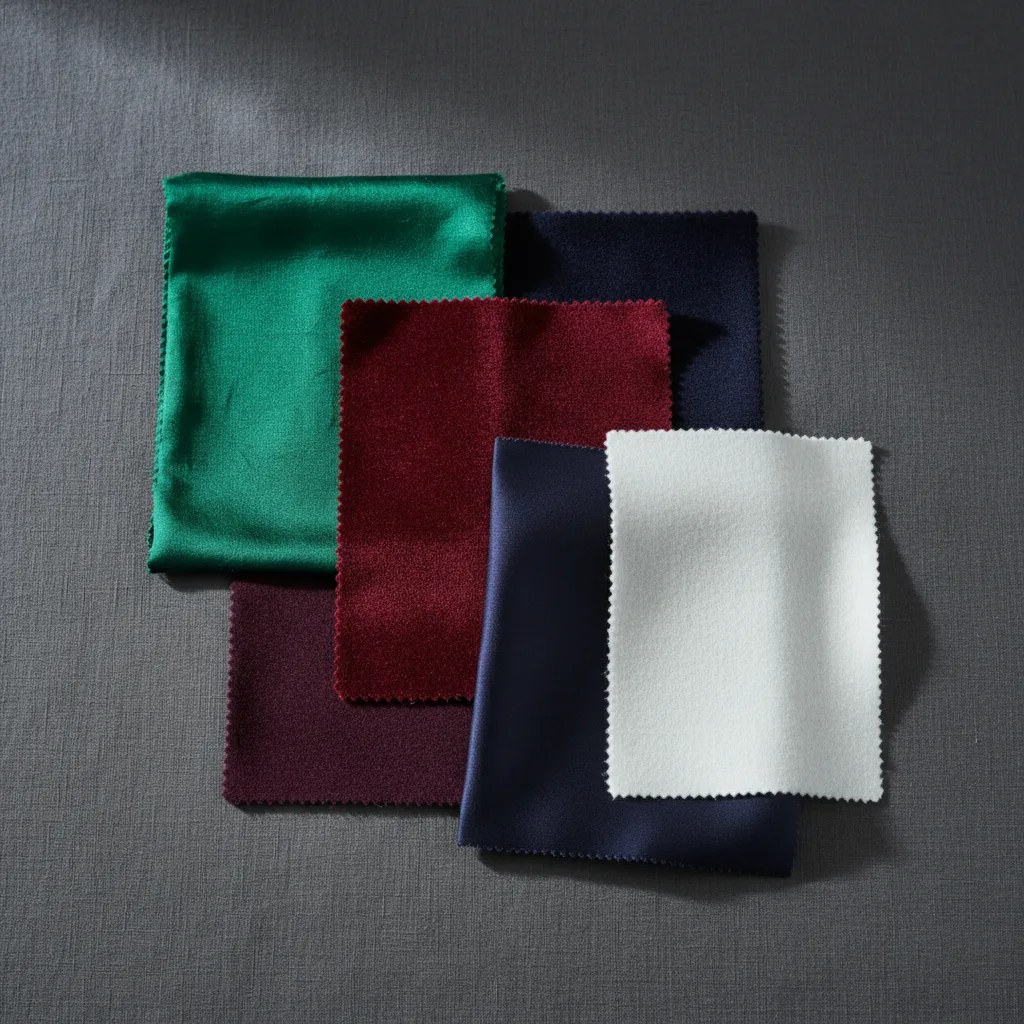
Think of fine gems displayed against black velvet: opulent, clear, and intensely saturated. Your palette contains neither muted, powdery tones nor warm golden undertones.
Accent Colors
Wear these close to your face—they directly reflect onto your complexion:
- Emerald green — the signature benchmark hue for this season, universally flattering.
- Cool-toned burgundy and wine — your definitive evening red.
- Deep plum — an intense, rich purple that brings clarity to your skin.
- Midnight blue — a sophisticated, high-end alternative to black for tailoring.
- Deep turquoise — saturated and distinctly cool, never tropical or pastel.
- Pure white — the only light neutral that truly works near your face.
Neutral Base & Why Black Works for You
Your core neutrals include true black, dark graphite, midnight blue, charcoal, and optic white. Black worn near the face works effortlessly for Deep Winter because your natural contrast matches its intensity: it does not cast shadows under your eyes, but instead anchors the natural depth of your hair and gaze.
The only caveat: wear black in substantial, smooth, or matte textures and keep it crisp, avoiding washed-out vintage charcoal washes. Swap warm beige for crisp white and cool icy greys—warm nudes and camel will make your complexion appear tired and muddy.
Colors to Avoid
- Warm beiges and wheat — cast a yellow, sallow cast over your skin.
- Peach and salmon — the most unflattering color family for your cool undertone.
- Dusty, muted tones — shades that flatter Soft Autumn or Soft Summer will completely wash you out.
- Orange and mustard — overly warm, earthy, and jarring against your features.
- Cream and ivory — your whites need to be cold, crisp, and bright.
These are not absolute prohibitions, but strategic guidelines—keeping them in mind is most impactful around your face and neck.
Deep Winter vs. Neighboring Seasons
Mistakes when determining this season almost always come down to one of two variables: color temperature or chroma (clarity).
| Attribute | Deep Winter | Deep Autumn | Cool Winter |
|---|---|---|---|
| Dominant trait | Dark / Deep | Dark / Deep | Cool |
| Temperature | Cool (neutral-cool) | Warm (neutral-warm) | Distinctly cool |
| Contrast level | Very High | High | High |
| Test color | Emerald green | Rust / Terracotta | Icy pink |
| Best metal | Polished silver | Antiqued / Yellow gold | Platinum, white gold |
Deep Winter vs. Deep Autumn: Temperature Is Key
Both seasons share deep value and high contrast, making them easy to confuse. Undertone is the deciding factor.
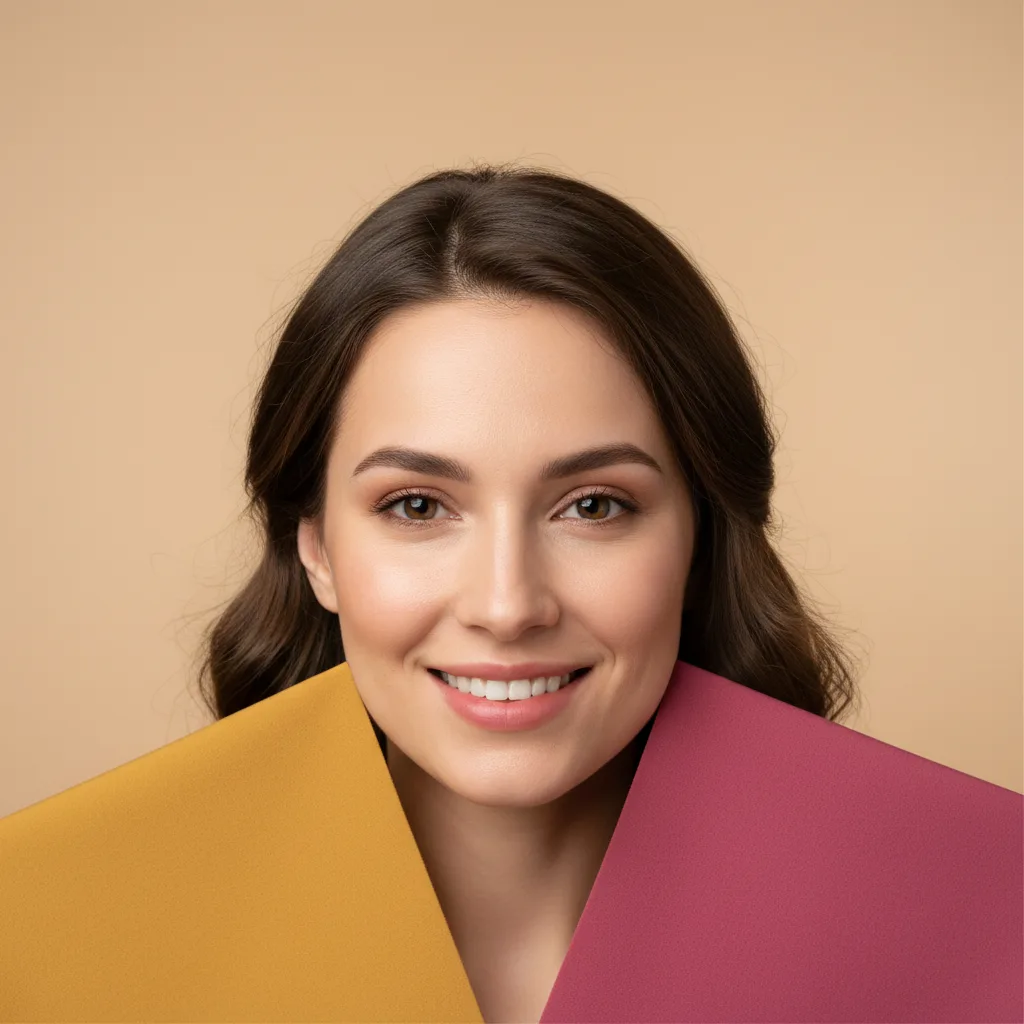
Quick drape test: Hold a rich emerald green fabric near your face, followed by warm terracotta or rust. If emerald clarifies your skin and rust makes it look sickly or overly yellow, you are a Deep Winter. If the reverse happens, look into Deep Autumn.
Deep Winter vs. Cool Winter: A Question of Depth
Cool Winter thrives in icy, medium-bright tones such as frosty pink and glacier blue. Deep Winter requires substantial value depth: if pale icy shades feel too stark or lightweight, while deep wine and forest green feel grounded and flattering, you lean Deep.
Deep Winter vs. Bright Winter: Saturated vs. Dark
Bright Winter handles blinding, ultra-vivid brightness: electric cobalt, hot magenta, and neon lime. Deep Winter needs a deeper, blackened variation of those same hues—midnight navy instead of electric cobalt, and rich bordeaux instead of hot magenta.
Makeup Recommendations
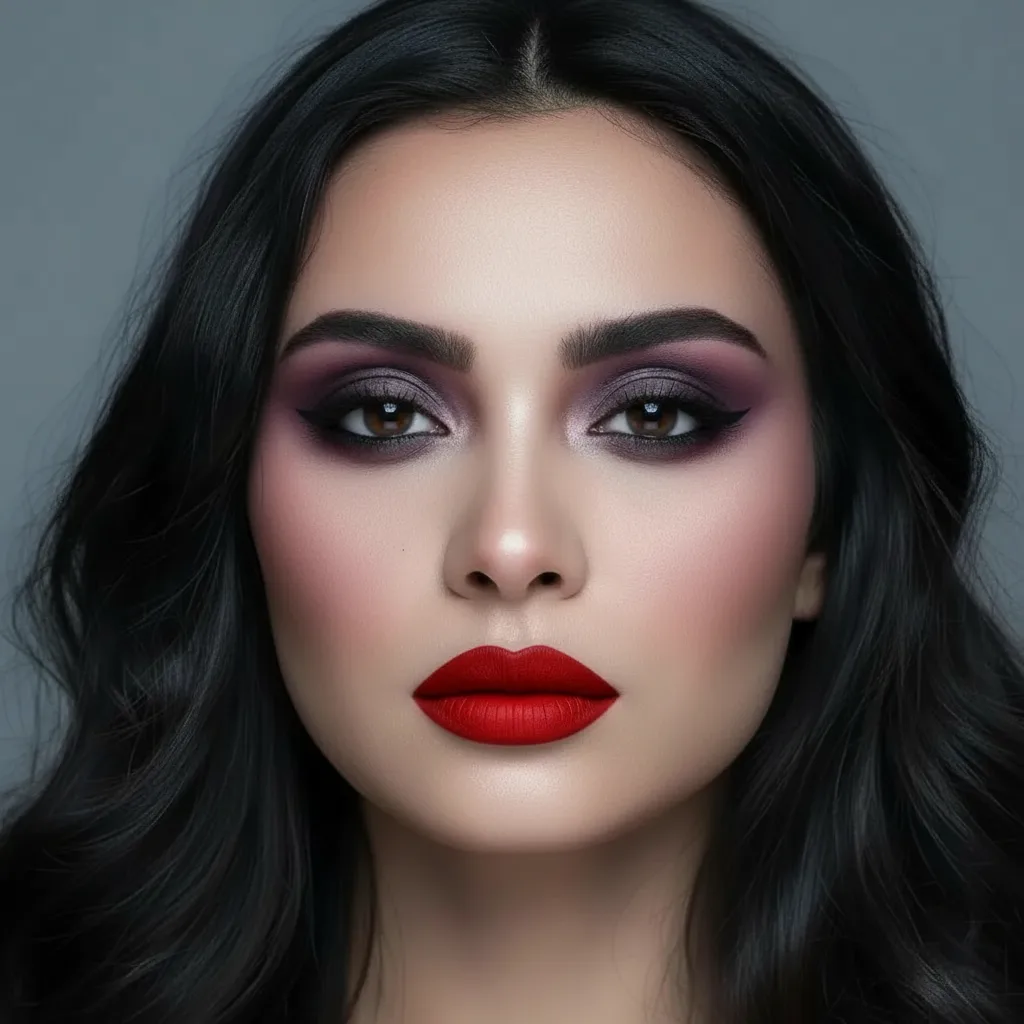
Deep Winter is one of the rare palettes where bold, dramatic makeup looks natural and refined, whereas bare, low-contrast makeup can make you look washed out. Defined lines and deep pigment are your greatest assets.
- Foundation: Cool or neutral-cool, matched precisely to depth. Avoid warm golden foundations, which will sit on your skin like a mask.
- Lips: True crimson, deep bordeaux, dark plum, and rich cool berry. Skip peachy or warm terracotta nudes entirely.
- Eyes: Sharp black liquid liner and defined wings flatter you naturally. For shadows: charcoal, deep plum, blackened emerald, and icy silver.
- Blush: Cool rose, raspberry, and deep berry tones rather than warm peach or coral.
- Contour: Neutral-cool taupe contour powders; warm bronzers read muddy and unnatural on your skin.
Hair Colors
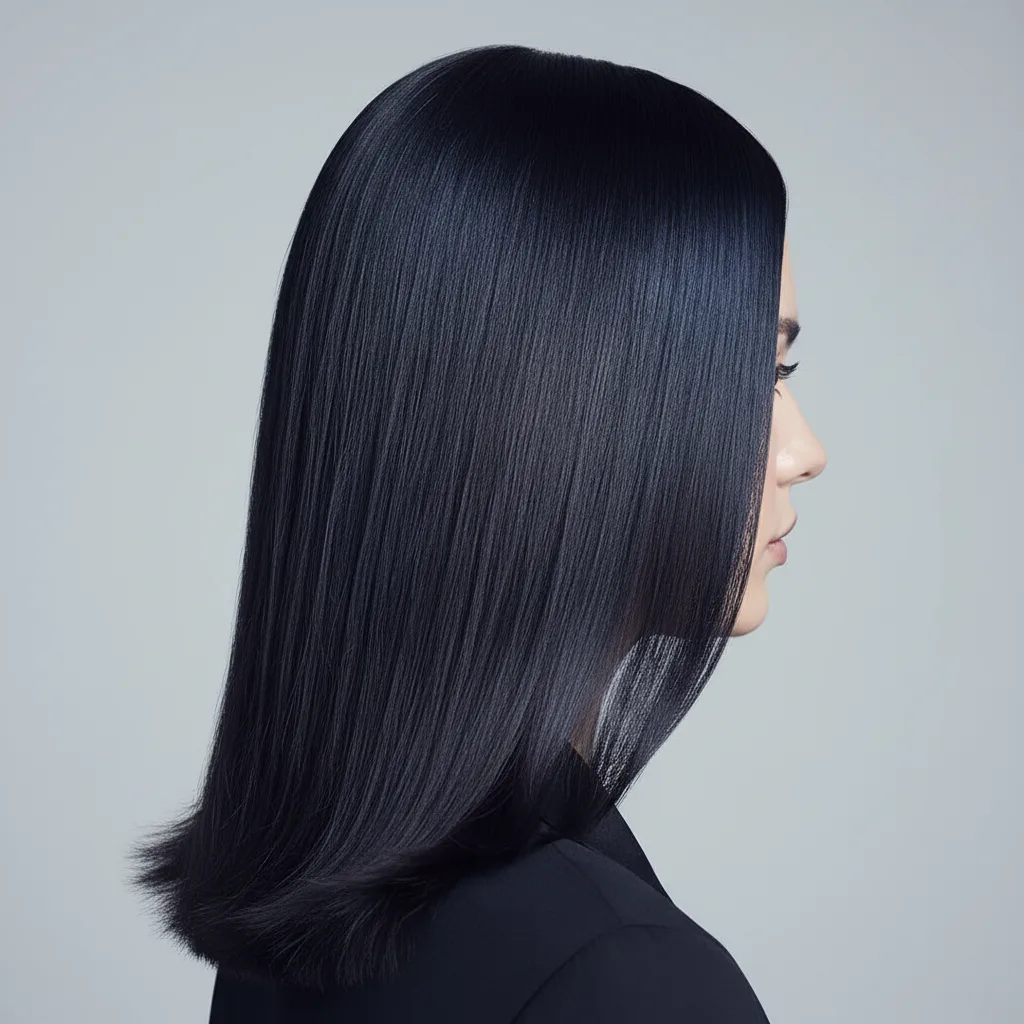
Your ideal range is deep and cool: dark espresso, blue-black, cool dark brunette, or deep bitter chocolate with zero brassy notes. Avoid golden blonde, copper, honey highlights, and warm caramel balayage—lightening your hair weakens the natural contrast that gives your face its strike and clarity.
Jewelry and Metals
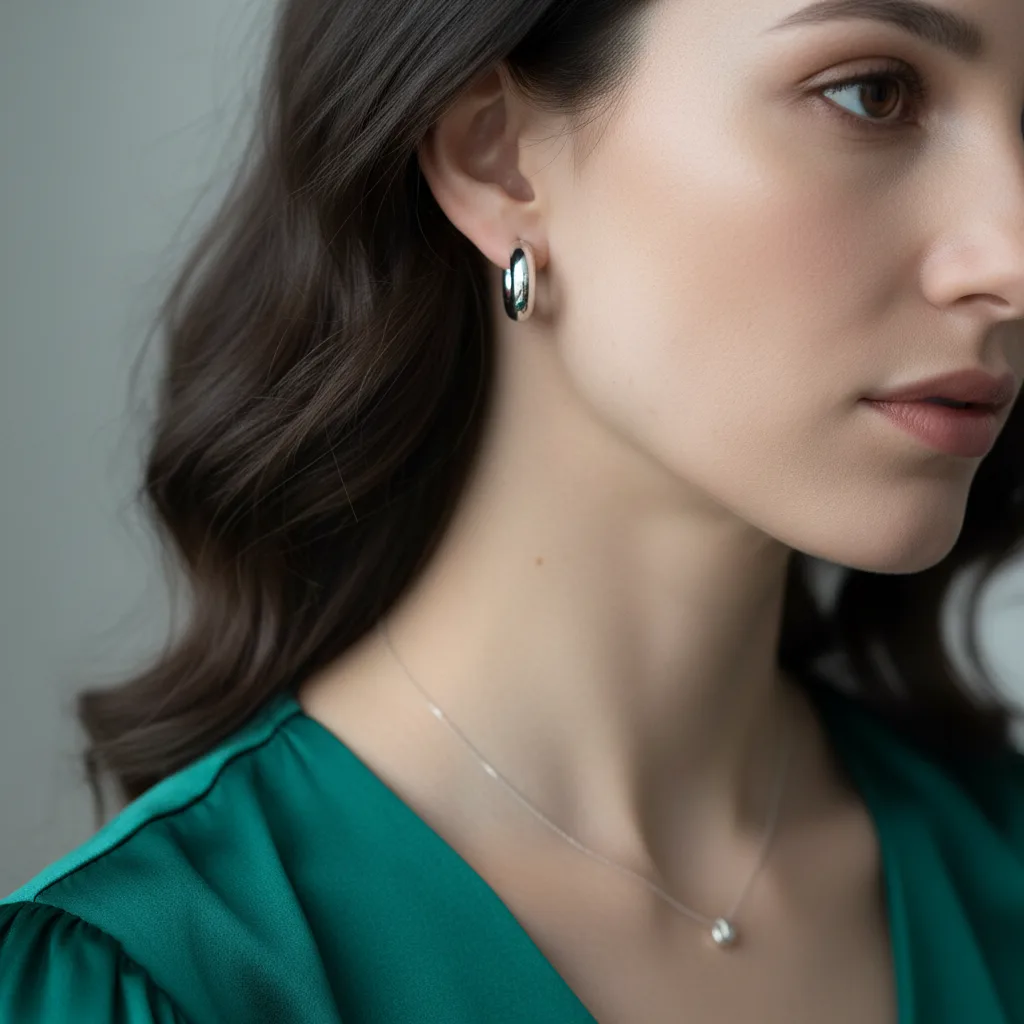
Your best metals are high-shine sterling silver, platinum, white gold, and gunmetal steel. Polished, reflective finishes are ideal: mirror-like surfaces echo your natural high contrast, whereas antiqued, matte, or brushed textures can look dull against your coloring.
Yellow gold should be avoided unless it is very pale or layered minimally; rich yellow or rose gold clashes with your cool skin tone. When selecting gemstones, opt for black onyx, royal sapphire, genuine emerald, deep garnet, amethyst, and pearls with a cool, silvery sheen.
Verify your color palette with an online analysis →
Building a Deep Winter Capsule Wardrobe
Deep Winter is the only season that commands classic black-and-white color blocking effortlessly. Combinations that look harsh on others appear sharp, grounded, and elegant on you.
Fabrics and Textures
Look for materials with structure and clear surfaces: crisp heavy cotton, cool-lustre silk, structured wool, smooth leather, and fine cashmere. High-shine fabrics, patent leather, and satin work in your favor. Avoid distressed finishes, warm-toned boucle tweed, and faded vintage washes. For prints, choose crisp monochrome stripes, stark windowpane checks, and bold geometric graphics.
Core Wardrobe Essentials
- A tailored black wool coat or a deep midnight-navy trench.
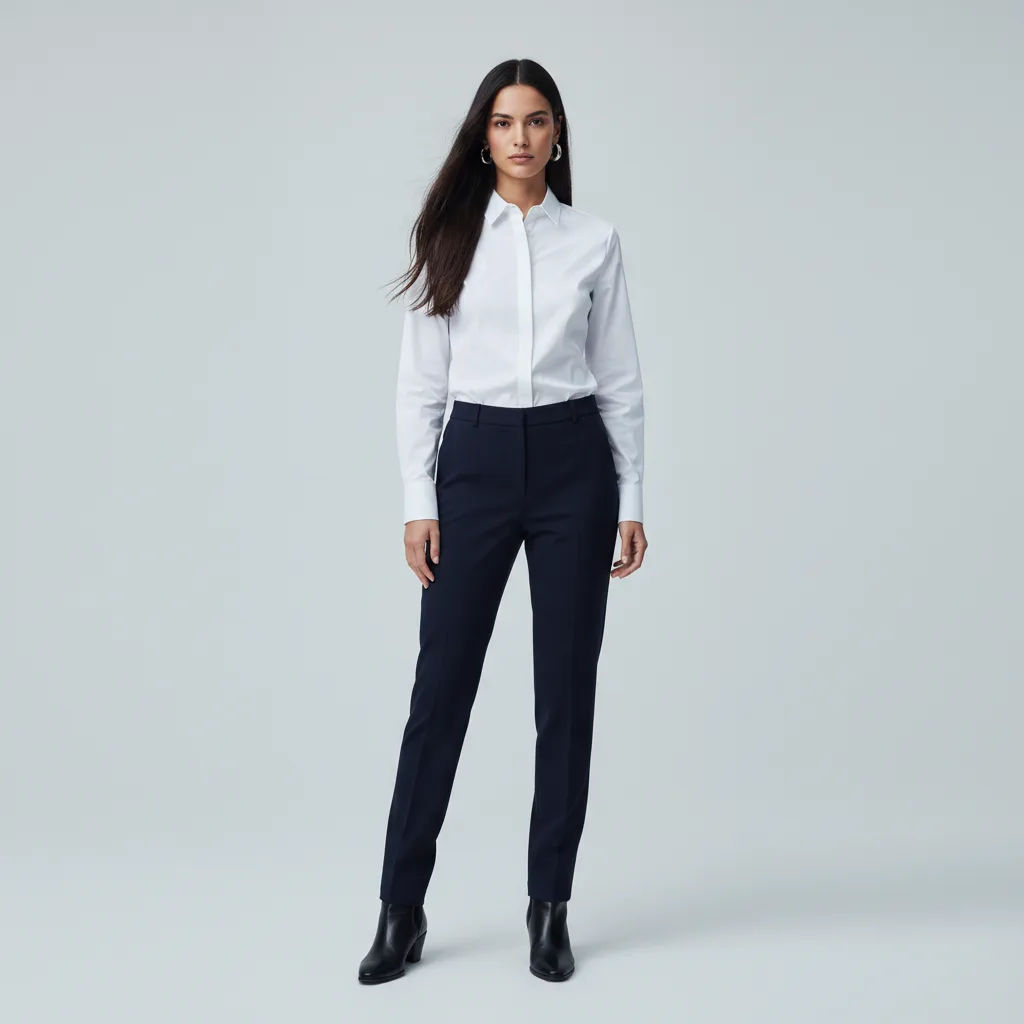
- A crisp, pure optic white button-down shirt.
- Tailored trousers in pitch black and deep charcoal.
- Two or three knit tops in signature jewel tones: emerald, bordeaux, and plum.
- Smooth black leather loafers or pointed pumps.
- A floor-length or cocktail dress in rich wine or dark emerald.
Three Go-To Outfit Formulas
- Work: Crisp white poplin shirt, charcoal tailored trousers, pointed black pumps, silver huggie earrings.
- Casual: Chunky emerald crewneck sweater, dark-rinse indigo jeans, sleek black leather boots.
- Evening: Deep wine slip dress in smooth silk, crimson lipstick, statement silver jewelry.
Deep Winter Guide for Men
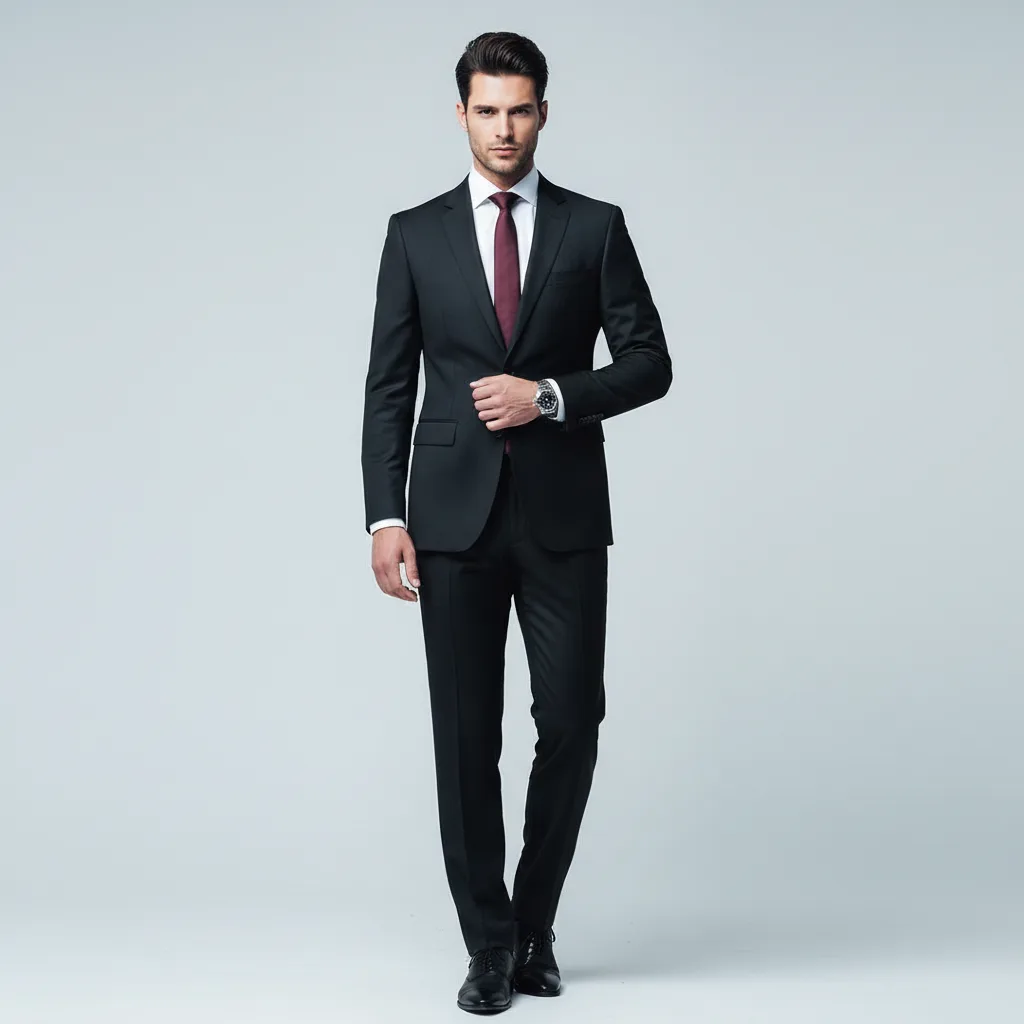
The same principles apply. Suits in solid black, deep charcoal, or midnight navy are timeless, powerful staples. Pair them with pure white or icy pale blue dress shirts. Choose ties in jewel tones: rich bordeaux, bottle green, and dark sapphire. Watches should feature stainless steel, white gold, or silver cases. Clean, dark-rinse raw denim and smooth black leather shoes form the ultimate casual base.
Celebrity Examples
Studying celebrities with your color type is the fastest way to visualize these guidelines in action. Search these names and notice how jewel tones and stark contrast elevate their presence, while warm earthy colors make them appear washed out.
Megan Fox
Dark hair combined with piercing eyes and cool skin—a textbook example of high contrast flattered by saturated, jewel-toned pigments.
Lucy Liu
Cool undertone paired with near-black hair and eyes; emerald and deep berry complement her far better than warm earth tones.
Courteney Cox
The archetypal Winter pairing of dark hair and fair cool skin, making crisp optic white and solid black natural go-to colors.
Elizabeth Taylor
The classic icon: raven hair, porcelain skin, and striking cool eyes that command bold, clean gem colors.
Get your personalized seasonal palette from your photo →
Frequently Asked Questions
Does black genuinely suit Deep Winter?
Yes. Deep Winter is the only seasonal subtype where true black is unconditionally flattering. Your natural contrast matches the intensity of black, so it frames your features rather than casting dark shadows beneath them.
How do I tell if I am Deep Winter or Deep Autumn?
Hold emerald green and warm rust up to your face in natural light. If emerald clarifies your skin and rust makes you look sallow, you are a Deep Winter. If rust looks harmonious and emerald looks harsh, you are a Deep Autumn.
What hair colors work best for Deep Winter?
Dark espresso, blue-black, and cool dark ash brown. Steer clear of golden blonde, copper, and warm caramel balayage, which undermine your natural contrast.
Can a Deep Winter wear beige?
Standard warm camel and beige will make your skin look tired. Replace them with cool dove grey, crisp optic white, or very pale icy blue as your light neutrals.
Can I wear gold jewelry?
Only cool-toned metals like white gold, platinum, and sterling silver are recommended. High-carat yellow gold and warm rose gold will clash with your cool skin undertones.
What should a Deep Winter wear in summer?
Rely on crisp optic white, icy pale grey, emerald, and deep turquoise in lightweight linens and silks. Your light palette consists of clean, cool icy tones rather than warm, dusty pastels.
Take the palette with you
The colour screen opens on your phone and works offline: hold it against a garment in the shop and compare.
Try the colours on yourself
Every tool runs on a single photo and follows your palette.