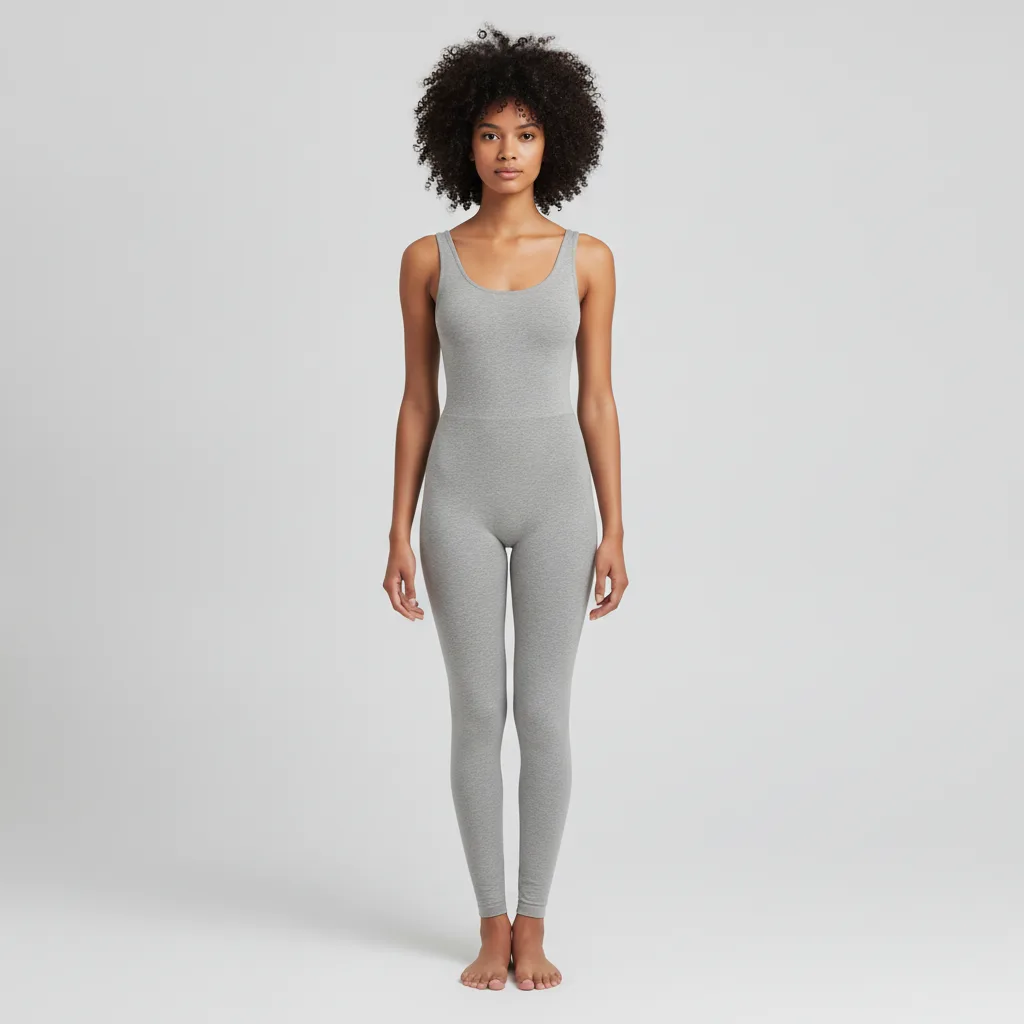
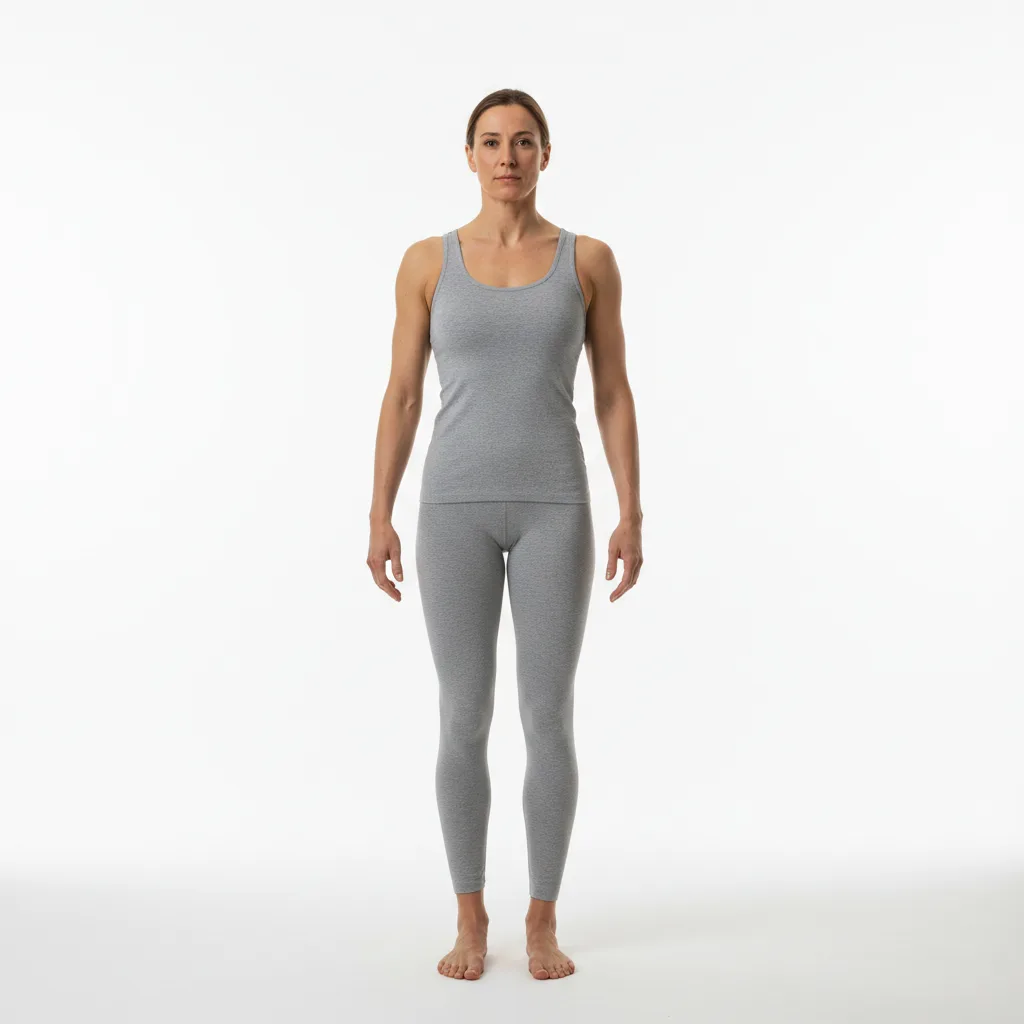
Body shape · hips wider than shoulders
The Ultimate Pear Body Shape Style Guide
Wider hips, a defined waist, and narrower shoulders characterize the classic pear shape—the most common silhouette, yet one often weighed down by outdated advice about hiding your curves. The real secret is balancing your proportions by adding visual width to your upper body. Here is how to use cuts, colors, and textures to build a wardrobe that flatters you effortlessly.
How to Tell If You Have a Pear Body Shape
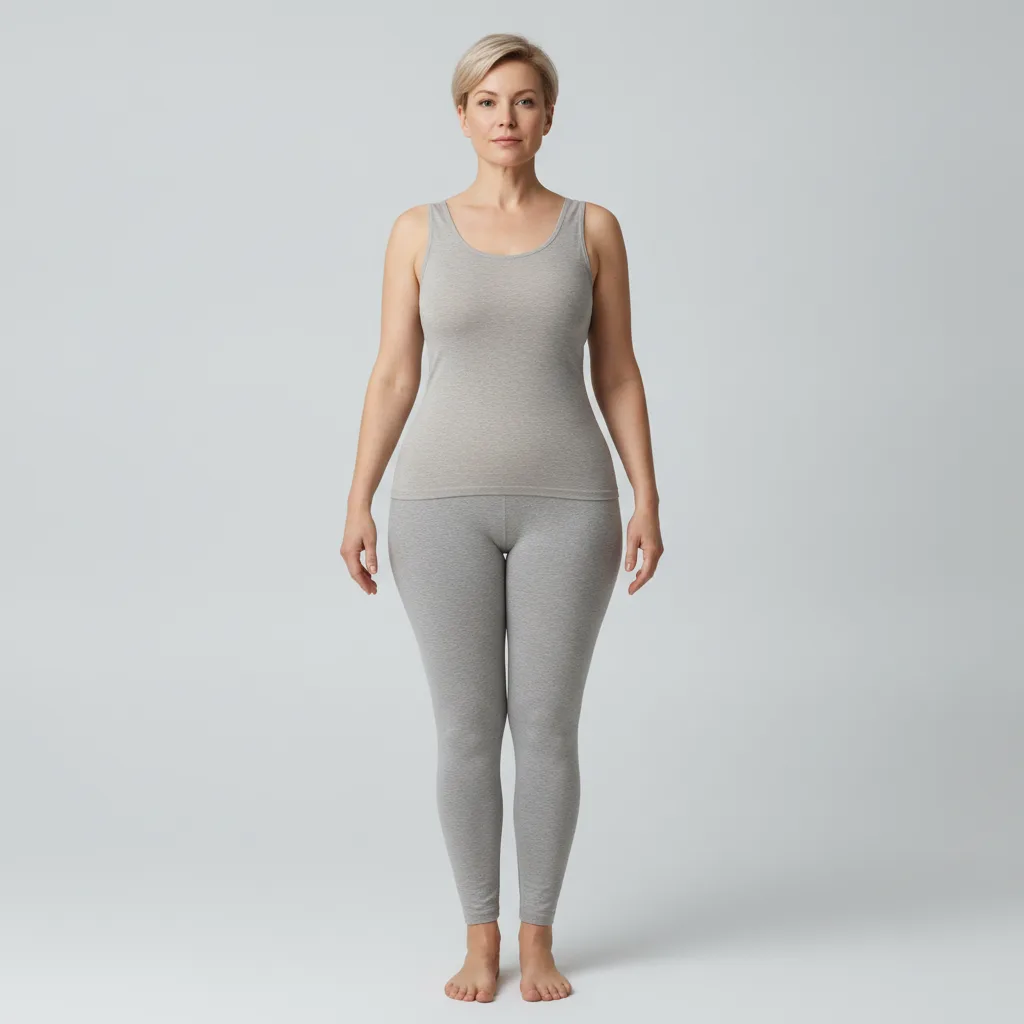
The pear shape (also known as the triangle) is defined by one core measurement: your hips are at least 5% wider than your shoulders. Your waist is typically well-defined, though its exact measurement doesn't determine the shape—what matters is the ratio between your upper and lower body.
Stand upright in fitted clothing and check these three key points:
Shoulders
Measure across the widest point of your shoulder line. Pear shapes have relatively narrow and often sloping shoulders: button-downs fit easily across the chest and shoulders but pull at the hips, and shoulder seams sometimes sit slightly inward.
Hips
Measure around the fullest part of your hips and rear—usually the mid-to-lower glutes or around the high thigh line. If this measurement exceeds your shoulder width by 5 cm (2 inches) or more at standard sizing, you have a pear silhouette.
The Ultimate Mirror Test
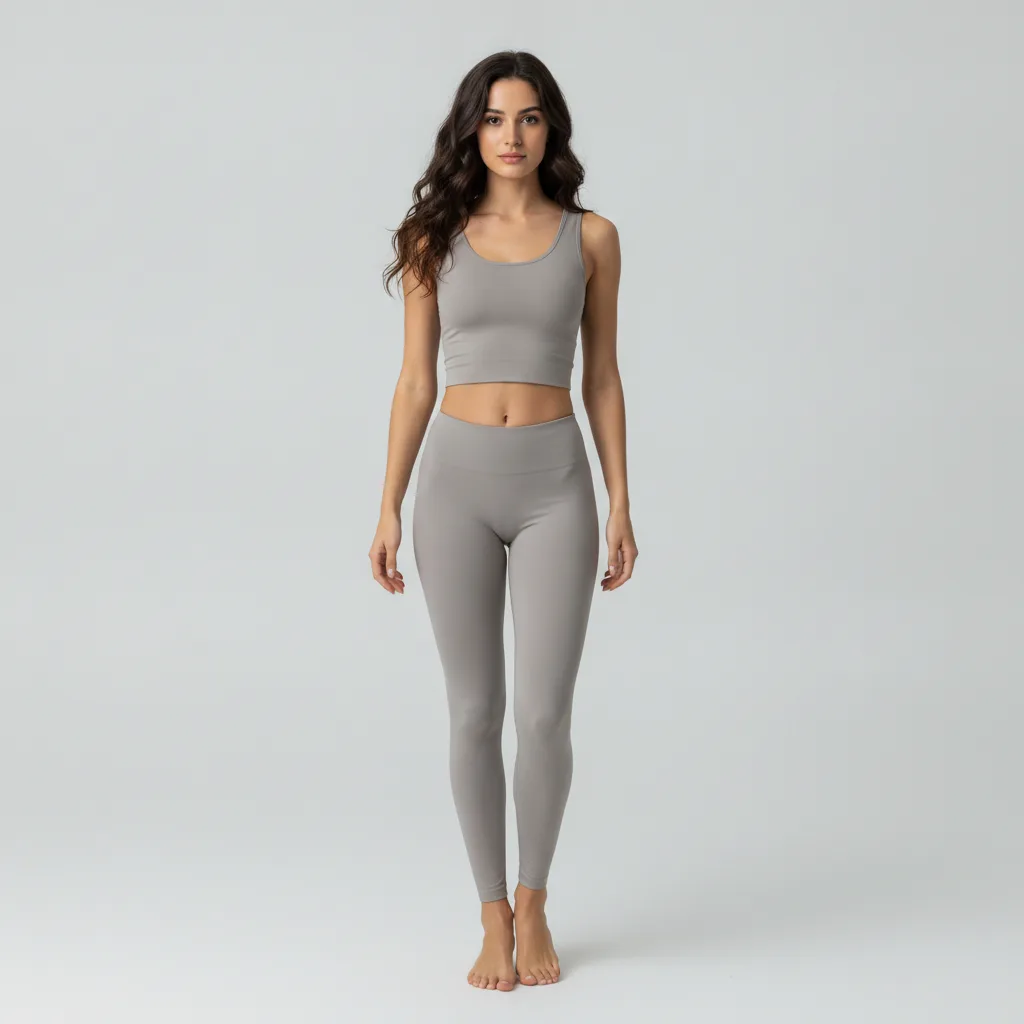
Take a straight-on photo of yourself standing upright with arms slightly away from your sides. Mentally draw two vertical lines straight down from the outer edges of your shoulders: on a pear shape, your hips will extend clearly beyond those lines. Another everyday clue: you consistently buy pants and skirts one to two sizes larger than your tops, and straight-cut shift dresses pull across the hips when they fit your bust.
Proportions
Each bar is measured against the widest point of the silhouette: these are typical proportions for the shape, not your measurements.
| Measurement | What to Look For | Pear Shape |
|---|---|---|
| Hips vs. Shoulders | Width difference | Hips are 5% wider or more |
| Waist | Definition against hips | Noticeably narrower |
| Front Silhouette | Overall line | Gradually widens downward |
| Fitting Room | Top vs. bottom sizing | Bottoms are 1–2 sizes larger |
Find your body shape with our photo calculator →
What Works for This Silhouette
Styling a pear shape comes down to one clear goal: add structure and width to the shoulder line so the top and bottom feel evenly proportioned. Rather than trying to minimize your hips—which often backfires by adding bulky layers—focus on giving your upper body the visual weight it needs.
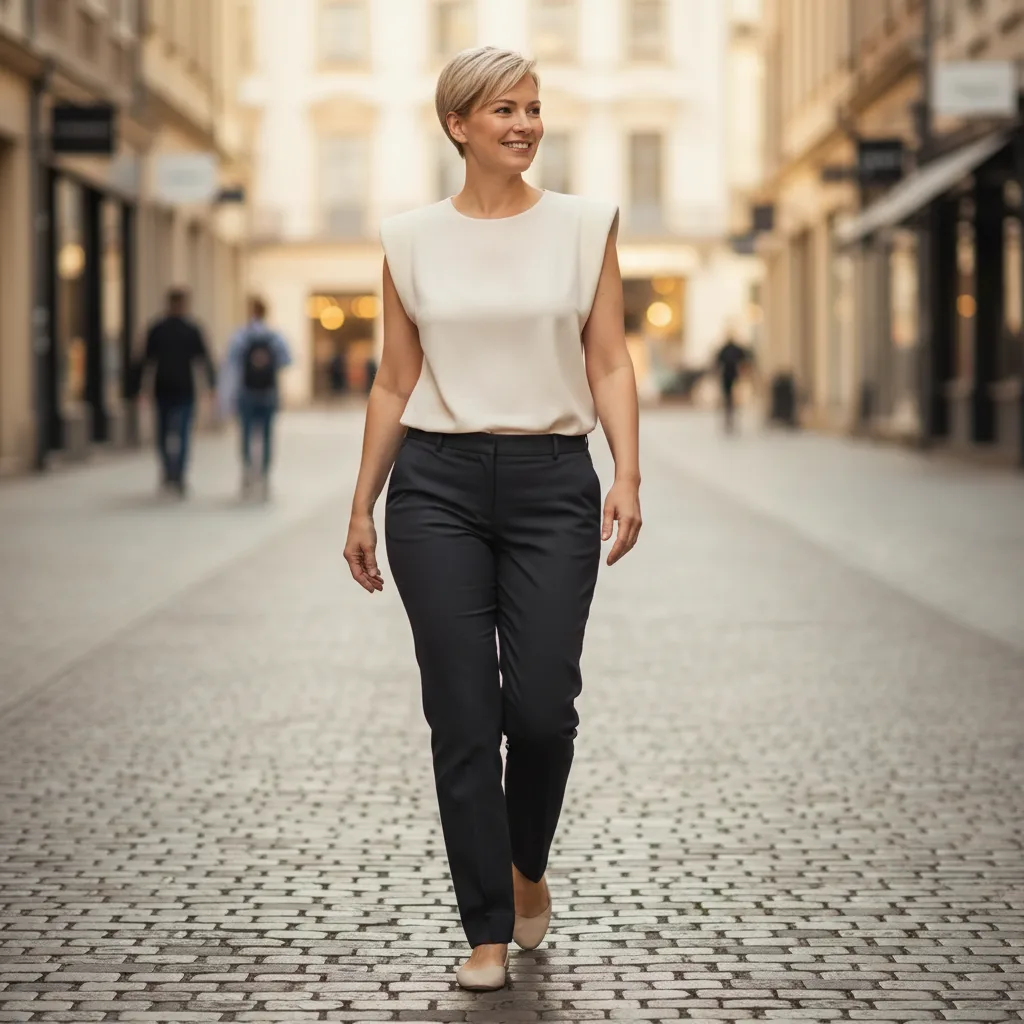
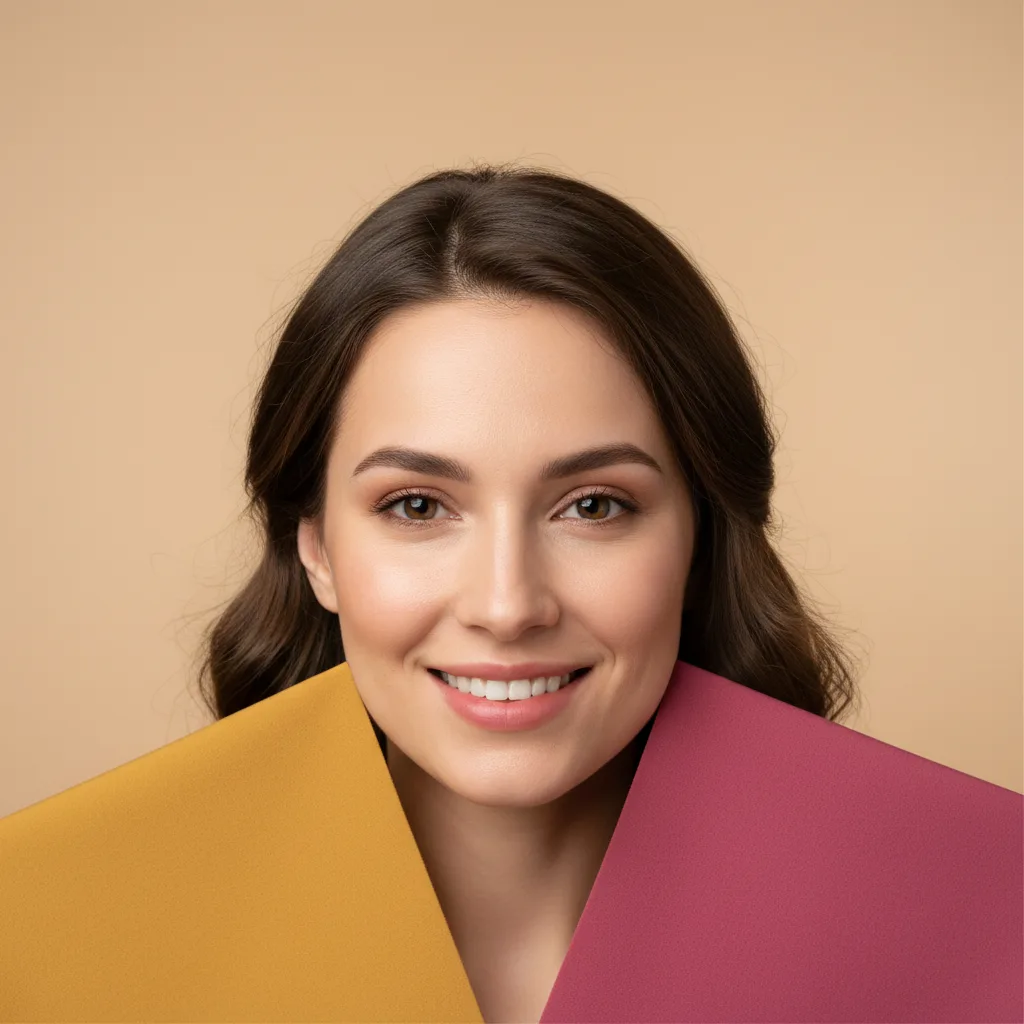
Four styling tools deliver the best results, especially when combined: color (lighter up top), texture (richer and more detailed on top), silhouette (added shoulder volume), and neckline (broad, open cuts). Individually, each helps; together, they completely transform the silhouette.
What to Avoid
Avoid anything that adds bulk right at the widest point of your hips, as well as cuts that make your upper body look narrower than it is.
A frequent styling trap is pairing a massive, shapeless oversized top with skinny jeans. On a pear shape, this reverses your balance: the slouchy top swallows your shoulder line, while the ultra-tight pants highlight your widest point. If you love an oversized sweater or blazer, pair it with straight-leg or wide-leg pants rather than skinnies.
Pear vs. Neighboring Body Shapes
Pear vs. Hourglass: It Comes Down to the Shoulders
Both shapes share a defined waist, which often causes confusion. Look at your shoulders: if your shoulders and hips are within 5% of each other, you have an hourglass silhouette and don't need to build shoulder width—simply highlighting your waist is enough. Measure both with a tape to be certain.
Pear vs. Rectangle: It Comes Down to the Waist
If your hips are wider than your shoulders, but your waist is less than 20% smaller than your hips, your proportions lean toward a rectangle with wider hips. You will still benefit from shoulder emphasis, but you will need belts and tailored seams to actively define the waistline.
| Feature | Pear | Hourglass | Inverted Triangle |
|---|---|---|---|
| Widest Point | Hips and thighs | Shoulders and hips balanced | Shoulders and bust |
| Tailoring Goal | Broaden shoulders | Emphasize the waist | Add hip volume |
| Color Strategy | Lighter on top | Balanced throughout | Lighter on the bottom |
| Volume Placement | Upper body | Moderate, balanced | Lower body |
Wardrobe Essentials by Category
Tops
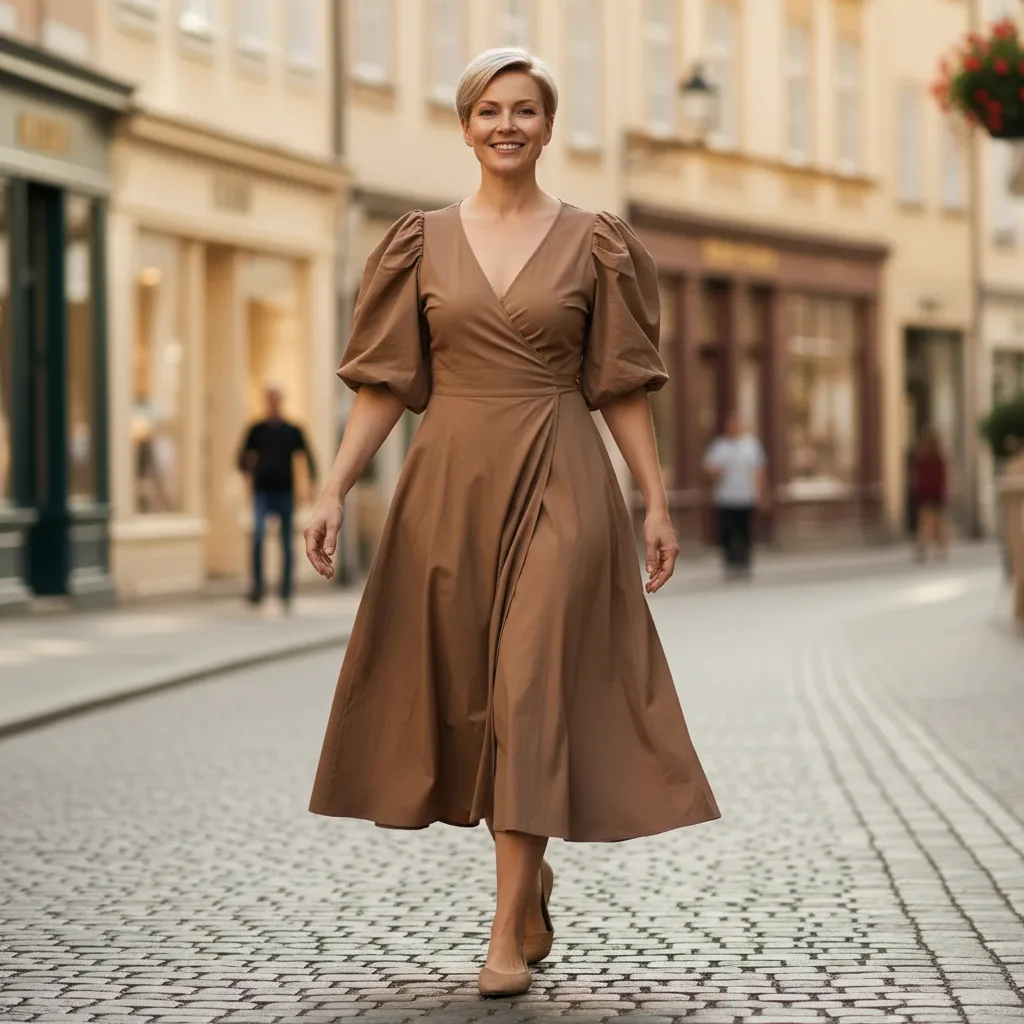
This is your most important category. Puff sleeves, pleated shoulders, epaulets, boat necklines, wide lapels, cowl necks, and horizontal yoke seams all work wonders. Heavy knits and textured fabrics naturally build upper-body presence. Aim for hem lengths that end at the waist or just below it—never cut straight across the widest part of your hips.
Bottoms
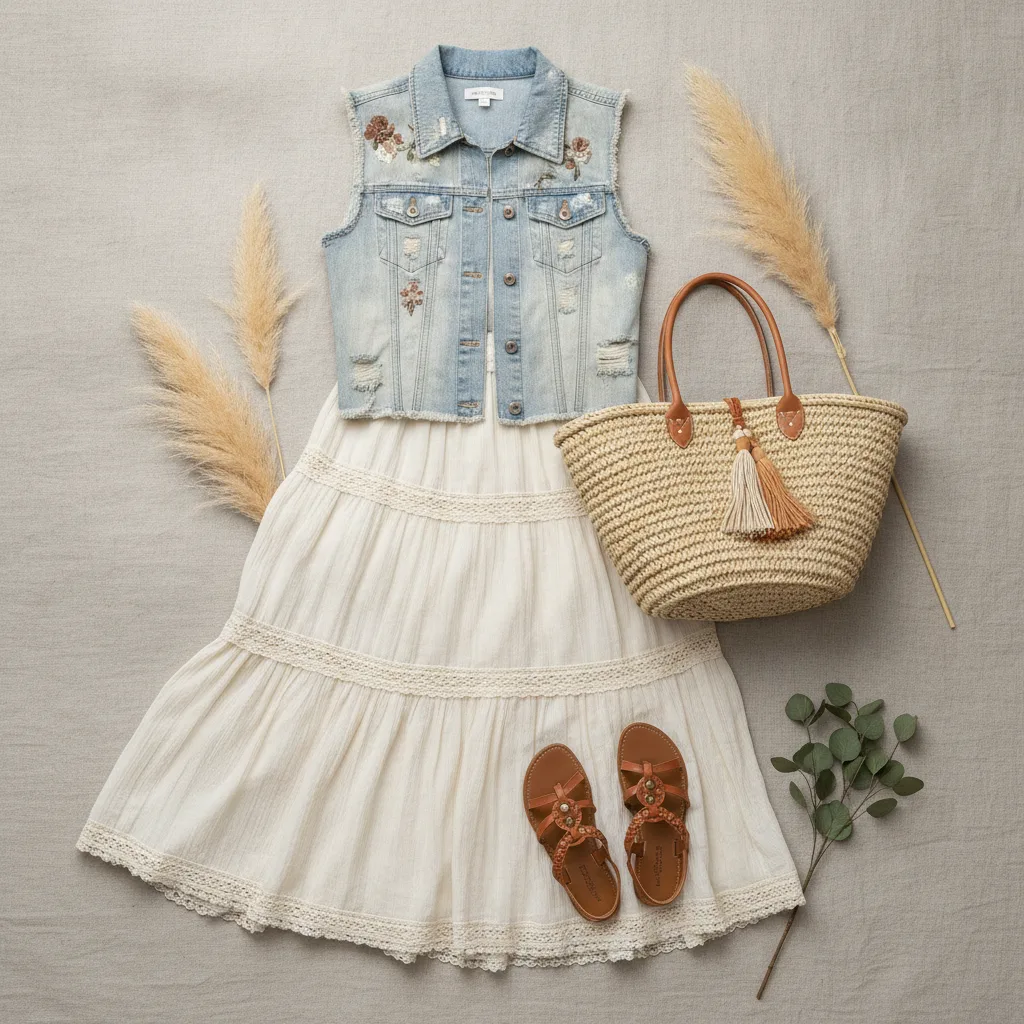
Choose clean, straight-leg or gently flared silhouettes: classic straight trousers, tailored palazzos, A-line skirts, and button-front midi skirts. Fabrics should skim past the hips smoothly without clinging: look for mid-weight, matte materials. Deep, solid tones are the easiest way to keep the lower half streamlined.
Dresses
Fit-and-flare dresses, A-line midis, and wrap dresses with structured sleeves are ideal. Straight sheath dresses are trickier: they often pull across the hips while gaping at the bust and waist.
Outerwear
Outerwear should finish either above the hip or extend well past the widest point of the thighs. Cropped boxy jackets hitting mid-hip emphasize hip width. Flattering choices include belted trench coats, A-line wool coats, and tailored blazers with structured shoulders that fall to mid-thigh or below the knee.

Jeans
Finding the right denim can feel challenging for a pear shape. Look for high-rise fits, straight-leg or subtle bootcut legs, minimal pocket embellishment, and a touch of stretch for comfort around the hips. Back pockets should be medium-sized and centered; undersized or low-set pockets make the hips appear wider.
Fabrics and Textures
The rule is straightforward: more texture on top, smoother surfaces on the bottom. Choose bouclé, ribbed knits, velvet, jacquard, embroidery, and prints for your tops. Keep bottoms to smooth wool, structured cotton, clean dark-wash denim, and drapey viscose.
- Best for tops: bouclé, chunky knits, lustrous satin, textured jacquards, and structured statement sleeves.
- Best for bottoms: smooth suiting wool, structured cotton twill, dark rinse denim, matte viscose, and gabardine.
- Avoid for bottoms: shiny satin, ultra-thin clingy jerseys, heavily quilted fabrics, and oversized cargo pockets.
Common Styling Mistakes
First, buying suits as a pre-matched set. Pear shapes almost always wear different sizes on top and bottom; a matched suit will either drown your shoulders or pull tight at the hips. Buy separates so each piece fits properly.
Second, relying solely on dark bottoms. While dark colors keep the lower half streamlined, they do not add shoulder width on their own. Without balancing the top, you end up with the same proportion, just in a plainer outfit.
Third, choosing tops or jackets that end squarely at the widest part of your hips. This draws a horizontal line across your widest point. Shift hemlines higher (waist level) or lower (mid-thigh)—the difference is immediate.
Frequently Asked Questions
Can I wear skinny jeans or tight bottoms?
Yes, as long as your upper body balances the look. Skinny jeans paired with a tailored blazer with structured shoulders or a chunky wide-neck sweater look great; pairing them with a tight, minimalist tank will leave the silhouette bottom-heavy.
Are shoulder pads a good idea?
Yes, and pear shapes benefit from them more than any other type. Choose subtle, modern pads that extend the shoulder line by 1–1.5 cm rather than bulky vintage styles.
How do I dress for fullness around the outer thighs?
This is simply how weight is distributed, not a separate body type. The same rules apply: straight-cut trousers, fabrics that drape without clinging, and skirts that finish below the widest point—around or just below the knee.
Should I wear a belt?
Yes, especially if you have a defined waist. A belt highlights the narrowest point of your torso, turning your waist-to-hip curve into a focal point. Match the belt tone to your top rather than your bottoms for the cleanest line.
What is the most flattering skirt length?
Knee-length or midi lengths that taper past the widest part of the leg are the most flattering. Miniskirts end at the widest point of the thigh and require structured, voluminous tops to keep the silhouette in proportion.
Can my body shape change over time?
Your overall bone structure and fat distribution patterns remain fairly constant. Weight shifts and workouts change your absolute measurements, but the relative ratio between your shoulders and hips usually stays consistent. Dressing to complement your natural proportions is much easier than fighting them.
Try it on yourself
Every tool works from a single photo.