 New
AI Body Shape Calculator
Find out which skin type you have and what skincare and makeup suit it.
The model marks three colours on your photo — oily, dry and sensitive areas — and explains what is happening where by those same colours. Calm skin stays unpainted. Your skin type follows from how much of the face each colour takes up.
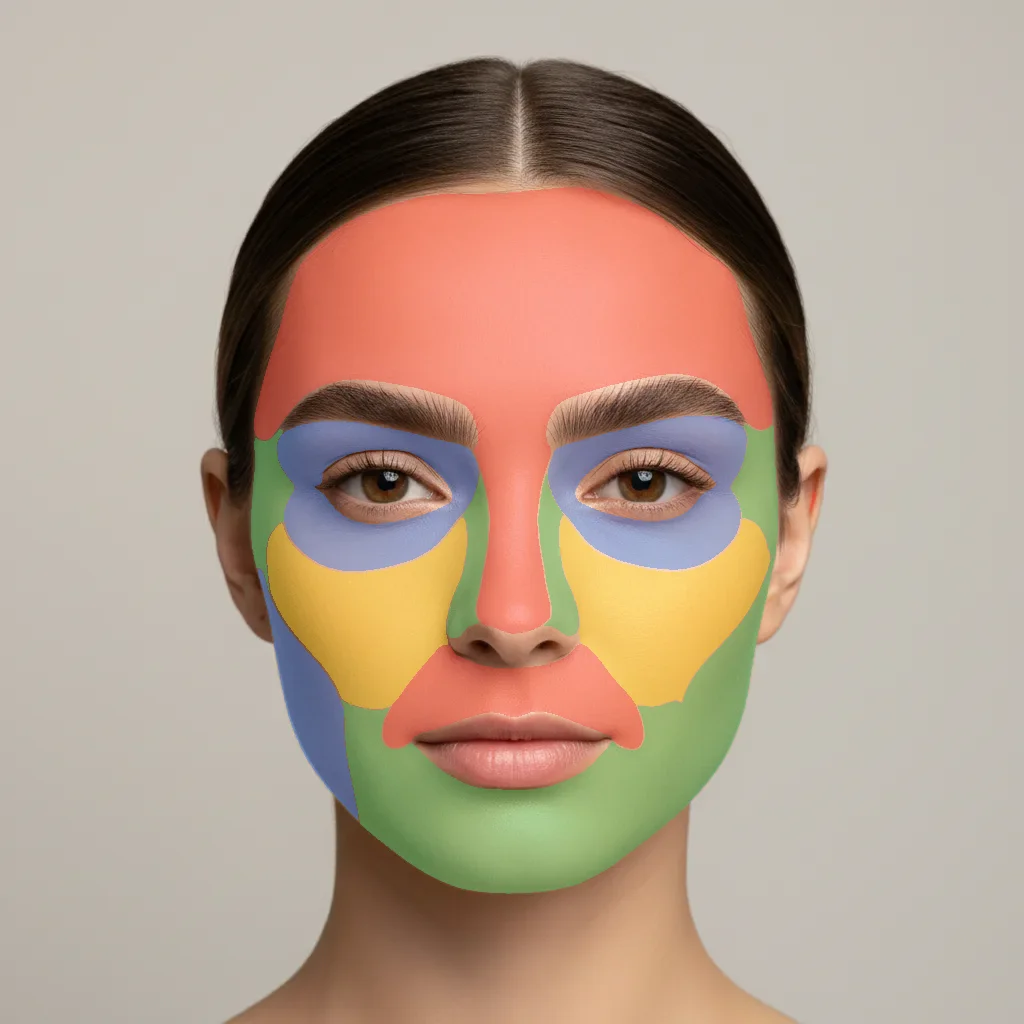
Colours on the map
Almost no shine, small pores, no flaking and no tightness.
Matte, pores barely visible, with flaking and a tight feeling at times.
Shines across the whole face within a couple of hours, enlarged pores, foundation slides.
The T-zone shines with enlarged pores while the cheeks are calm or dry.
What makes the result reliable before you change your routine.
The zones are painted right onto your photo: you see where the skin shines, where it dries and where it reacts, not just the final word.
No appointment, no waiting: upload a photo and see the result straight away.
The picture is processed only for the analysis. You can delete it from your account at any time.
Care steps, foundation textures and what to avoid — a starting point for makeup and shopping, not a label.
It's the first question any cosmetologist asks and the first line on every jar of cream.
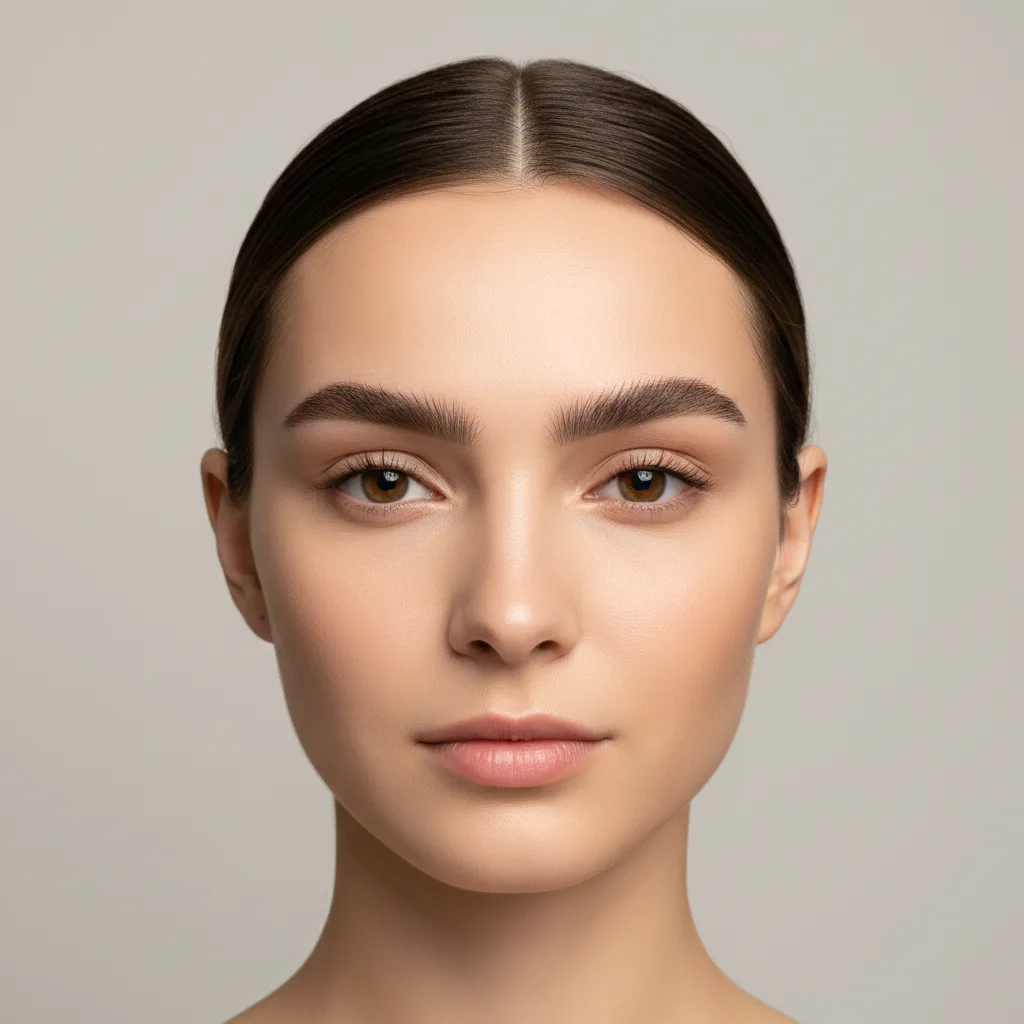
In the mirror skin feels oily one day and dry the next. The model compares signs by zone, not sensations.
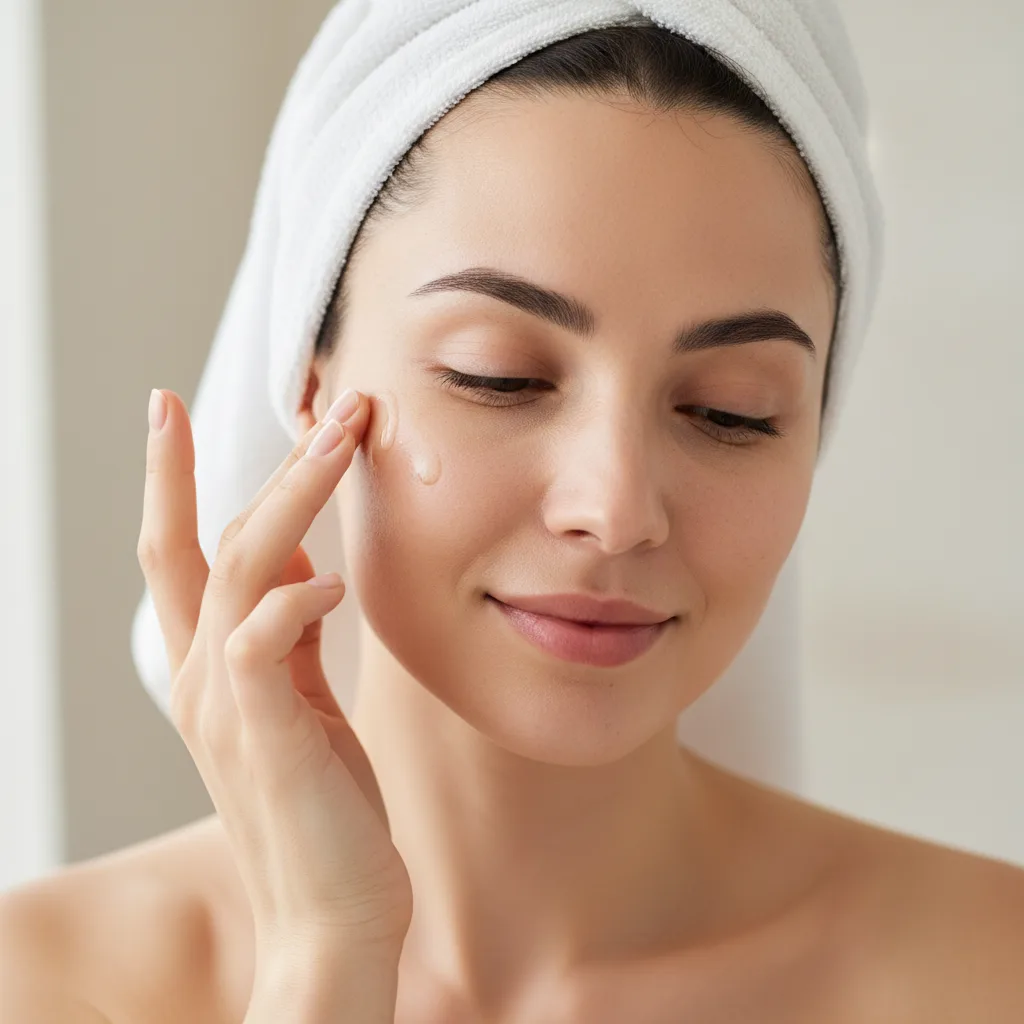
Cleansing, hydration and protection are picked for your type, not for the advert.
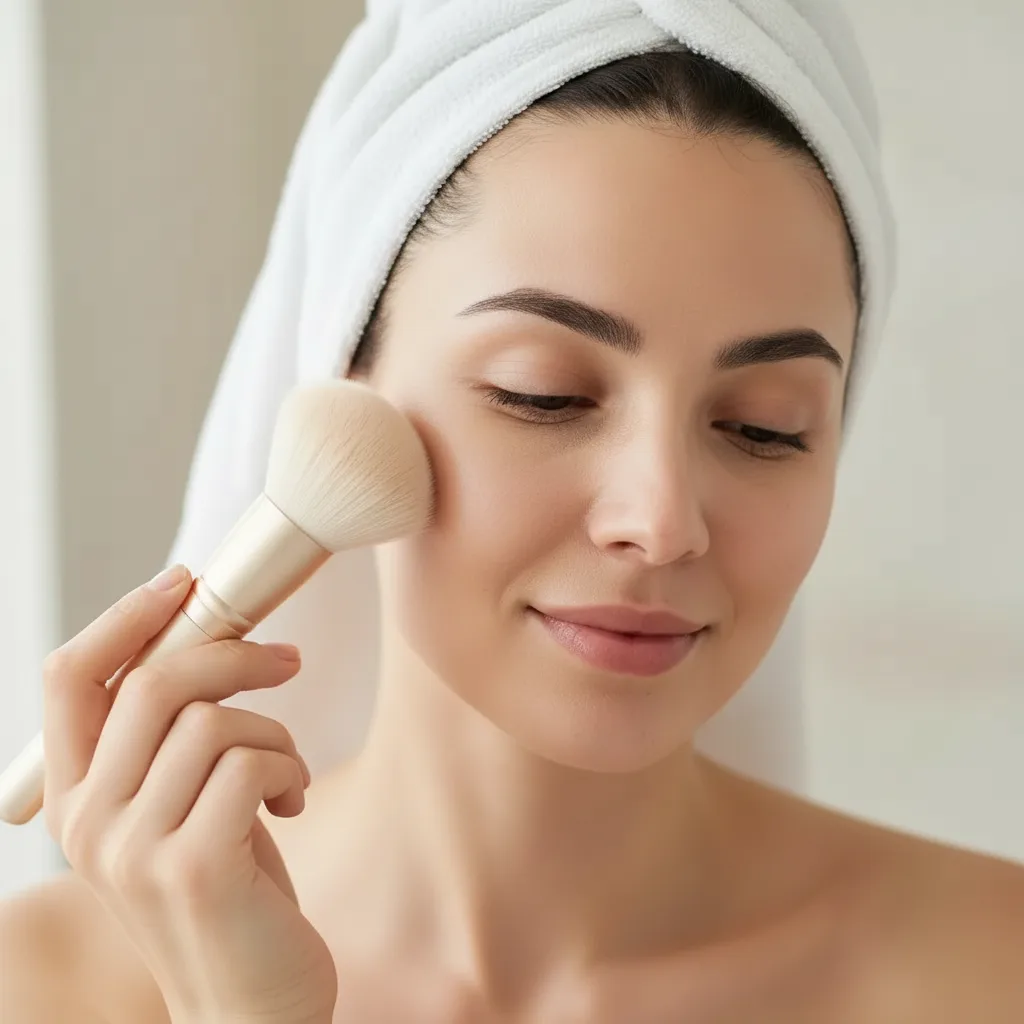
Foundation texture and primer for your type are the main reason makeup slides or highlights flaking.
From photo to result in under a minute.
So you don't grab "for all skin types" at random.
Find out whether it's the foundation or the skin underneath.
Skin is often drier in winter and oilier in summer — check what changed.
Arrive with the signs laid out, not with "something's off".
First the model checks the frame and surveys the skin area by area — forehead, nose, under-eyes, cheeks, upper lip, chin — assigning each a type. Those zones are laid over your photo in colour, then the map is read: how much of the face each zone takes and which type that makes — the type follows from the map, not the other way round.
Combination skin shines and has visible pores in the T-zone while the cheeks are calm or dry. Oily skin shines and shows pores across the whole face.
Sensitivity is a trait, not a type: redness and reactivity happen with any skin type. The report lists it on its own line.
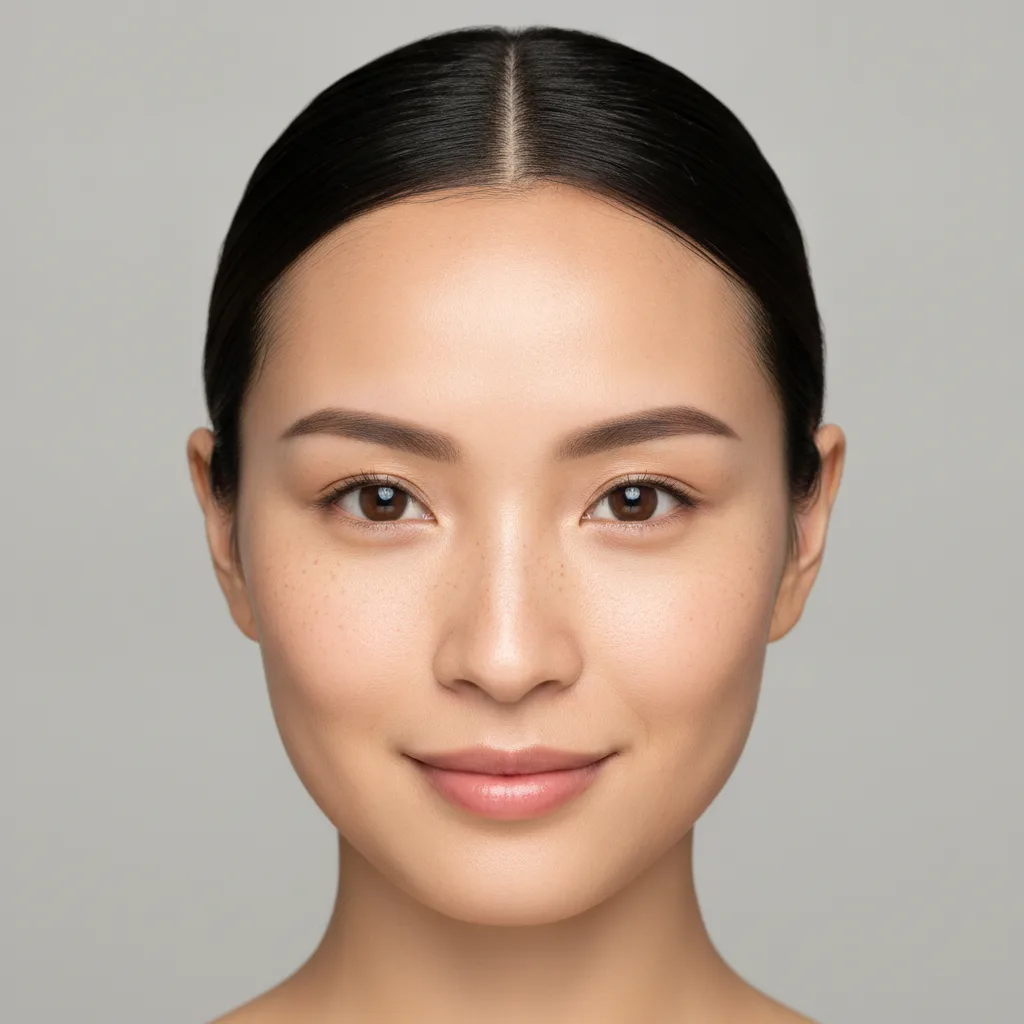
A clean face with no foundation or filters, daylight, facing the camera. Foundation and retouching hide exactly the signs the type is read from.
No. It's a cosmetic read for choosing skincare and makeup. It doesn't name skin conditions: if something looks concerning, the report suggests showing it to a dermatologist.
With the Studio subscription there's no limit on the number of images; without it, generations run within your available credits.
Every look you generate is saved to your account, so you can compare them side by side later.
Upload one photo — the analysis and the try-on live in the same place.
Start AI Color Analysis