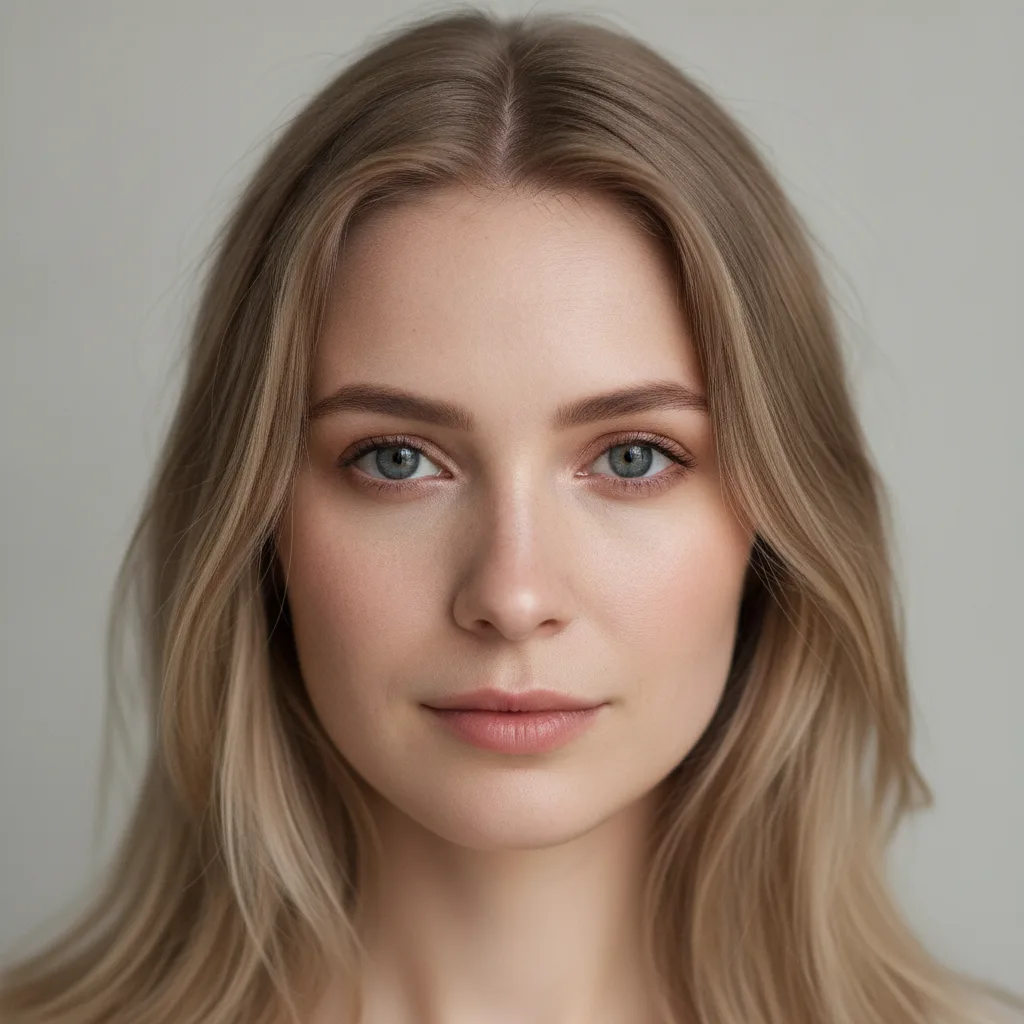
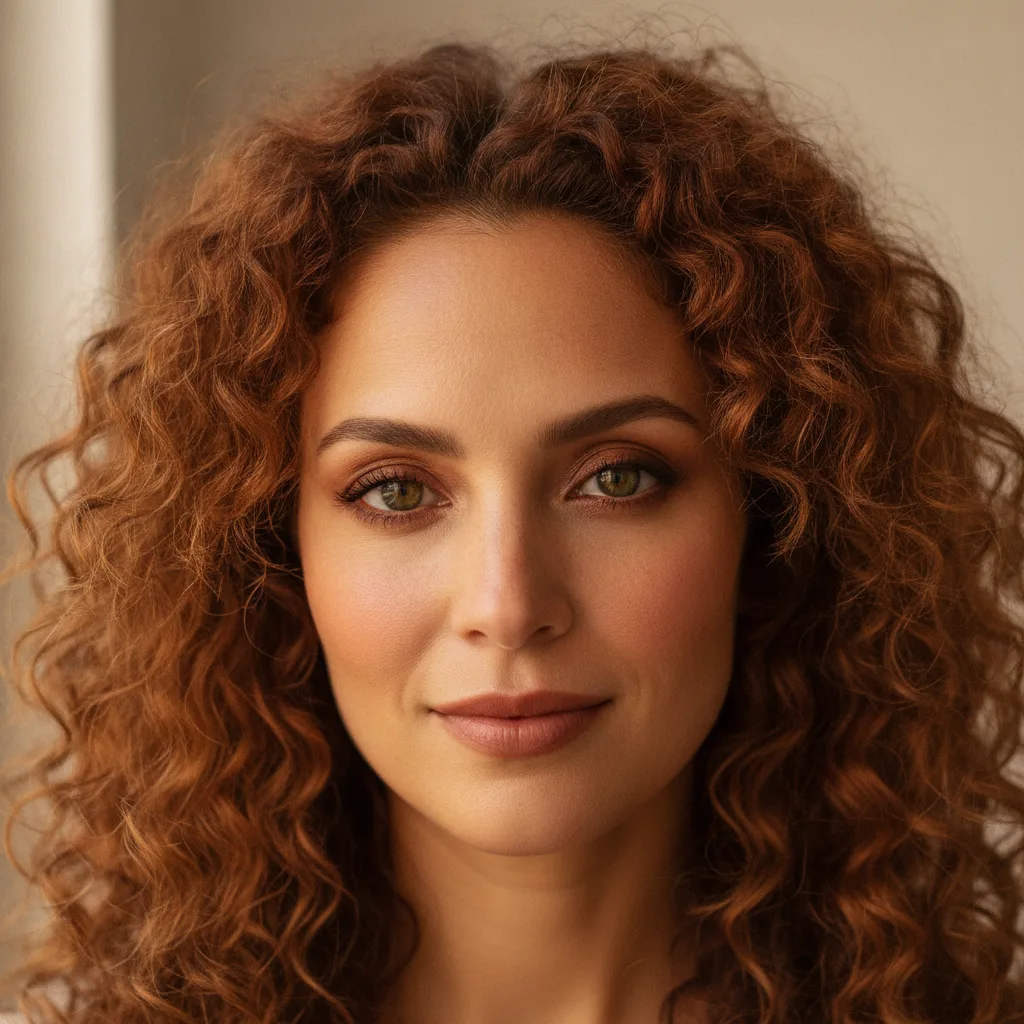
Colour family · 4 subtypes
Spring Color Season: The 4 Subtypes and Their Palettes
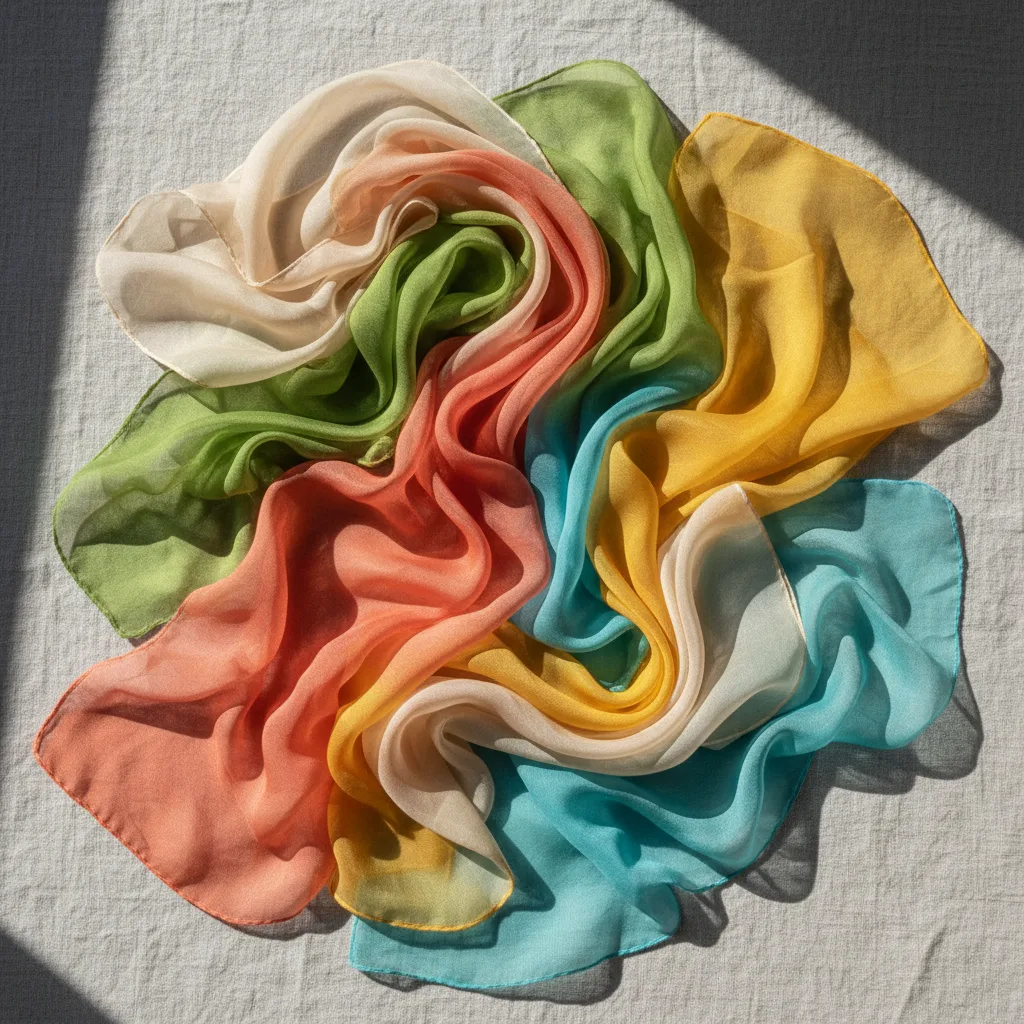
Spring is a warm, vibrant season marked by golden undertones, honey or caramel hair, and clear, sparkling eyes. Its signature palette glows with light—think juicy coral, fresh green, warm turquoise, and golden beige. Here is how to tell Light, Warm, True, and Bright Spring apart, find your subtype, and avoid confusing Spring with Autumn.
What All Spring Color Types Have in Common
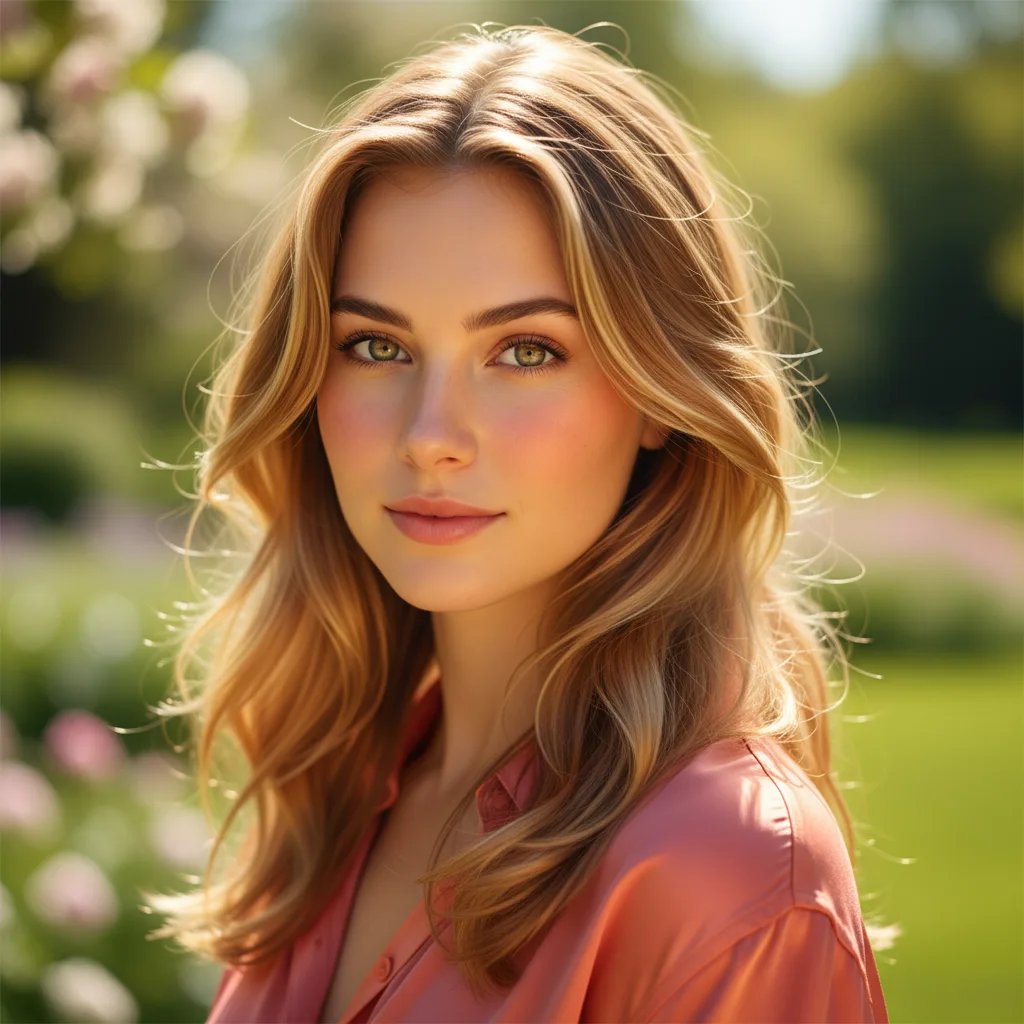
Spring is defined by warmth plus clarity. The features have a natural inner glow: skin radiates golden undertones, hair carries honey or caramel warmth, and eyes are clear and luminous. There is no ashiness or muted gray in this coloring—which is precisely why dusty tones make Spring look dull and washed out.
While the four Spring subtypes vary in depth and saturation, they share three foundational traits. Test yourself in natural daylight without makeup.
Skin
Warm: golden ivory, peach, golden beige, honey, or light golden olive. Blushing is peach or coral rather than cool pink. The skin tans easily and evenly.
Eyes
Light and clear: green, golden hazel, warm blue, or amber-flecked light brown. The iris often features a distinct sunburst or golden flecks around the pupil.
Hair
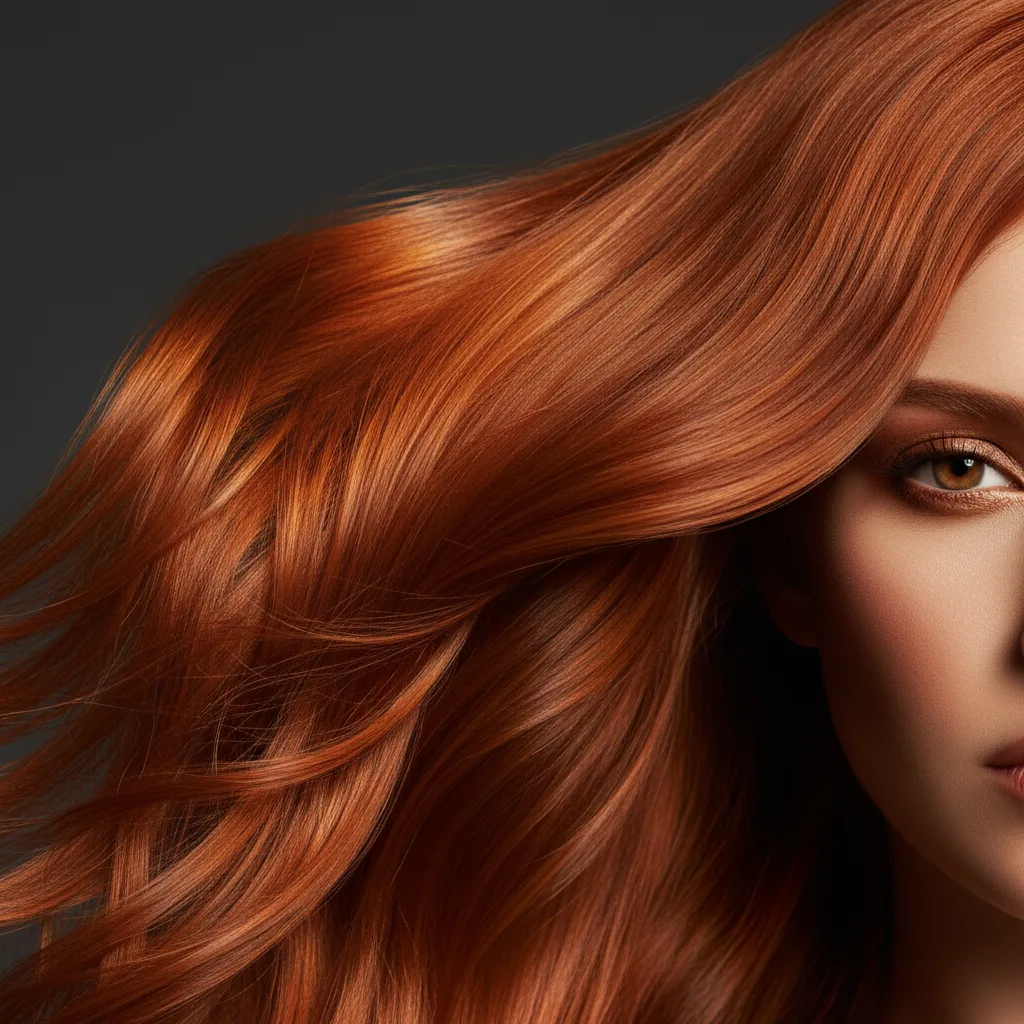
Warm across the entire spectrum—from light golden blonde to light auburn or warm chestnut. In the sun, hair catches golden highlights rather than ash.
The Metal Test
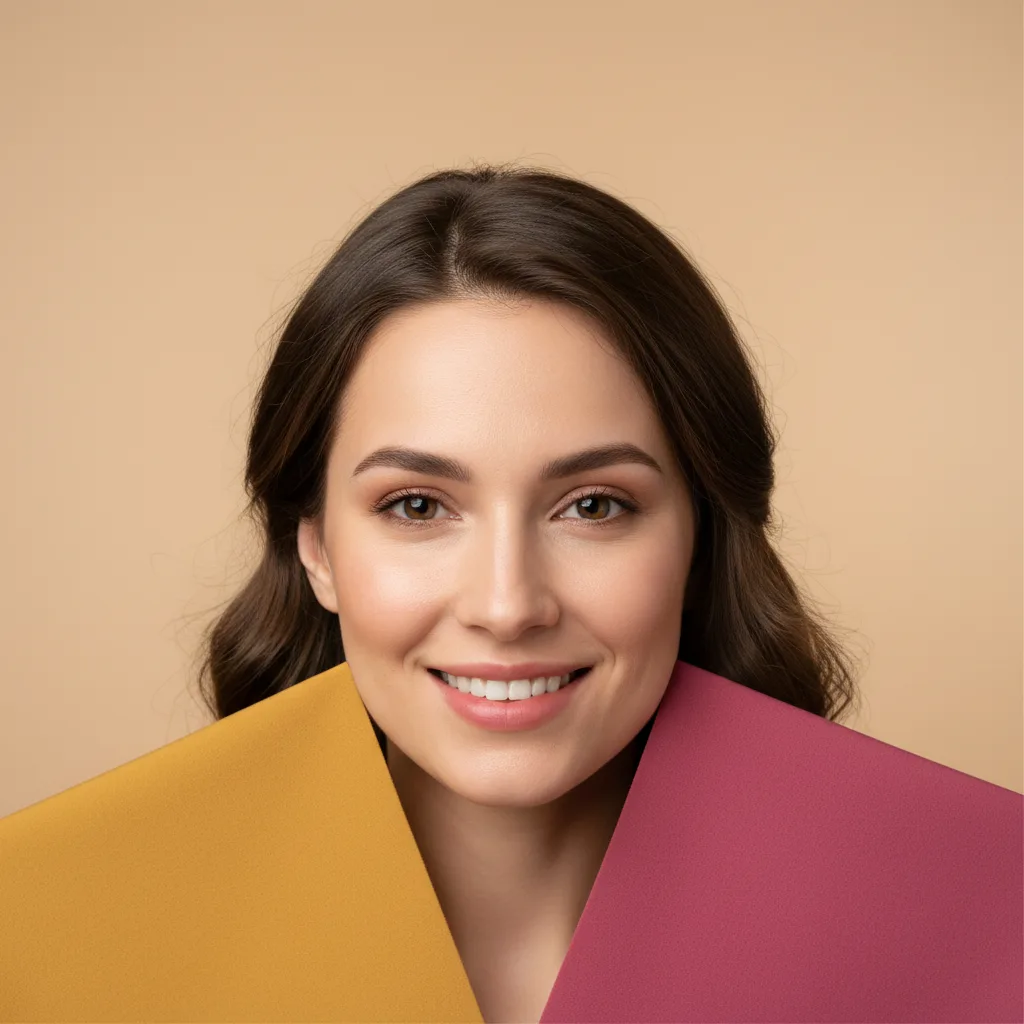
Drape gold and silver fabrics or jewelry next to your face. For a Spring, yellow gold makes the complexion glow and look smooth, while silver makes the skin look sallow or slightly blue. This is the fastest test to separate warm seasons from cool seasons before narrowing down subtypes.
Find your color season from photo →
The Four Spring Subtypes
Within the family, subtypes differ based on their primary characteristic alongside warmth: lightness, chroma (brightness), or absolute warmth.
- Light Spring — lightness comes first, followed by warmth. The softest subtype: golden pastels, low contrast, peach over saturated coral.
- Warm Spring — warmth is the dominant trait, with medium depth. Golden, honeyed hues flowing into Autumn.
- True Spring — warmth plus pure color clarity. The core of the family: vibrant coral, fresh leafy green, and clear warm turquoise at full strength.
- Bright Spring — color clarity and brilliance come first, followed by warmth. High contrast, electric hues, bridging the gap to Winter.
| Feature | Light | Warm | True | Bright |
|---|---|---|---|---|
| Primary Trait | Lightness | Warmth | Warmth | Clarity / Brightness |
| Depth | Light | Medium | Medium | Medium |
| Saturation | Medium | Medium | High | Maximum |
| Contrast | Low | Medium | Medium | High |
| Test Color | Peach | Golden Yellow | Coral | Electric Blue |
| Sister Season | Light Summer | Warm Autumn | True Autumn | Bright Winter |
How to Tell Which Spring You Are
Subtypes are best determined by side-by-side comparison rather than a single color swatch. Hold two fabrics up to your face and watch how your skin reacts—pay attention to nasolabial shadows, under-eye circles, and overall skin clarity.
Light vs. Warm
The Test: Peach versus golden yellow. If soft peach refreshes you while rich gold overwhelms your features and adds redness, you are a Light Spring. If peach looks washed out and weak while golden yellow brings your features into focus, you are a Warm Spring.
Warm vs. True
Both are distinctly warm, but they differ in chroma. The Test: Honey amber versus pure coral. Warm Spring looks best in rich, golden, slightly earthy tones; True Spring shines in vivid, clear coral, which might look too sharp or harsh on Warm Spring.
True vs. Bright
The Test: Coral versus electric cobalt blue. If electric blue and bright magenta feel overpowering and wear you, you are True Spring. If slightly muted tones wash you out while saturated, high-voltage shades make you come alive, you are Bright Spring. Natural contrast also helps: Bright Spring has striking contrast between hair, skin, and eyes, while True Spring is softer.
Spring vs. Neighboring Seasons
Spring is often confused with its neighboring seasons across three main axes.
Spring vs. Autumn: The Question of Clarity
Both families are warm, so the metal test will not separate them. Look at color purity: Spring needs clear, vivid tones (coral, lime green, warm aqua), while Autumn thrives in rich, muted, and earthy hues (rust, mustard, olive khaki). The Test: Coral versus rust. If coral refreshes you, you are Spring; if rust warms your skin and coral feels overly bright, you are Autumn.
Spring vs. Summer: The Question of Temperature
Confusion often occurs between the lightest subtypes: Light Spring and Light Summer, which are both delicate and low-contrast. The Test: Peach versus dusty rose. Peach brings life to Spring; dusty rose flatters Summer while peach looks too yellow or muddy. The metal test confirms it: gold for Spring, silver for Summer.
Spring vs. Winter: The Question of Warmth
Bright Spring and Bright Winter share vivid chroma and high contrast. The Test: Warm coral versus icy magenta / cool fuchsia. If fuchsia gives your face sharp definition, you are Winter; if it washes you out and highlights dark circles while coral flatters you, you are Spring.
The Shared Spring Palette
There is no single one-size-fits-all palette for the whole family—Light Spring needs light pastels, while Bright Spring requires high-voltage clarity. However, all Spring palettes share the same warm, clear baseline.
Colors That Flatter Every Spring
- Coral and peach — varying in intensity by subtype, but universally flattering.
- Warm greens — from tender sprout green to lush meadow grass.
- Warm turquoise — crisp and refreshing, with a distinct golden base.
- Golden yellow — sunny and bright, free from mustard or gray dustiness.
- Cream and golden beige — your core neutrals instead of stark white or gray.
- Warm denim and camel — perfect everyday neutrals for coats and basics.
What Works Against the Whole Family
- Black near the face — drains the golden glow from your skin; replace it with warm brown, camel, or warm navy.
- Cool gray and mauve — casts a tired, shadowy look over warm features.
- Stark, optical white — Spring white is always warm, such as ivory or buttermilk cream.
- Muted, dusty colors — dull the signature clarity and luminescence of Spring coloring.
- Dark jewel tones — deep sapphire, dark emerald, or burgundy: too heavy, even for Bright Spring.
Makeup, Hair, and Jewelry
The direction is always warm and clear, with saturation adjusted for your subtype: what looks striking on Bright Spring will overpower Light Spring.
- Foundation: Warm, golden, or peachy undertones. Cool porcelain bases create a gray, mask-like finish.
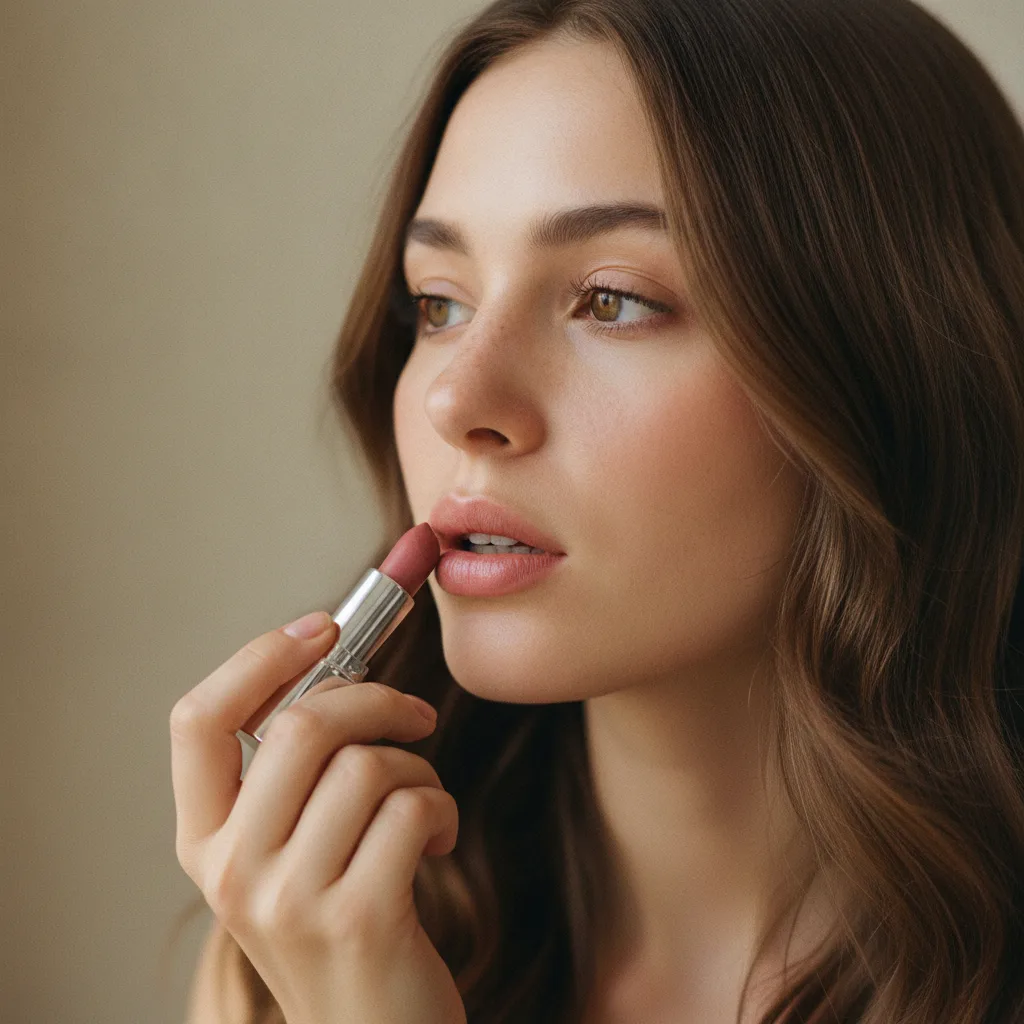
- Lips: Peach, coral, poppy red, or warm watermelon. Avoid plum, cool berry, and cool taupe-nude.
- Blush: Peachy or warm coral rather than cool pink.
- Eyes: Golden bronze, copper, warm moss green, and warm brown shadows; swap harsh black eyeliner for warm espresso or bronze.
- Hair: Golden blonde, honey, warm caramel, or light chestnut with golden highlights. Ash, platinum, and blue-black drain all the natural vitality from your skin.
- Jewelry: Yellow gold, warm bronze, and brass. Silver cools the face down; if you love silver, wear it away from your neckline.
Building a Spring Wardrobe: Where to Start
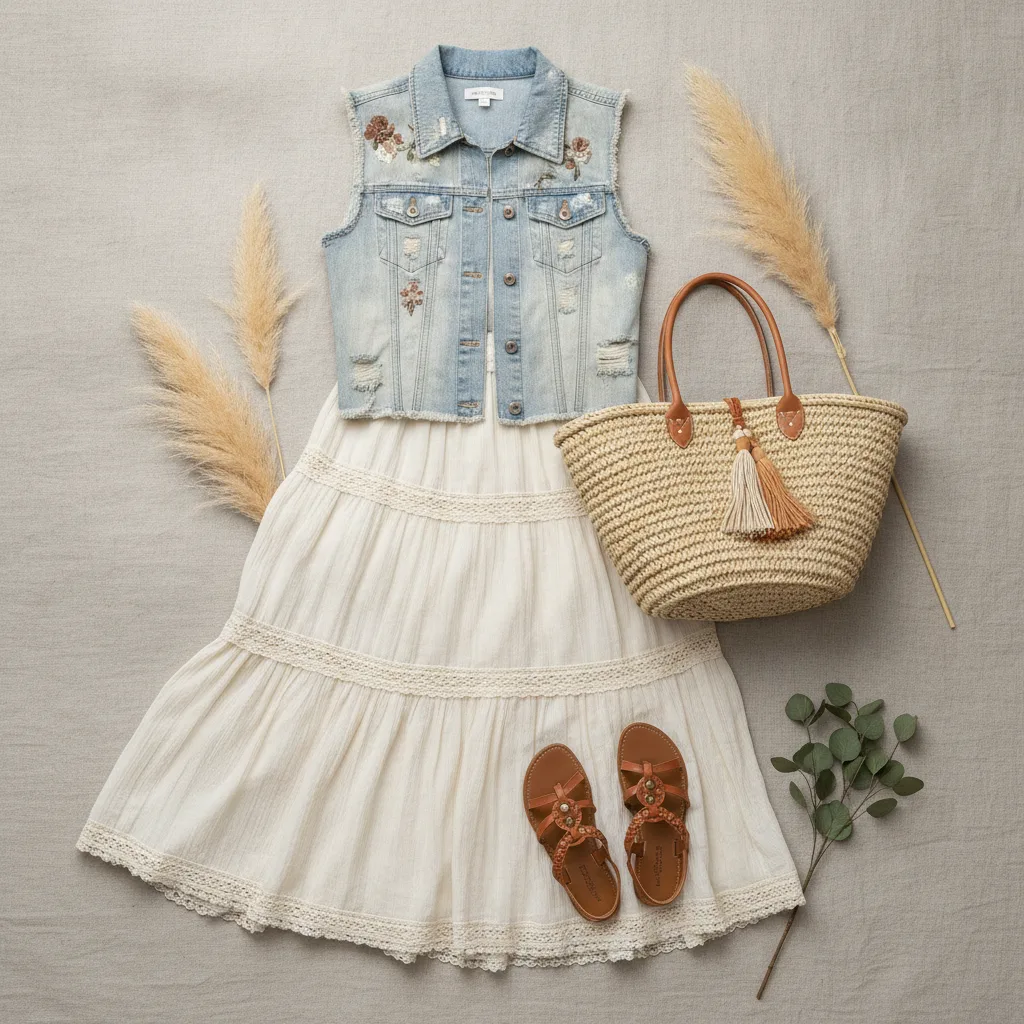
A Spring wardrobe is built on warm, light-to-medium neutrals, accented with luminous color near the face. If you are building a capsule wardrobe from scratch, follow this blueprint:
- Start with your core neutrals: golden beige, camel, warm cream, and warm-wash denim.
- Add two or three tops in your best accent colors—worn near the face, they do the heavy lifting.
- Choose footwear and bags in rich warm brown or nude leather instead of black.
- Opt for lightweight fabrics with subtle luster: cotton, linen, silk, and fine merino wool. Heavy, stiff fabrics in cool tones look out of place.
- Wear yellow gold jewelry as your everyday signature to anchor the warmth of every outfit.
Frequently Asked Questions
Can a Spring wear black?
Near the face, black is generally uncomplimentary for all four Spring subtypes: it overwhelms golden undertones and creates shadows under the eyes and chin. It works fine for bottoms, shoes, or accessories below the waist. For top layers, replace black with warm espresso brown, camel, or warm navy.
Can you be a Spring with dark hair?
Yes, as long as the hair has warm undertones. Spring is not exclusively blonde: Warm Spring and Bright Spring often have rich medium-to-dark brown hair with golden, amber, or auburn highlights. Look at the reflection in sunlight: golden-reddish reflects point to Spring, while cool ashy tones suggest Summer or Winter.
How do I tell Spring from Autumn if both are warm?
By color clarity and depth. Compare bright coral with muted rust: if coral refreshes you, you are Spring; if rust enriches your skin and coral feels jarringly bright, you are Autumn. Furthermore, Autumn thrives in deep, dusky, and muted shades that age or wash out a Spring.
Do I have to dye my hair blonde?
Not at all. Undertone matters far more than lightness level. Any warm tone that matches your natural depth will look harmonious. The only finish all Spring subtypes should strictly avoid is ashy or cool platinum coloring.
What if colors from two subtypes both look good on me?
That is completely natural: sister subtypes sit next to each other on the color wheel and share transitional shades. Pay attention to the boundary colors that clearly do not work to find your limit. For an exact assessment, a photo color analysis evaluates your features against all sixteen seasonal subtypes.
Try the colours on yourself
Every tool runs on a single photo and follows your palette.