Colour family · 4 subtypes
Autumn Color Season: The 4 Subtypes and Their Palettes
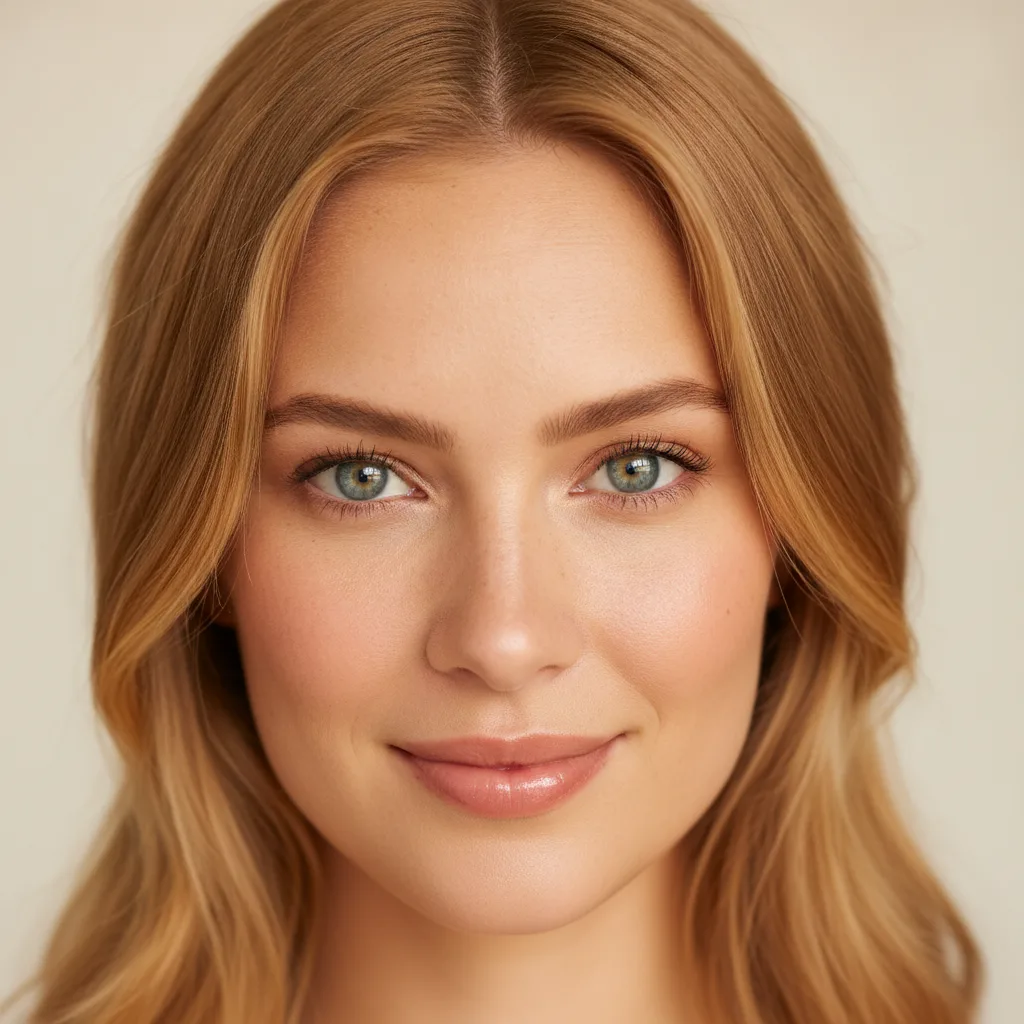
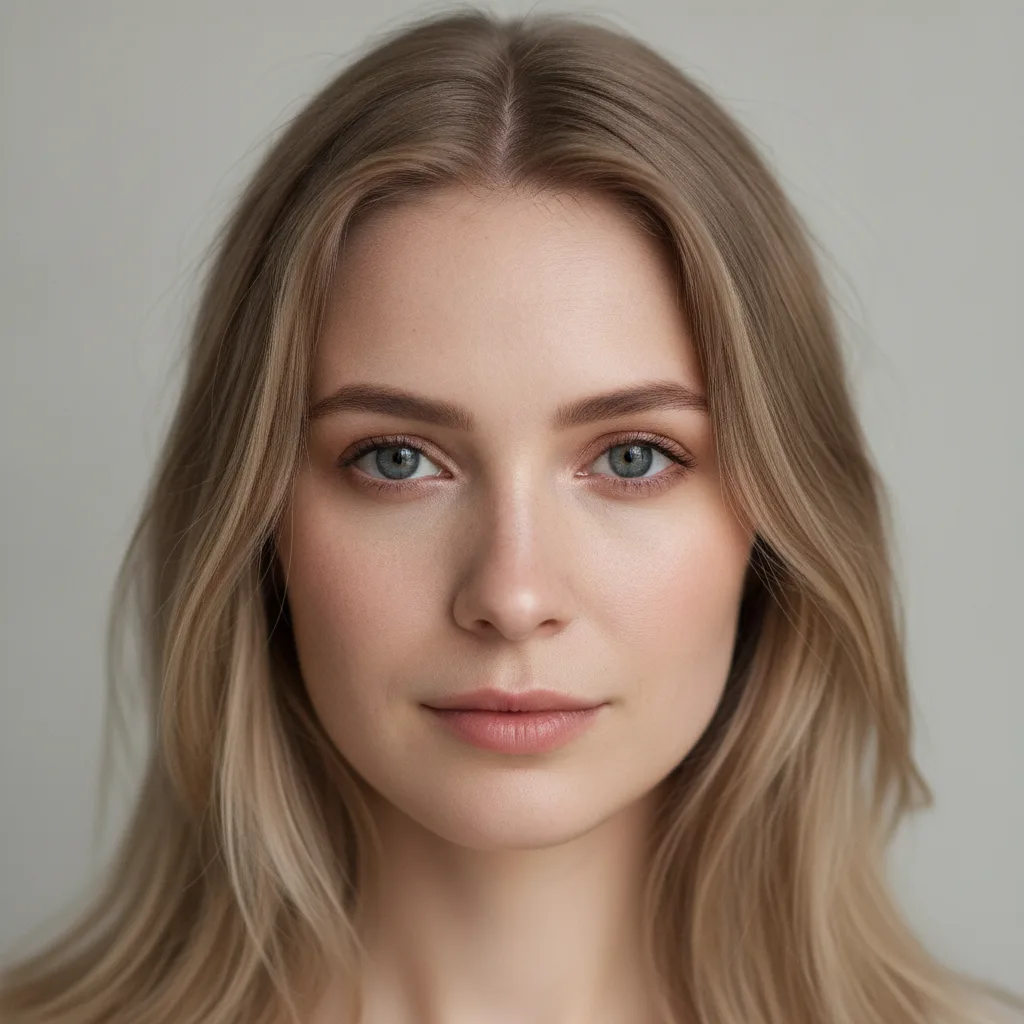
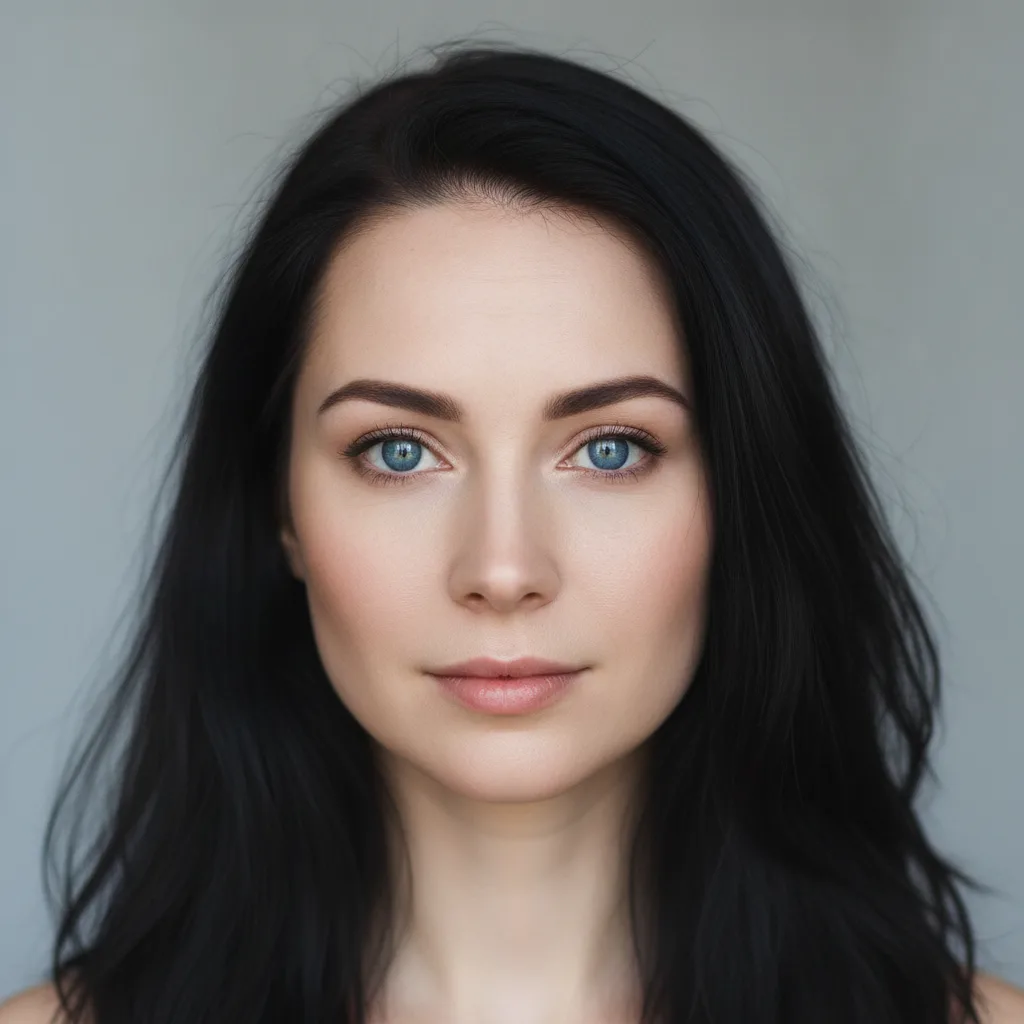
Autumn is a warm, rich seasonal family defined by earthy, muted undertones—golden or olive skin, copper and bronze highlights in the hair, and amber-flecked eyes. Its core shades are deep and enveloping, ranging from rust and mustard to forest green and terracotta. Here is everything you need to know about the four Autumn subtypes, how to find yours, and how to tell Autumn apart from Spring and Summer.
What All Autumn Color Types Have in Common
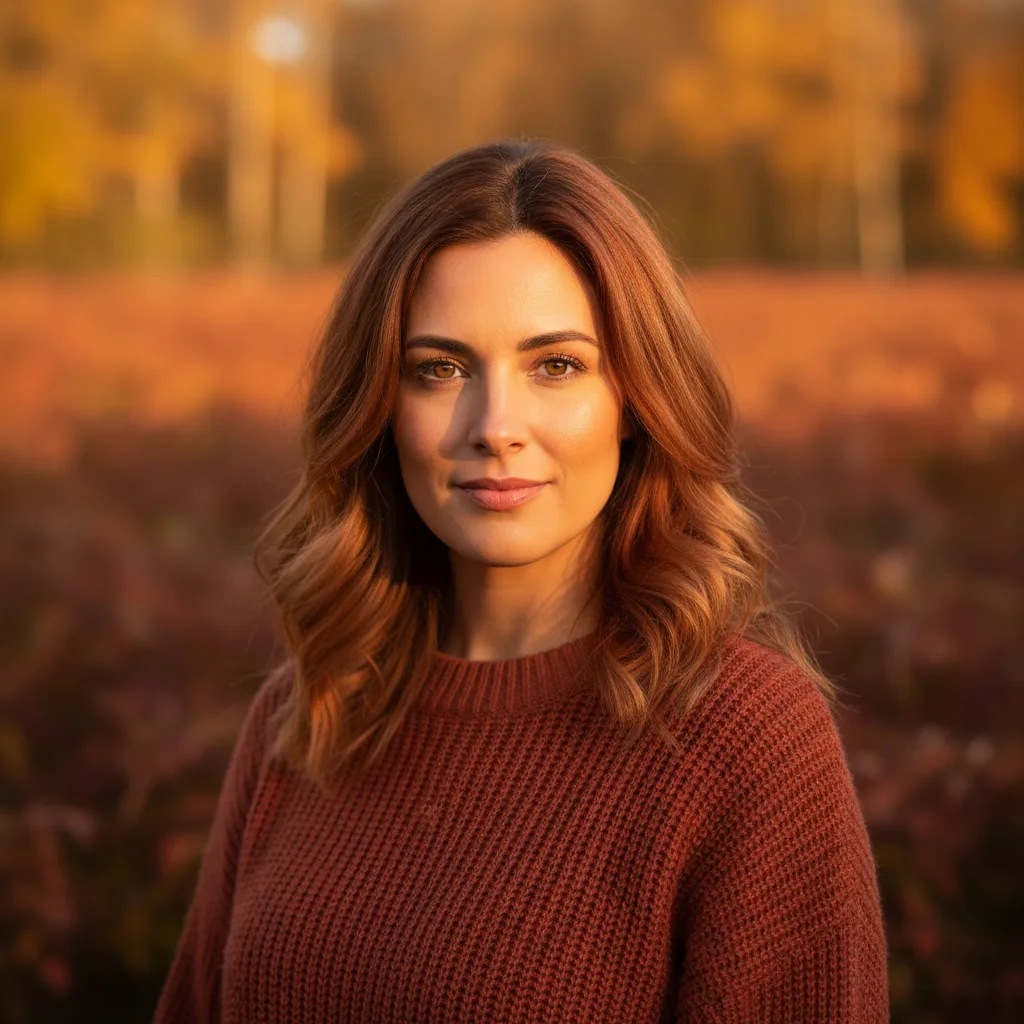
Autumn is defined by warmth and depth. The overall look is rich and earthy: golden or olive skin, copper, bronze, or warm chestnut hair, and eyes flecked with amber and hazel. Autumns thrive in dense, richly pigmented colors rather than luminous neons or cool pastels, which can make the complexion look pale and chalky.
While the subtypes differ in chroma and depth, all four share three key characteristics. For best results, assess yourself in natural daylight without makeup.
Skin
Warm and richly toned: golden-beige, honey, olive, bronze, or warm deeper skin tones. Natural flush leans peach or terracotta, and the skin tans easily with a long-lasting golden hue.
Eyes
Warm and deep: rich brown, hazel with golden flecks, amber-green, or warm grey-green. The gaze feels soft and warm, without icy, piercing clarity.
Hair
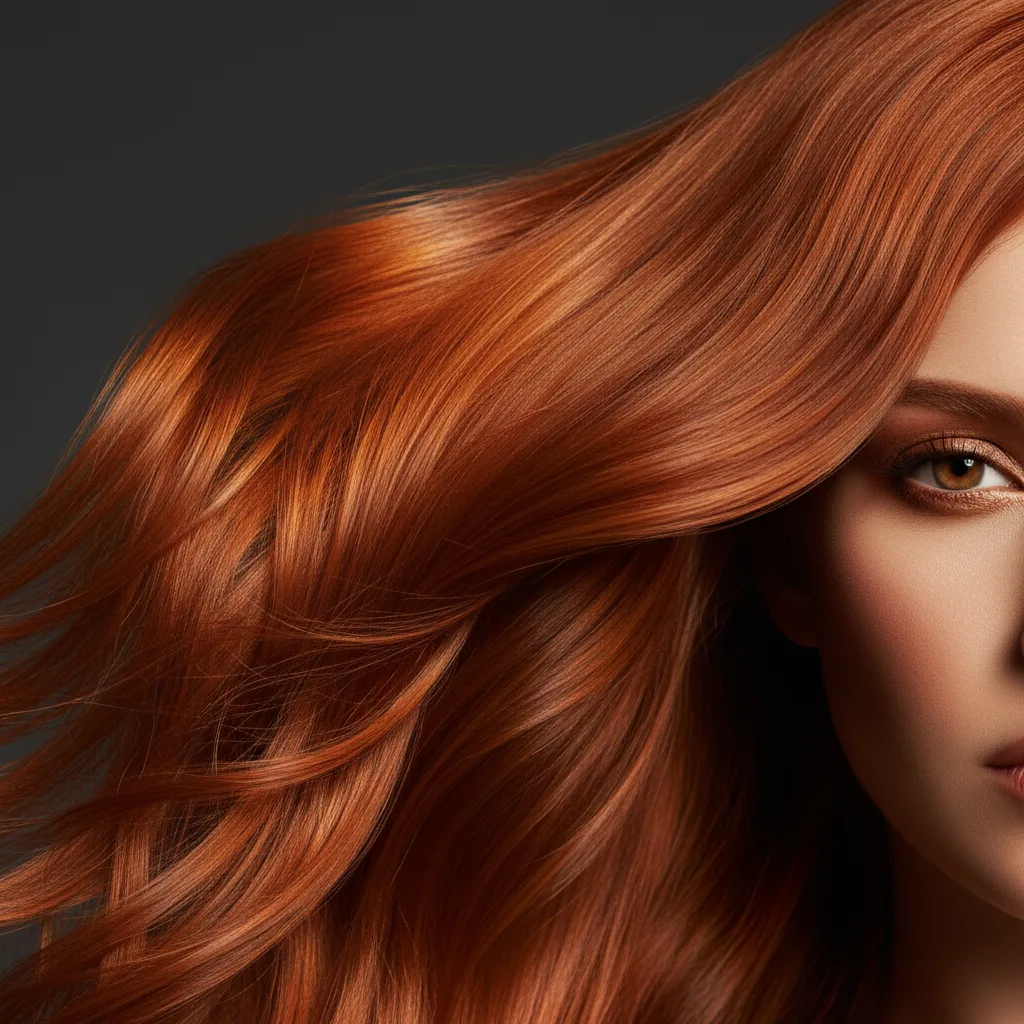
Always carrying red, copper, or golden undertones: warm dark blonde, auburn, chestnut, copper, or deep warm brunette. Ashy or cool tones are naturally absent.
The Metal Test
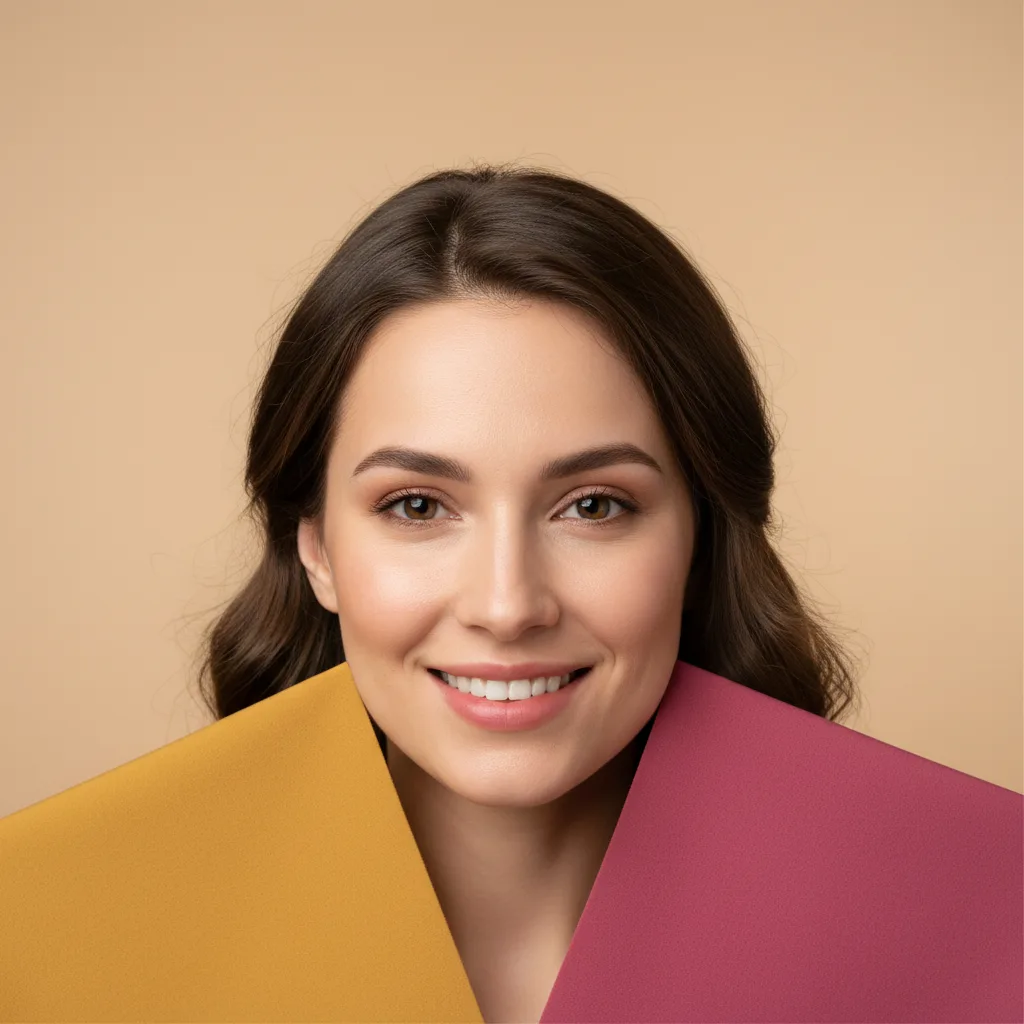
Hold yellow gold and silver against your face. Near yellow gold, bronze, and brass, Autumn skin looks glowing and healthy; next to silver, it appears dull and washed out. If polished gold feels slightly too shiny, try brushed or antique finishes—textured, matte metals flatter Autumn best.
Find your color type with our photo test →
The Four Autumn Subtypes
What distinguishes each subtype is which secondary characteristic dominates alongside warmth: softness, depth, or pure warmth.
- Soft Autumn — mutedness comes first, followed by warmth. The most delicate subtype, sitting right on the border with Summer.
- Warm Autumn — warmth is the primary trait, with soft undertones. Medium depth with the richest array of earthy hues.
- Deep Autumn — depth comes first, warmth second. High contrast, rich dark tones, sitting on the border with Winter.
- True Autumn — pure warmth meets balanced depth. The absolute heart of the family: rust, mustard, and rich forest green in their fullest expression.
| Characteristic | Soft | Warm | Deep | True |
|---|---|---|---|---|
| Primary Trait | Muted (Soft) | Warm | Deep (Dark) | Warm |
| Depth | Medium | Medium | Deep | Medium |
| Chroma | Most Muted | Medium | Medium | Medium |
| Contrast | Low | Medium | High | Medium |
| Test Drape | Muted Moss | Mustard | Burgundy | Rust |
| Neighboring Season | Soft Summer | Warm Spring | Deep Winter | True Spring |
How to Tell Which Autumn Subtype You Are
Soft Autumn vs. Warm Autumn
The Drape Test: Muted moss vs. vibrant mustard. If rich mustard overpowers your face and brings out redness, while soft moss smooths your skin, you are a Soft Autumn. If moss looks dull and drab while mustard brings your features into focus, you are a Warm Autumn.
Warm Autumn vs. True Autumn
Both share medium depth and warm undertones, but differ in emphasis. The Drape Test: Mustard vs. rich rust. Warm Autumn thrives in golden, honeyed hues, while True Autumn looks best in shades that are slightly deeper with redder, richer undertones.
True Autumn vs. Deep Autumn
The Drape Test: Rust vs. burgundy. If deep, intense shades like dark burgundy, espresso, and pine green brighten your features, you are a Deep Autumn. If those heavy tones weigh you down and medium-depth colors work better, you are a True Autumn.
Autumn vs. Neighboring Seasons
Autumn vs. Spring: The Clarity Question
Both seasons are warm, making the metal test unhelpful. Focus on clarity instead. The Drape Test: Rust vs. warm coral. If earthy rust warms and adds depth to your face, you are an Autumn; if crisp coral makes you glow while rust looks heavy and aging, you are a Spring.
Autumn vs. Summer: The Temperature Question
This distinction mainly concerns Soft Autumn vs. Soft Summer. The Drape Test: Khaki green vs. soft mauve. If khaki brings a healthy glow while mauve looks lifeless and grey, you are an Autumn; if khaki gives your skin a sallow cast, you belong in Summer.
Autumn vs. Winter: The Warmth Question
This comes down to Deep Autumn vs. Deep Winter, which share both depth and contrast. The Drape Test: Chocolate brown vs. jet black. If pure black looks sharp and striking, you are a Winter; if black washes you out and warm dark chocolate brings you to life, you are an Autumn.
The Shared Autumn Color Palette
Colors That Work Across the Entire Autumn Family
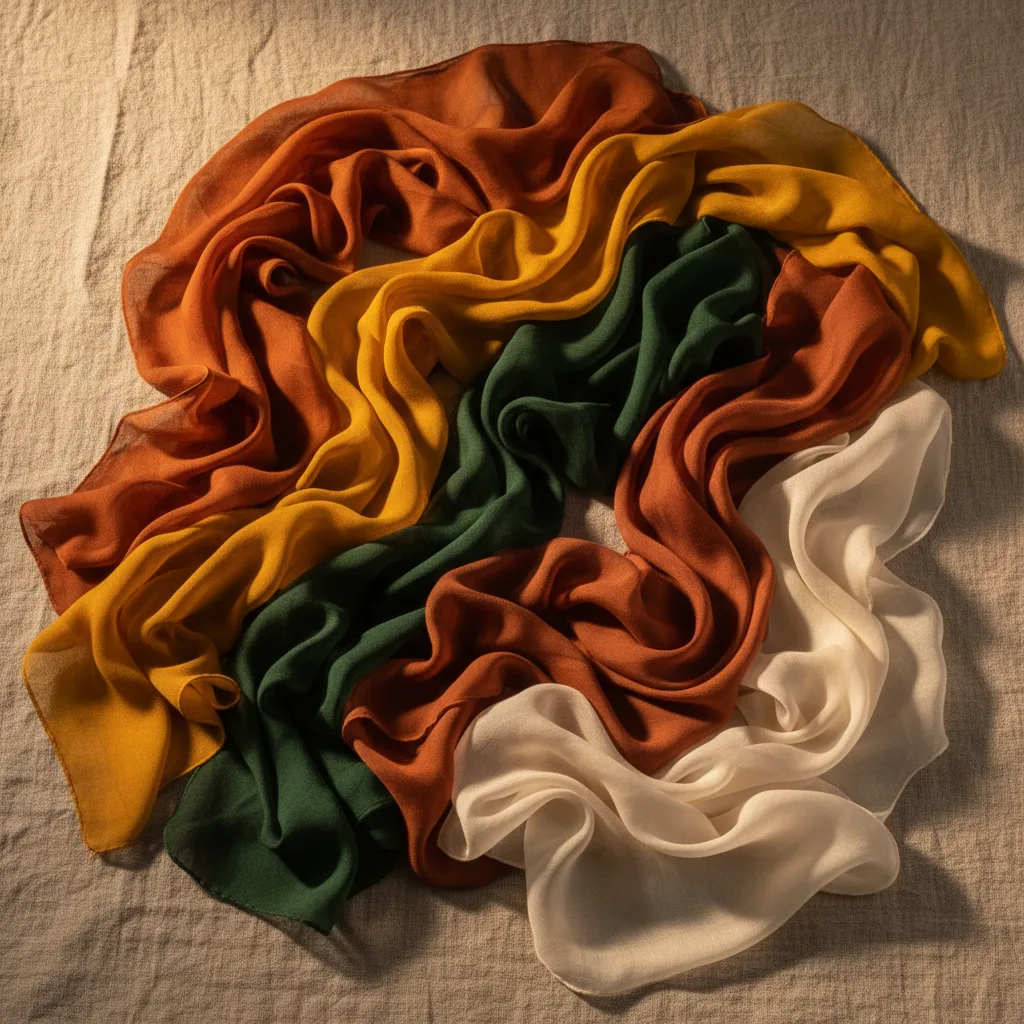
- Rust and terracotta — classic Autumn staples, varying in saturation across subtypes.
- Mustard and golden olive — signature warm shades few other seasons can pull off.
- Forest green and moss — rich greens with a yellow undertone.
- Warm brown, camel, and chocolate — ideal neutral alternatives to black and cool grey.
- Cream and ivory — the flattering alternative to optic white.
- Warm turquoise and teal — the go-to cool-toned accent with golden undertones.
Colors That Work Against the Autumn Family
- Cool pastels — baby pink, mint green, and icy blue wash out the complexion.
- Pure jet black near the face — only Deep Autumn can manage it, and even then, warm accents help.
- Optic stark white — looks harsh; your whites should always have a warm, creamy base.
- Fuchsia, electric blue, and icy tones — too cool and jarring against warm skin.
- Cool silver jewelry — makes the skin look sallow or dull; choose gold, bronze, or brass instead.
Makeup, Hair, and Jewelry
- Foundation: Warm, golden-beige or warm olive matching your natural depth.
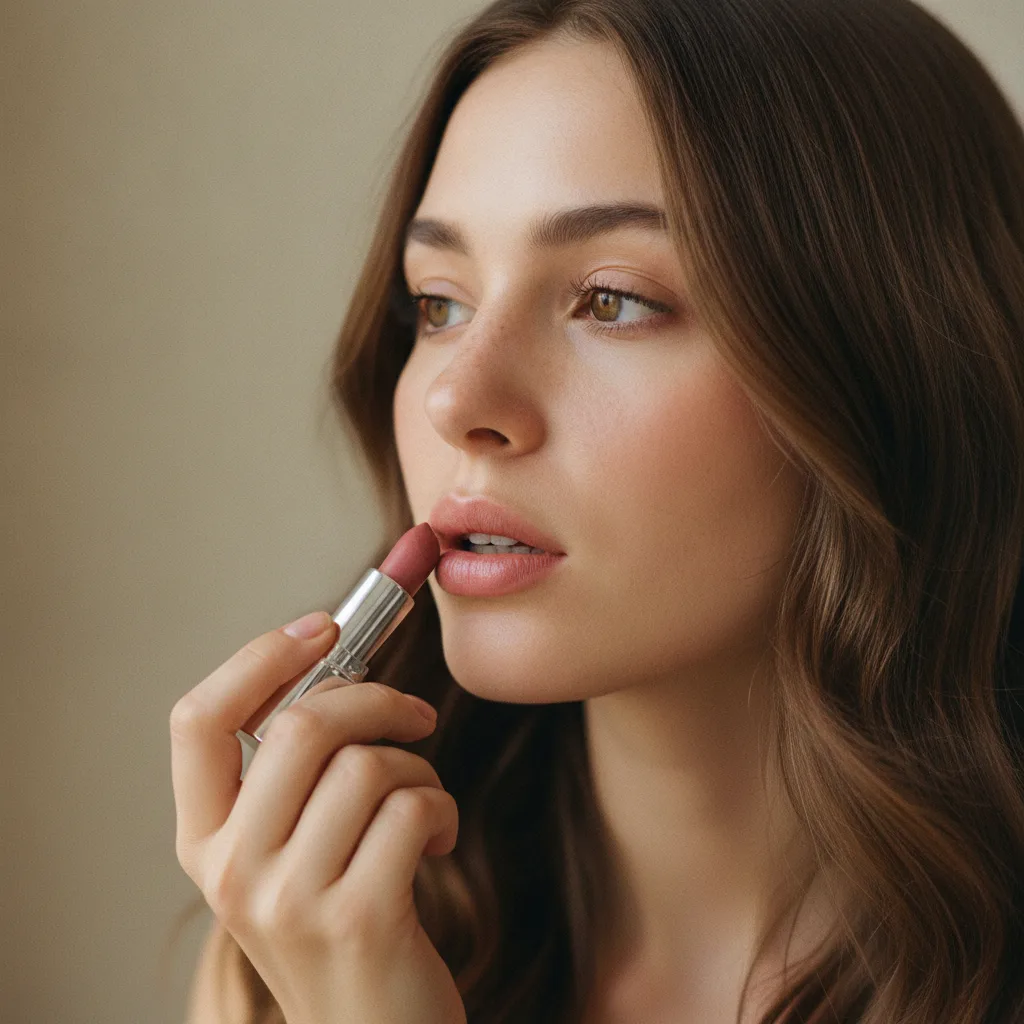
- Lips: Terracotta, brick red, warm nude, and rich berry for Deep Autumn. Steer clear of cool berry, mauve, and blue-toned pinks.
- Blush: Peach, warm apricot, and soft terracotta.
- Eyes: Bronze, copper, warm espresso, and olive shadows; replace black eyeliner with deep chocolate brown.
- Hair: Copper, rich caramel, auburn, chestnut, and warm dark brown. Ashy blondes and platinum clash directly with warm undertones.
- Metals: Yellow gold, bronze, brass, and copper—preferably brushed or antique. Gemstones: amber, tiger's eye, topaz, and malachite.
Building an Autumn Wardrobe: Where to Start
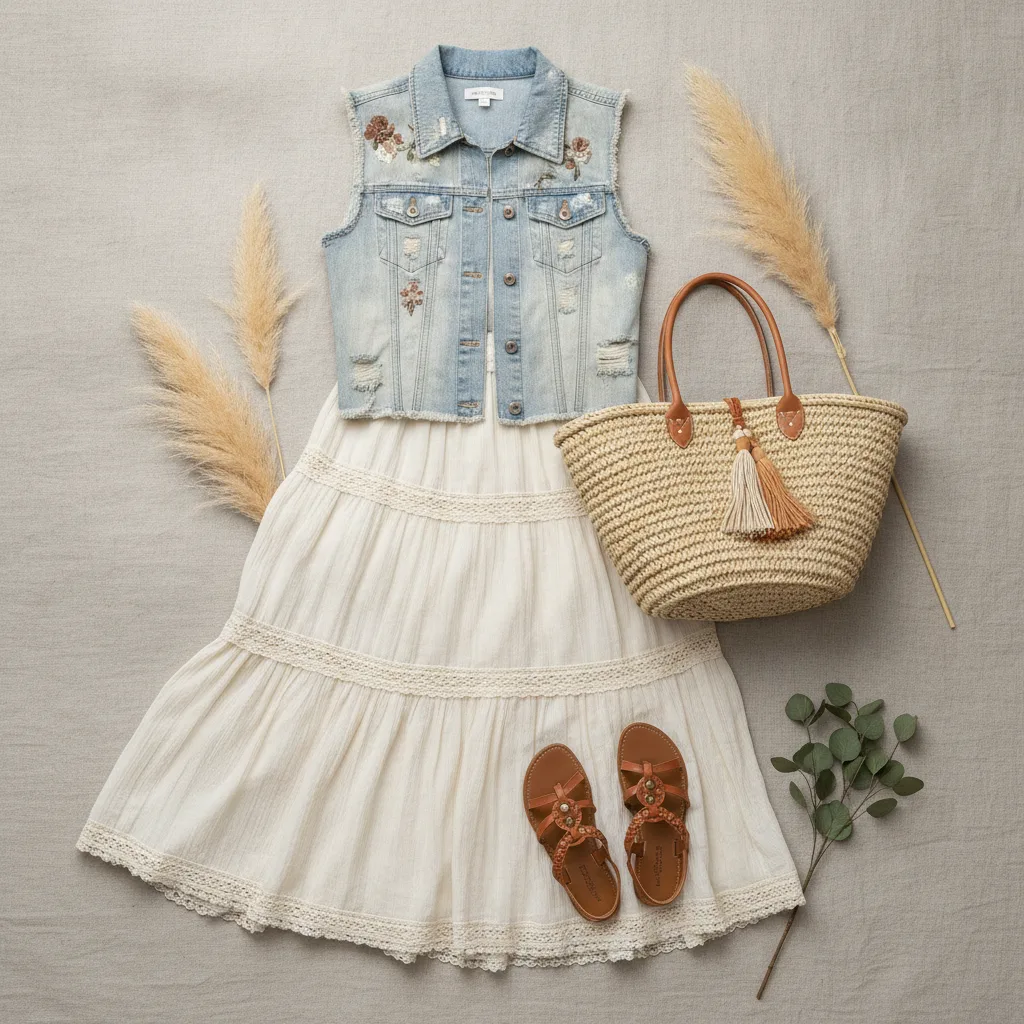
- Base neutrals — warm brown, camel, khaki, and deep olive.
- Two to three statement tops in rust, mustard, and forest green for instant impact near your face.
- Replace pure black with dark chocolate or olive, and stark white with rich cream.
- Embrace rich, matte textures: tweed, suede, corduroy, heavy linen, and wool. Autumn coloring handles textural weight better than any other season.
- Look for natural prints: houndstooth, warm plaid, leopard print, and botanical patterns in warm palettes.
Frequently Asked Questions
Can Autumns wear black?
Near the face, only Deep Autumn carries black well, ideally styled with a warm accent. For the other subtypes, black can look harsh and draining. The best universal replacements are rich espresso, deep olive, and warm navy.
Do you have to have red hair to be an Autumn?
Not at all. While copper and auburn are classic Autumn tones, many Autumns have golden blonde, warm chestnut, or near-black hair. What matters is the warm undertone, not whether the hair is overtly red.
How do you tell Autumn and Spring apart if both are warm?
Look at clarity and chroma. Autumn requires rich, muted, and earthy tones, while Spring shines in clear, bright, and radiant colors. Drape rust against bright coral: whichever shade makes your skin look clearer and healthier indicates your season.
If silver looks good on me, does that rule out Autumn?
You may sit on a border season like Soft Autumn (bordering Soft Summer) or Deep Autumn (bordering Deep Winter), giving you a neutral-warm undertone. Test further with khaki green against muted mauve: if khaki flatters you more, you are an Autumn.
What if I am torn between two Autumn subtypes?
Focus on the overlapping shades in both palettes—these colors will always flatter you. Keep ambiguous or borderline shades away from your face, or take our photo color analysis to pinpoint your precise seasonal subtype.
Try the colours on yourself
Every tool runs on a single photo and follows your palette.