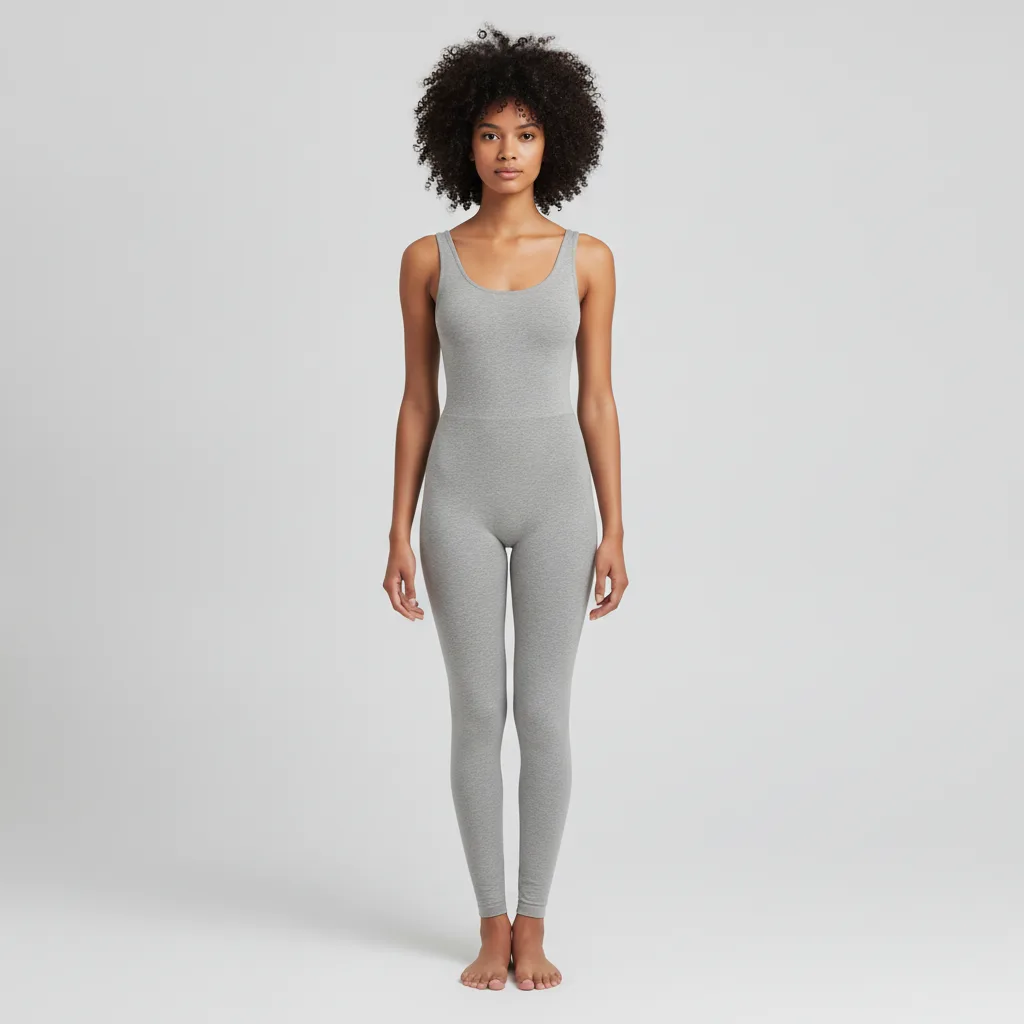
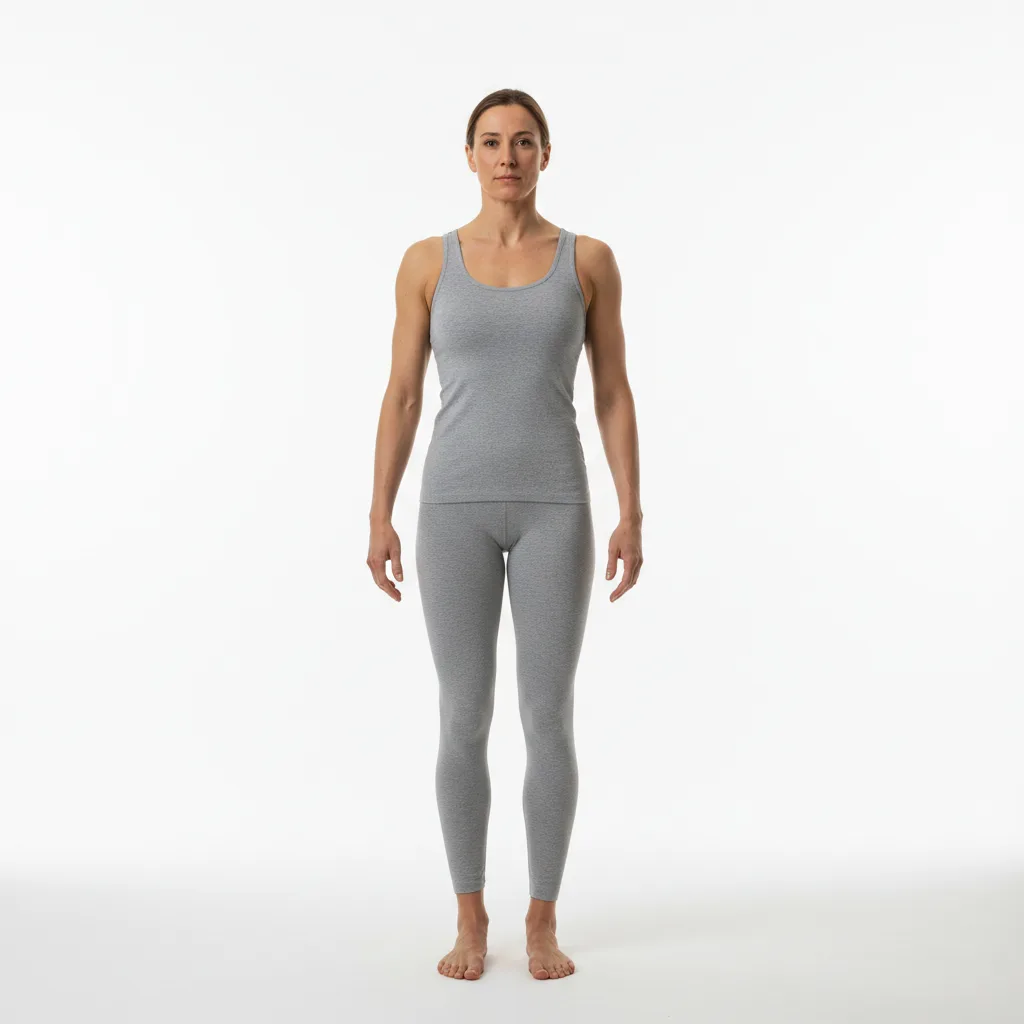
Body shape · volume through the middle
Apple Body Shape: The Complete Style & Dressing Guide
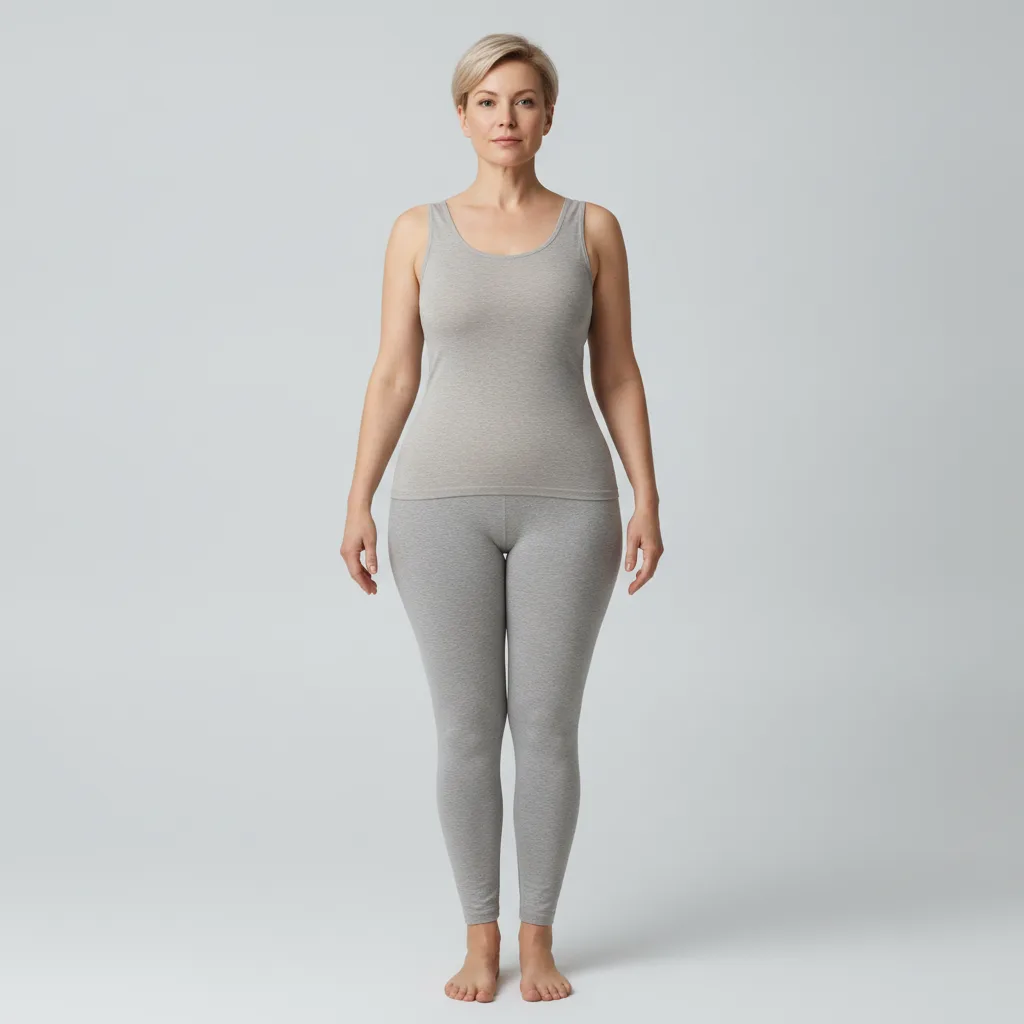
An apple body shape carries volume primarily through the midsection with an undefined waist, balanced shoulders, and slender legs. While often steered toward baggy, oversized silhouettes, the most flattering look comes from clean vertical lines, open necklines, and highlighting your legs.
How to Tell if You Have an Apple Body Shape
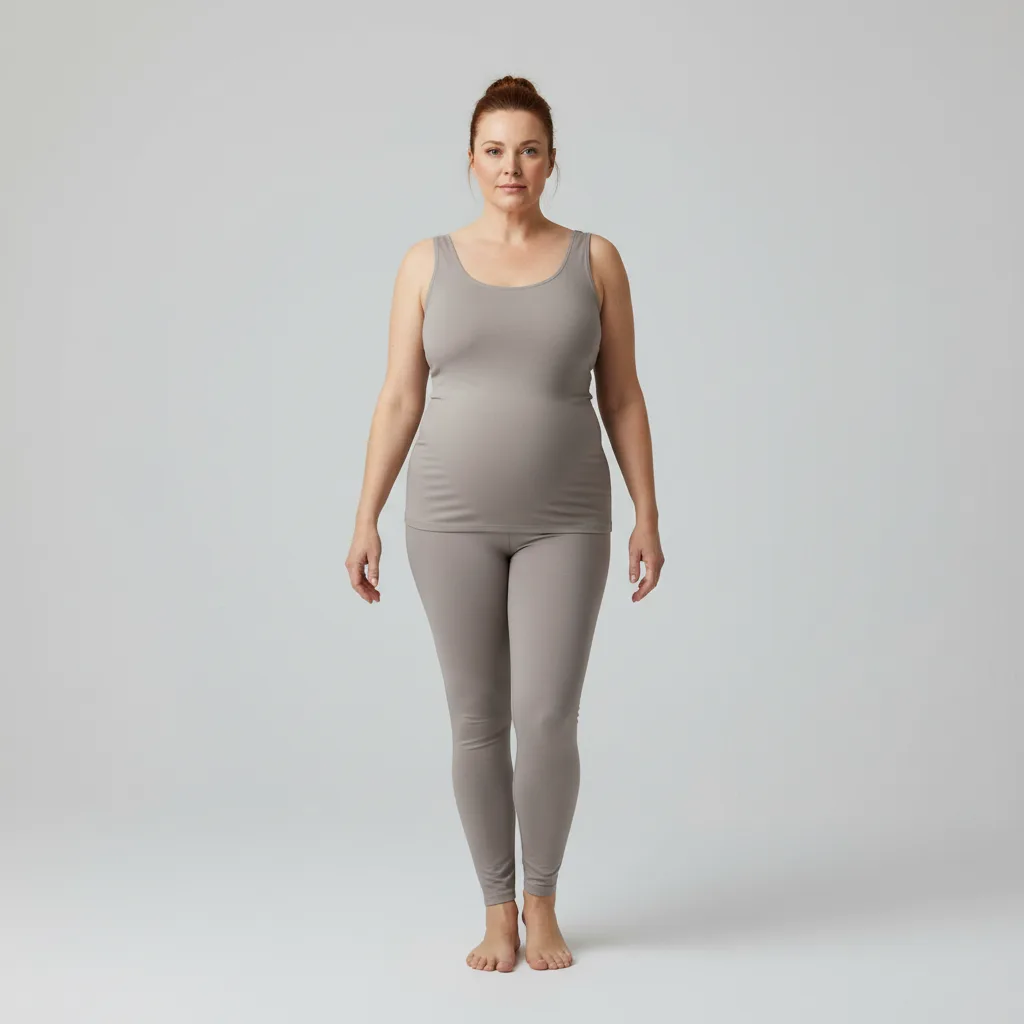
The apple shape (also referred to as round or oval) is the only body type defined by its midsection rather than its outer perimeter: the waist measurement is equal to or larger than the hips, and the hips are no wider than the shoulders. Volume centers in the torso, while arms and legs typically remain lean and shapely.
It is one of the most misunderstood body types, often subjected to unhelpful advice like "wear a shapeless tunic." Oversized, tent-like clothing is precisely what makes an apple silhouette appear wider than it is.
The Waist
Measure across the widest point of your midsection rather than searching for a natural indentation, as they frequently align in an apple frame. If your waist measures within 5% of your hips or exceeds them, and the side contour drops straight from the bust without curving inward, you have an apple silhouette.
Hips and Shoulders
The hips are narrow to average, the seat is relatively flat, and the legs are lean from the knee down. Shoulders match the hips in width or run slightly broader. This distinctive combination—a fuller midsection paired with slender limbs—sets the apple apart from all other shapes.
The Definitive Test
Stand sideways in front of a mirror. On an apple shape, the most prominent point of the profile is the stomach or upper abdomen, rather than the buttocks or bust. A practical daily indicator: jeans fit your legs comfortably but struggle to fasten at the waist, and dresses often require a size up solely to accommodate the midriff.
Proportions
Each bar is measured against the widest point of the silhouette: these are typical proportions for the shape, not your measurements.
| Measurement | What to Check | Apple Shape |
|---|---|---|
| Waist vs. Hips | Width difference | Equal or waist is wider |
| Hips vs. Shoulders | Width difference | Hips are not wider |
| Side Profile | Most prominent point | Abdomen |
| Legs | Proportion to torso | Slimmer than torso |
Find your body shape from a photo →
What Works for This Silhouette
The foundational rule for styling an apple shape is simple: build the silhouette with vertical lines rather than waist-cinching belts. Any design feature that draws an unbroken line down the center of your body elongates your frame and pulls focus away from the midsection. Any detail that horizontally cuts across your widest point works against you.
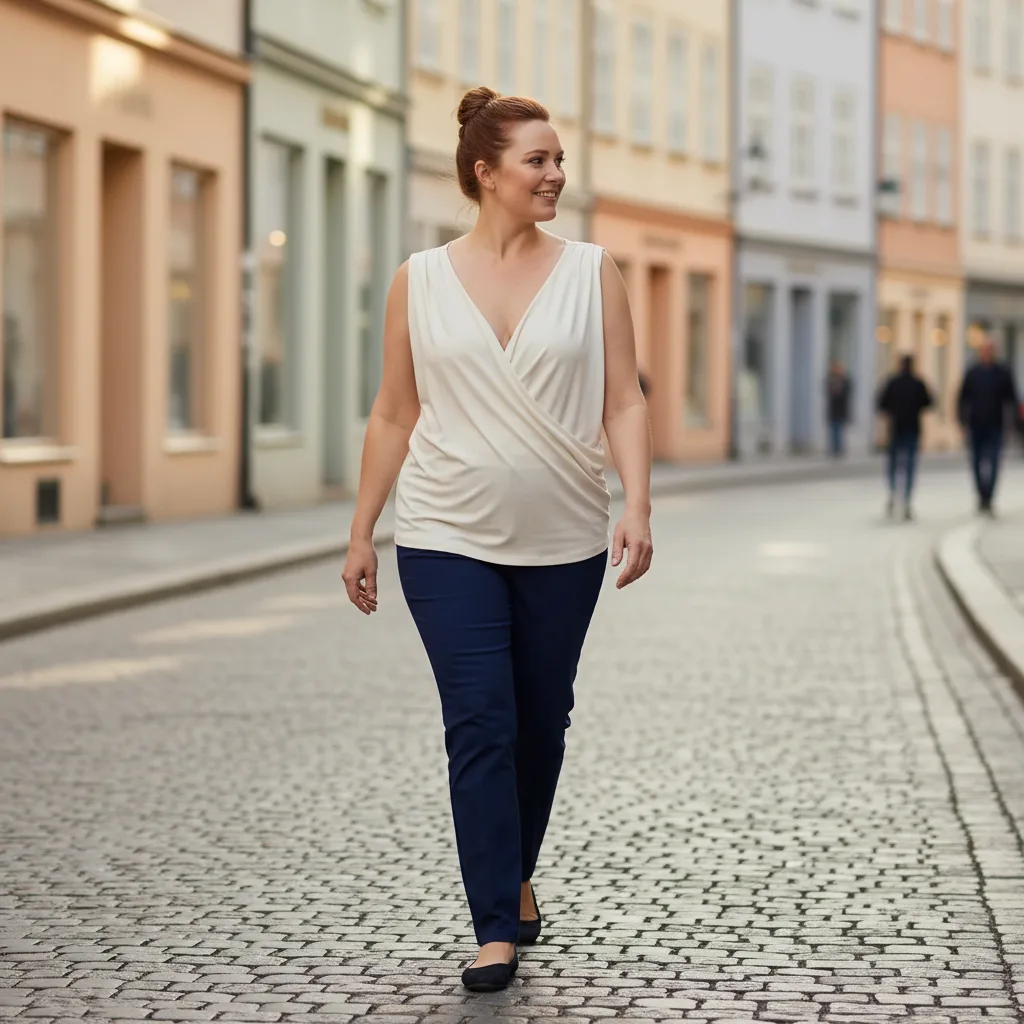
Your second most effective styling strategy is drawing attention to your legs. Slender legs are the standout feature of an apple silhouette—showcase them with knee-length hemlines, slim-cut pants, and footwear that matches your skin tone or hemline. This technique delivers far more impact than trying to compress your midsection.
What to Avoid
Horizontal bands across the waistline and clingy, skin-tight fabrics over the midriff disrupt the silhouette.
Shapeless sacks deserve a special warning: loose clothing devoid of tailoring does not conceal volume; it exaggerates it. The difference between an effortless drape and a boxy sack comes down to structure. Ensure your shoulders have a sharp, defined fit, allowing the fabric to drop freely without billowing outward.
Apple vs. Similar Body Shapes
Apple vs. Rectangle: The Midsection
A rectangle body shape shares similar shoulder, waist, and hip widths, but the waist is never wider than the hips, and the abdomen does not protrude forward. Rectangles look best when creating the illusion of a waist with belts; apples look best elongating through vertical layers. Take a measuring tape: if your waist measurement exceeds your hips, you have an apple shape.
Apple vs. Inverted Triangle: The Shoulders
A prominent bust and broad shoulders paired with narrow hips define the inverted triangle, which benefits from added volume at the lower half. An apple shape does not need volume at the bottom: adding wide A-line skirts directly from the hip merely widens the entire frame alongside a fuller midsection.
| Feature | Apple | Rectangle | Inverted Triangle |
|---|---|---|---|
| Waist vs. Hips | Equal or wider | Slightly narrower | Narrower |
| Primary Strategy | Vertical lines | Create a waist | Volume on bottom |
| Waist Belt | Doesn't work | Works | Works |
| Focal Point | Legs and neckline | Waist | Legs and hips |
Building an Apple Wardrobe
Tops
Choose fabrics that fall straight from the shoulder line without clinging to the stomach: untucked button-downs, subtle trapeze tops, tunics, and fluid blouses with structured shoulder seams. Opt for deep V-necks or elongated scoop necklines to create an unbroken vertical opening down the center. Keep hemlines below the hip crest to maintain a continuous line.
Bottoms
Straight-leg or gently tapered trousers, knee-length pencil skirts, and dark-wash denim with a comfortable high rise work best. A high rise is flattering only with a flexible waistband; rigid bands dig in and create unwanted bulges. Look for pants with flat fronts and discreet elastic inserts in the back.
Dresses
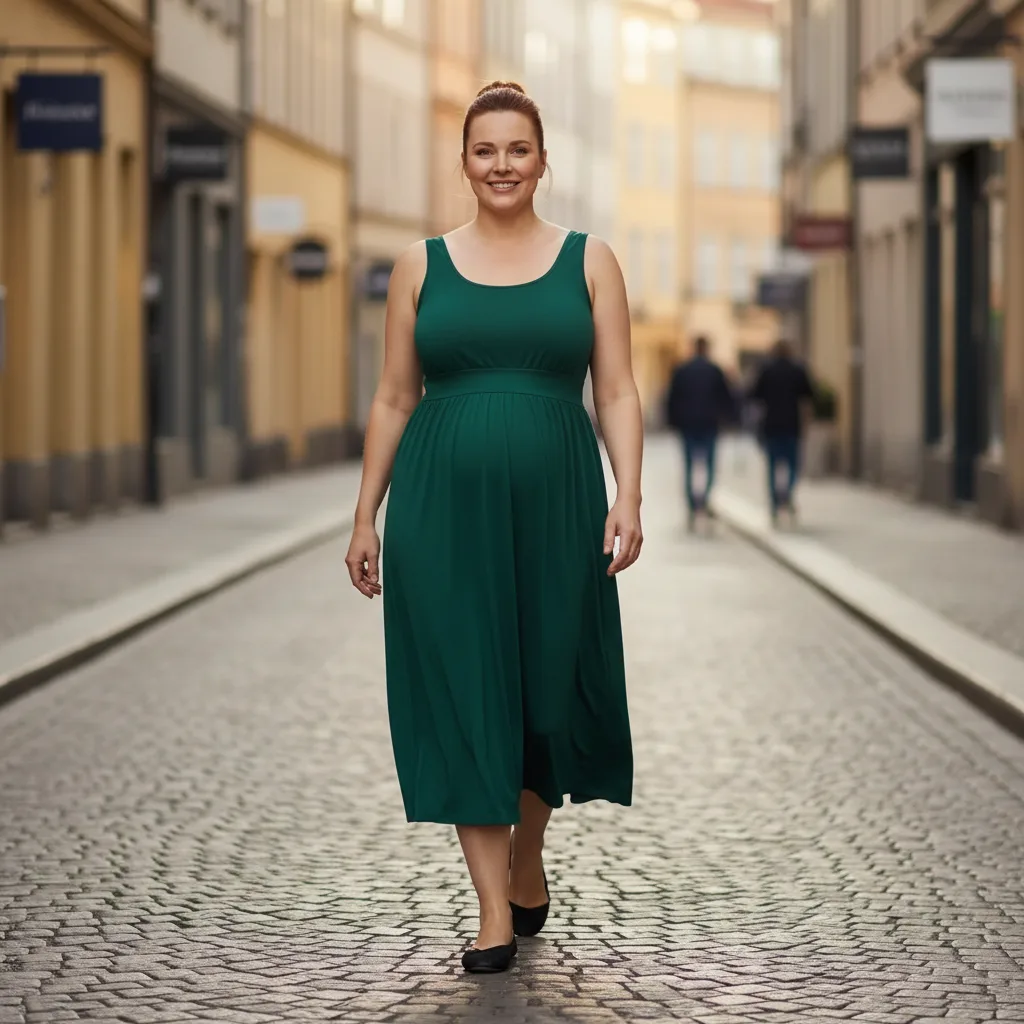
Empire cuts, shift dresses, and unbuttoned shirt dresses are core essentials. Any seam detail should sit directly below the bust or be omitted entirely—never placed across the natural waistline.
Layering
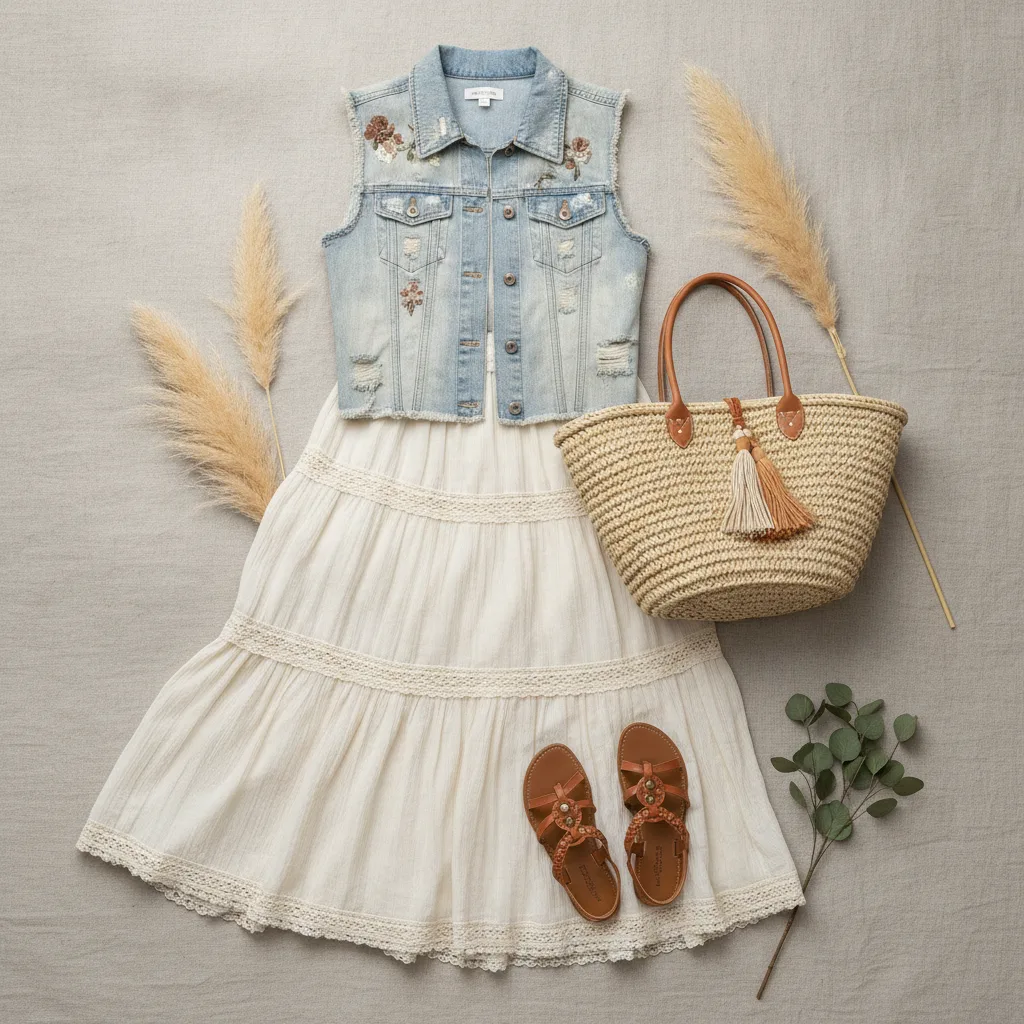
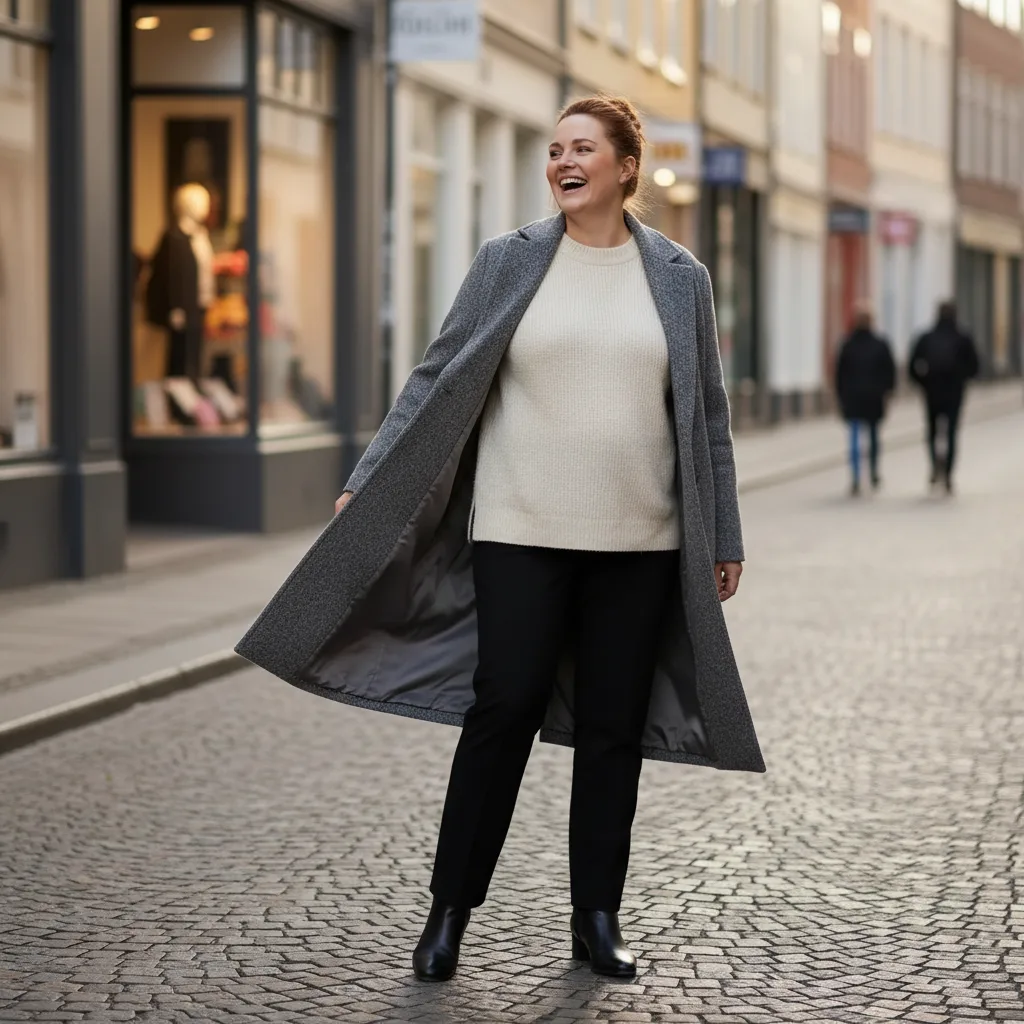
Long vests, open knee-length duster cardigans, and unbuttoned tailored blazers are your most versatile styling pieces. The two vertical fabric edges running down your front instantly narrow the appearance of the midsection.
Outerwear
Opt for straight-cut, single-breasted coats with crisp shoulder lines. Double-breasted closures and bulky quilted textures add unwanted bulk directly over the torso. If your coat features a tie belt, loosely tie it behind your back or remove it altogether.
Fabrics and Fit
Look for medium-weight fabrics with natural drape that skim rather than cling: viscose, modal, fine wool, crepe de chine, heavy silk, and lyocell. These textiles establish a smooth, unbroken vertical drop from shoulder to hem.
- Best choices: Viscose, modal, crepe de chine, lightweight wool, and structured knits with a smooth, matte finish.
- Use with caution: Thin clingy jersey, high-shine metallics, heavy horizontal quilting, and stiff, rigid cotton poplin.
Common Style Mistakes
The first mistake is sizing up out of habit. A garment that is two sizes too large collapses away from the shoulder and billows outward, making your frame look wider. Always fit your true size across the shoulders and let the cut provide room through the body.
The second mistake is avoiding open necklines. High, closed-off crew necks and turtlenecks visually shorten the neck and create a solid block across your upper half. An open collar or deep neckline is the easiest way to lengthen your torso.
The third mistake is hiding your legs. Combining a maxi skirt with an oversized top creates a solid wall of fabric without definition. Showing your legs around the knee balances the proportions of your outfit far more effectively than any shaping garment.
Frequently Asked Questions
Can I ever wear belts?
Avoid tight belts across your natural waist. However, an empire belt positioned directly under the bust over a fluid dress, or a loose belt slung low on the hips, creates an attractive line without pinching your midsection.
What should I do if shirts gape at the buttons?
Size your shirts to fit your bust and stomach comfortably rather than your shoulders, or wear them unbuttoned as a layering piece over a camisole. A button-down pulling across the stomach breaks your clean vertical line.
Which accessories are most flattering?
Focus on accessories worn above the bustline: statement earrings, long pendant necklaces, scarves, and distinctive eyewear. A long pendant necklace is particularly effective at reinforcing the central vertical line.
Can I wear bodycon dresses?
Yes, provided the garment is crafted from a dense, structured fabric like heavy ponte di Roma or double-knit jersey. Thin synthetic knits emphasize every contour, whereas dense textiles smooth and streamline the silhouette.
Does shapewear make a difference?
Shapewear can smooth out lines under fitted garments, but it does not change your bone structure or overall proportions. If it feels comfortable, use it occasionally, but build your daily wardrobe around great tailoring rather than compression garments.
Can I change an apple shape through workouts?
Body type reflects your underlying bone structure and natural fat distribution patterns. While training builds muscle tone and supports overall health, an apple shape will typically maintain its core proportions. Dressing well is about honoring your natural shape with the right cuts.
Try it on yourself
Every tool works from a single photo.