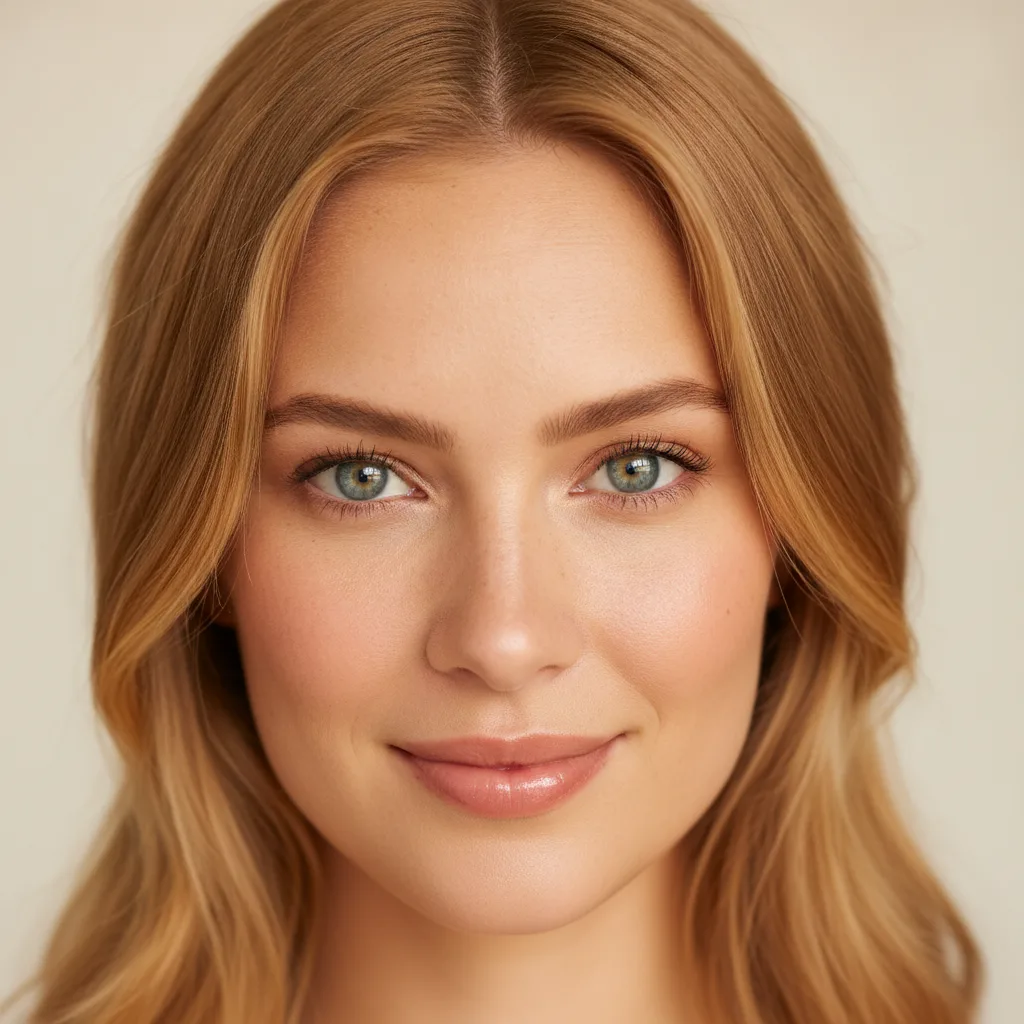
Colour family · 4 subtypes
Summer Color Season: Palettes and the 4 Subtypes
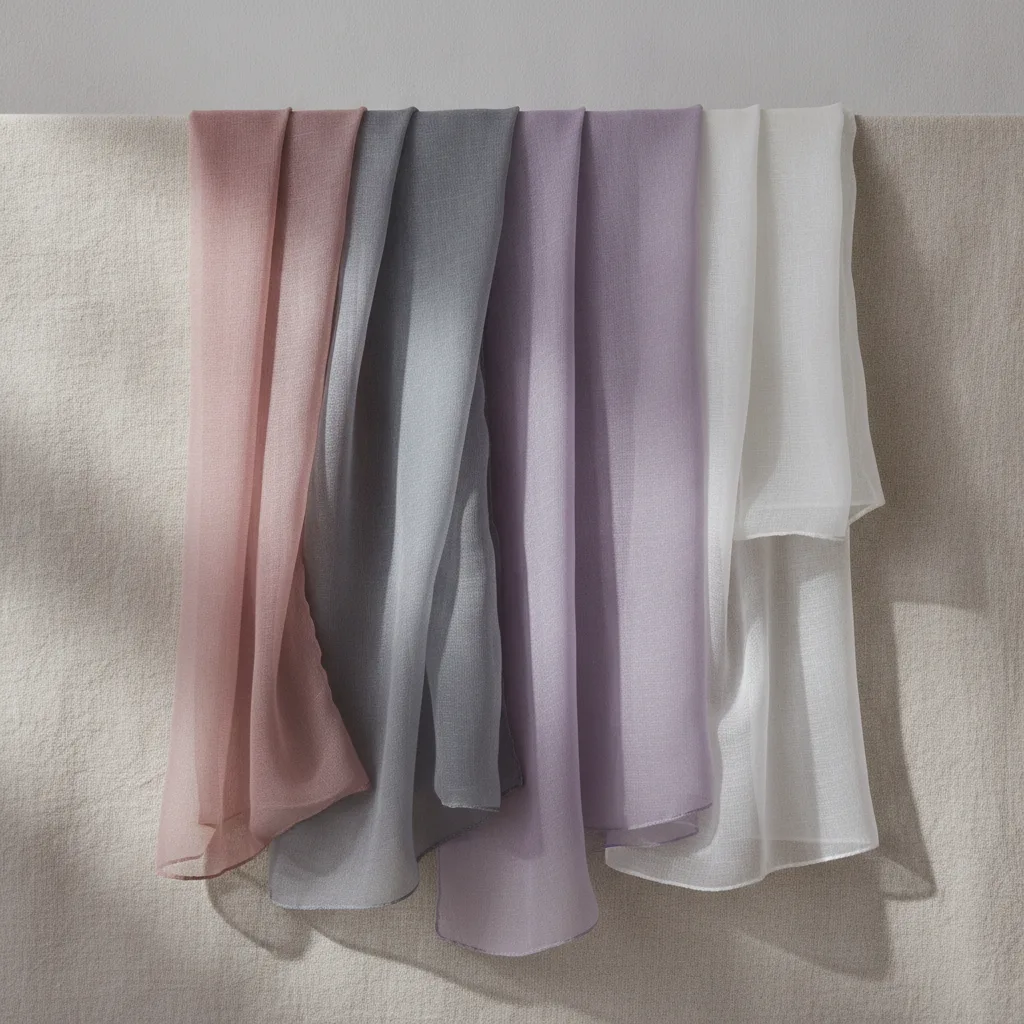
Summer is a cool seasonal family characterized by a soft, delicate, and muted color palette. Defined by cool undertones and ashy hair dimensions, its most flattering shades include dusty rose, slate blue, lavender, and soft plum.

What All Summer Subtypes Share
Summer is all about cool undertones and soft saturation. Features appear through a gentle, diffused lens: the skin has a distinctly cool undertone, hair features ashy reflections, and facial contours blend seamlessly without stark contrast. Because there are no sharp, graphic edges, overly vibrant and saturated hues look jarring on a Summer—they overpower natural coloring and wash out the face.
While Summer subtypes vary in lightness and depth of muting, they all share three key characteristics. Evaluate these in natural daylight without makeup.
Skin
Cool-toned: rosy beige, porcelain with subtle blue undertones, neutral beige without golden warmth, or softly muted. Blushing leans pink or soft berry. Tanning is usually slow and leans reddish-pink rather than golden bronze.
Eyes
Soft and softly blended: slate blue, grey-green, cool hazel, or soft grey-brown. The outer edge of the iris (limbal ring) is typically soft and diffused—a signature Summer trait.
Hair
Consistently cool-toned across the spectrum: ash blonde, mouse brown, cool medium brown, or ash brown. In the sun, highlights fade to cool sand or ash rather than yellow or copper.
The Metal Test
Hold polished silver and yellow gold next to your face. For a Summer, silver immediately evens out the complexion and calms redness, while yellow gold can make the skin look sallow or tired. If silver flatters you best, but high-shine finishes feel a bit harsh, brushed or matte silver is your ideal match.
Find your seasonal color analysis with a photo →
The Four Summer Subtypes
What distinguishes each subtype is its primary color dimension after coolness: overall lightness, coolness intensity, or degree of muting.
- Light Summer — Lightness comes first, coolness second. The most delicate subtype, characterized by cool pastels and low contrast.
- Cool Summer — Coolness is the dominant trait, followed by lightness. Medium depth with noticeably crisper, more saturated cool tones than neighboring types.
- Soft Summer — Muting is dominant, coolness is secondary. The most subtle subtype of all sixteen, sitting right on the border with Autumn.
- True Summer — Perfectly balanced coolness and softness. The core of the family: dusty rose, slate blue, and muted berry.
| Feature | Light | Cool | Soft | True |
|---|---|---|---|---|
| Dominant Trait | Lightness | Coolness | Softness / Muted | Coolness |
| Depth | Light | Medium | Medium | Medium |
| Chroma / Saturation | Muted | Medium | Very Muted | Muted |
| Contrast | Low | Medium | Low | Medium |
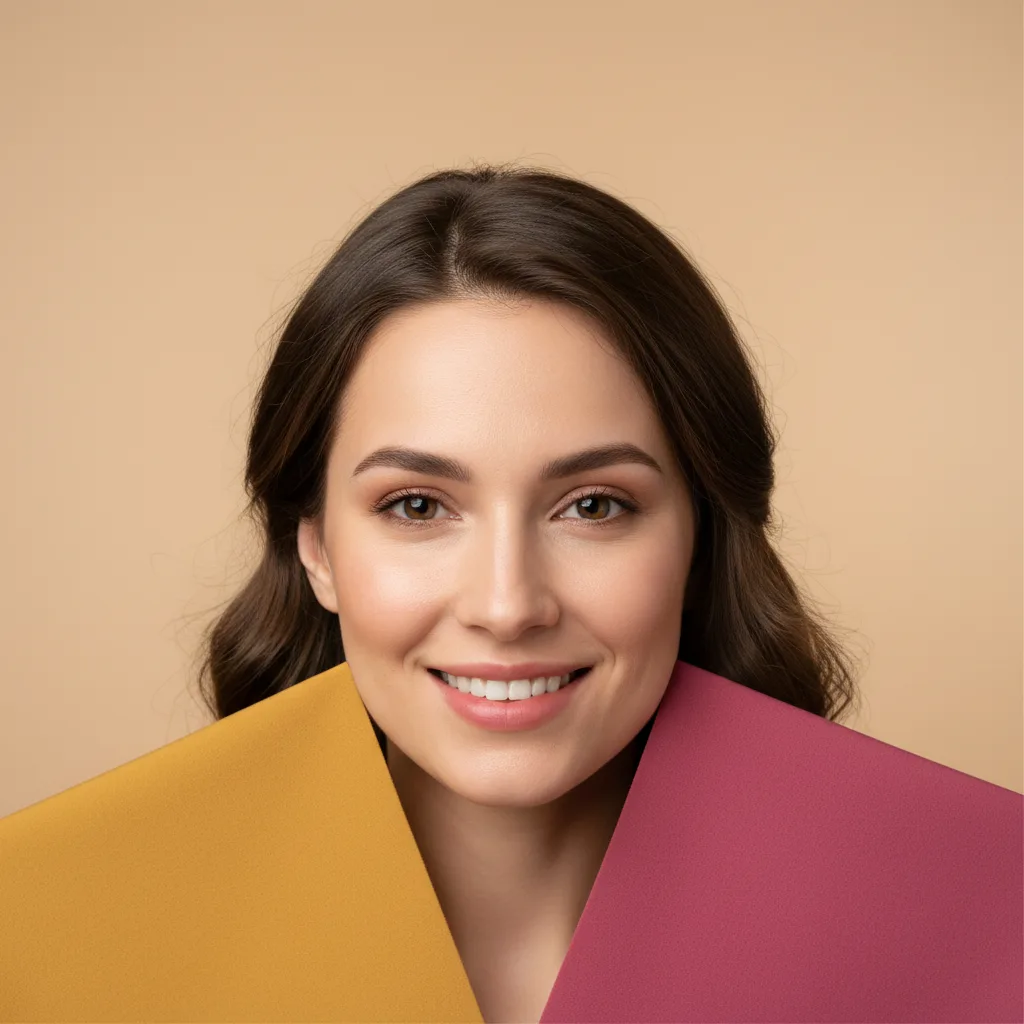
| Drape Test Color | Light Lavender | Raspberry | Dusty Rose | Slate Blue |
| Sister Season | Light Spring | Cool Winter | Soft Autumn | True Winter |
How to Identify Your Summer Subtype
Compare colors side by side and watch your face rather than the fabric: pay attention to under-eye shadows, the nasolabial area, and overall skin clarity.
Light Summer vs. Cool Summer
The Test: Light lavender versus rich raspberry. If rich raspberry wears you and overtakes your face, you are a Light Summer. If pastels look washed out and raspberry brings structure to your features, you are a Cool Summer.
Cool Summer vs. True Summer
The difference lies in color clarity. The Test: Bright raspberry versus muted berry. Cool Summer thrives in clearer, crisper cool shades, while True Summer looks best in that same cool palette softened with a touch of grey smoke.
True Summer vs. Soft Summer
The Test: Slate blue versus dusty rose. Soft Summer needs maximum muting; any vivid clarity can look harsh against the features. If slightly clearer, cooler tones brighten your complexion without overwhelming it, you are a True Summer.
Summer vs. Neighboring Seasons
Summer vs. Winter — A Matter of Chroma
Both families are cool, so jewelry testing won't separate them. Look at color saturation: Winter requires high chroma, clear colors, and striking contrast, whereas Summer needs softened, muted, low-contrast tones. The Test: Pure fuchsia versus dusty rose. If fuchsia creates crisp, sharp definition, you are a Winter; if it overpowers you and turns your features dull by comparison, you are a Summer.
Summer vs. Autumn — A Matter of Temperature
The common point of confusion is Soft Summer versus Soft Autumn, as both share a muted quality. The Test: Soft mauve-grey versus warm khaki. If khaki makes your skin look sallow and accentuates shadows, you are a Summer; if mauve-grey washes you out while khaki adds a healthy glow, you are an Autumn.
Summer vs. Spring — A Matter of Temperature
Light subtypes often get confused. The Test: Dusty rose versus light peach. If peach enlivens your face, you are a Spring; if it adds unwanted yellow tones while dusty rose creates a smooth, clear complexion, you are a Summer. A metal test confirms this: silver versus gold.
Core Palette Characteristics
There is no one-size-fits-all palette for the entire family: Light Summer needs airy pastels, while Cool Summer needs deeper cool saturation. However, the overarching direction remains consistent.
Flattering Colors for Every Summer
- Dusty Rose — The quintessential Summer neutral-accent, customized in depth for each subtype.
- Slate Blue and Denim Blue — The ultimate everyday substitute for black and pure royal blue.
- Lavender and Soft Mauve — Cool, powdery tones that rarely suit any other seasonal family as well.
- Muted Berry and Soft Plum — Sophisticated, elegant evening accents.
- Soft White and Cool Greige — Essential light neutrals instead of stark optic white or warm camel.
- Navy Blue — The cornerstone dark neutral for the Summer palette.
Colors to Avoid
- Orange, Rust, and Mustard — Warm, dense earth tones that cast a tired, yellow-grey reflection on the skin.
- Jet Black near the face — Too harsh and heavy, making features look faded and exhausted.
- Stark Optic White — Creates jarring contrast; opt for soft off-white or misty grey instead.
- High-Chroma Neons — Electric blue, hot fuchsia, and lime green divert all attention away from your face.
- Warm Yellow Gold near the face — Accentuates redness or causes sallowness; replace with silver or white gold.
Makeup, Hair, and Metals
Summer makeup is all about understated elegance: thick textures and high-contrast lines can look mask-like on delicate coloring.
- Foundation: Cool, neutral-to-pink beige. Golden undertones create a mismatched, artificial tan look against the neck and chest.
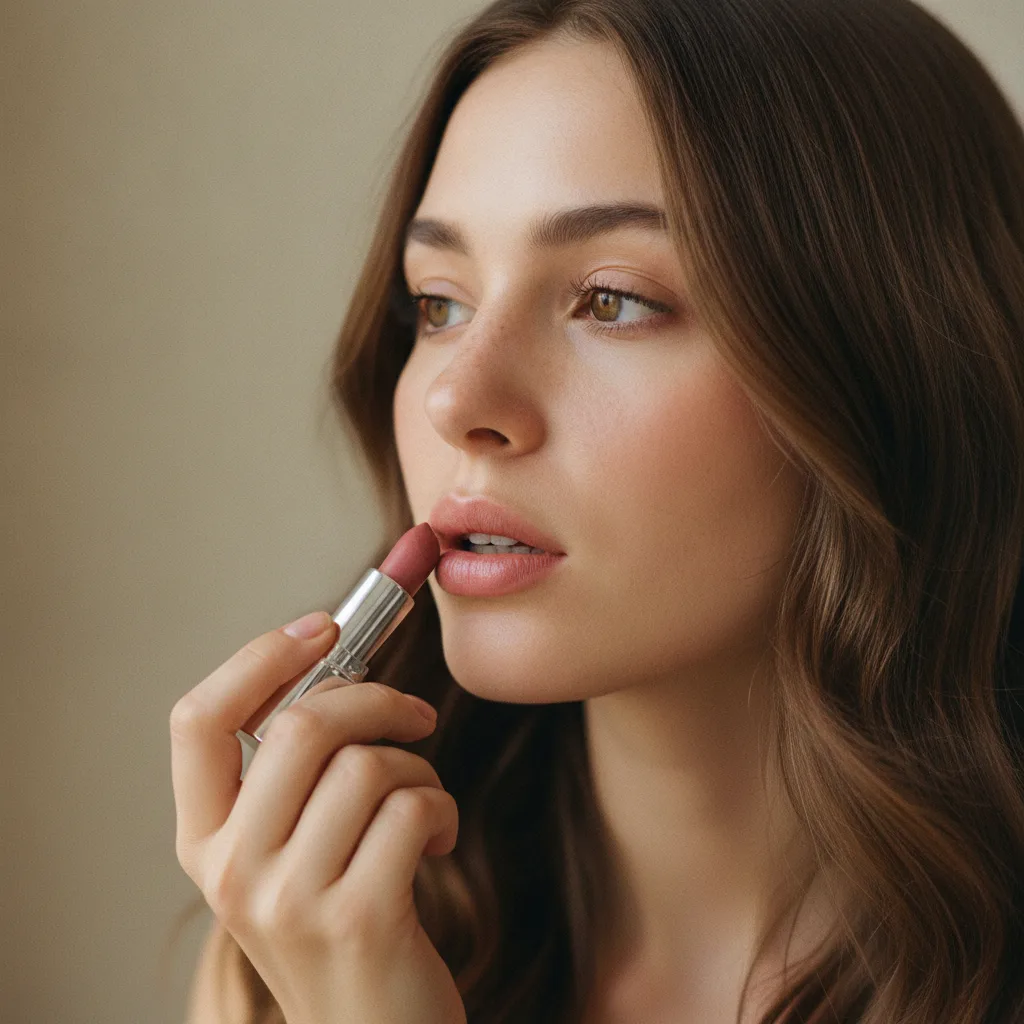
- Lips: Dusty rose, muted berry, soft plum, and cool-toned nudes. Avoid coral, terracotta, and warm brick red.
- Blush: Cool petal pink, soft rose, and subtle sheer plum.
- Eyes: Taupe, slate, cool mauve, and soft grey; jet black eyeliner is often too harsh—opt for slate grey or cool taupe brown instead.
- Hair: Ash brown, cool medium brown, mushroom blonde, and pearl tones. Golden, copper, or caramel dyes clash with natural skin undertones.
- Metals: Sterling silver, white gold, platinum, and brushed or matte finishes. High-shine yellow gold is the most common mismatch for a Summer.
Building Your Capsule Wardrobe
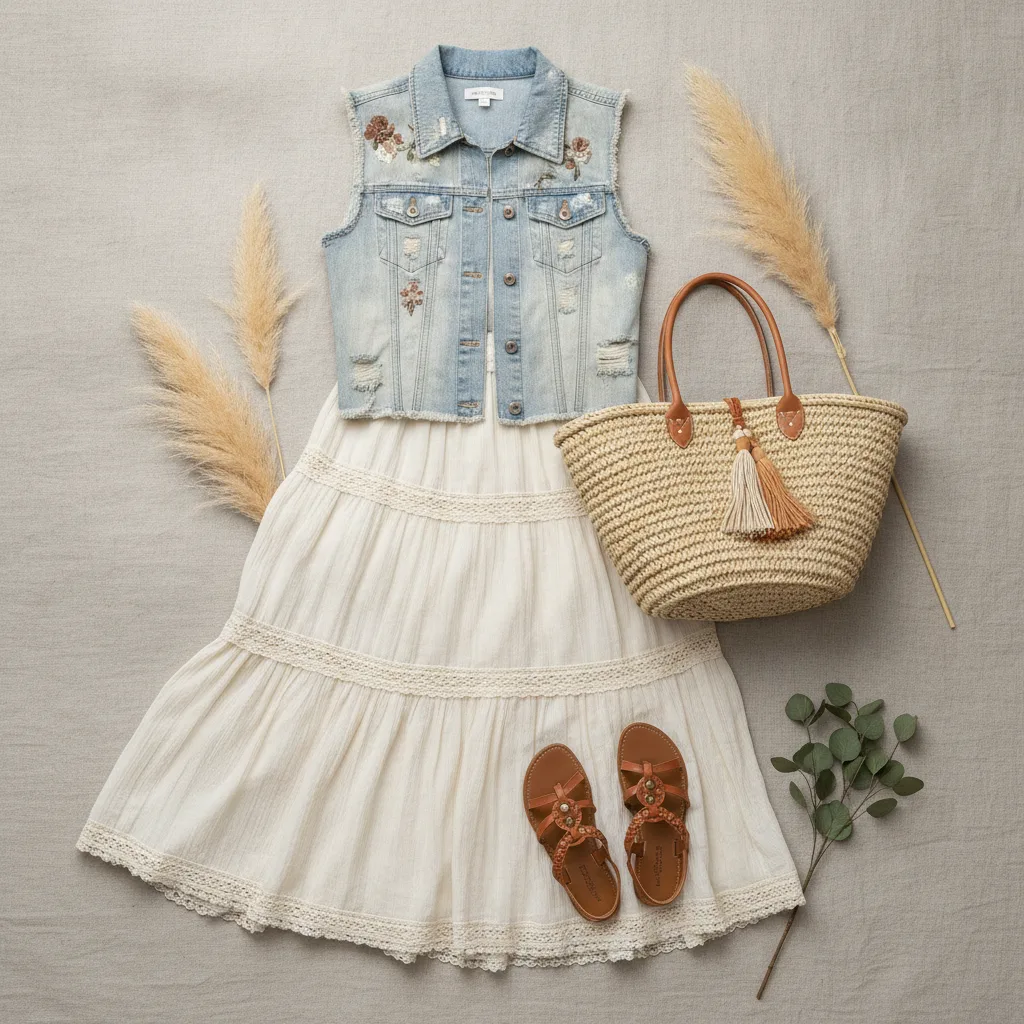
- Anchor your wardrobe with core neutrals: navy blue, slate grey, cool taupe, and soft off-white.
- Choose two to three tops in signature shades like dusty rose, soft lavender, or muted berry to wear closest to your face.
- Reserve stark black for shoes and bags, substituting it with navy, charcoal, or slate near your neckline.
- Select soft, matte fabrics: cashmere, cotton knitwear, linen, and silk with a subtle sheen rather than high gloss.
- Style with tonal, monochromatic palettes: Summer outfits look best with harmonious, blended gradients rather than high-contrast color blocking.
Frequently Asked Questions
Can a Summer wear black?
Near the face, black is generally unflattering for all Summer subtypes because it overwhelms their naturally soft contrast. You can easily wear it below the waist or in accessories. For tops and jackets, substitute black with navy blue, charcoal, or deep slate.
What about wearing white?
Choose soft, gentle whites: unbleached cotton, chalk white, and misty grey-white. Stark optic white creates harsh contrast and draws attention to skin imperfections or redness.
How do I tell Soft Summer from Soft Autumn?
Look at temperature. Drape cool mauve-grey and warm khaki: if khaki brings out yellow shadows, you are a Summer; if mauve makes your skin look dull and grey while khaki adds warmth, you are an Autumn. Both share the same muted softness, so temperature is the deciding factor.
I have dark hair. Can I still be a Summer?
Yes, as long as the undertone is cool. True Summer and Cool Summer individuals frequently have deep ash brown or cool cocoa hair. Look at how your hair catches the light: ash and silver reflections indicate Summer, while golden, reddish, or caramel tones point toward Autumn or Winter.
Why don't all the colors in my subtype palette suit me equally?
A seasonal palette serves as a harmonized guide rather than a rigid rulebook. Some shades sit on the boundary of neighboring seasons. Focus on your core draping colors first; if those work, your seasonal subtype is correct, and you can simply wear tricky border shades away from your neckline.
Try the colours on yourself
Every tool runs on a single photo and follows your palette.